How to Choose an SMS Verification Platform: A Cross-Border Insider's Guide to Avoiding Pitfalls
How to Choose an SMS Verification Platform: A Cross-Border Insider's Guide to Avoiding Pitfalls
If you run an e-commerce operation overseas or manage social media accounts across borders, you've probably hit the same wall: you're registering WhatsApp, Telegram, or TikTok, and the phone number step brings everything to a halt. Buying physical SIM cards gets expensive fast and becomes a logistical headache. That's why SMS verification platforms have become standard toolkit for many teams. But this industry runs deep—prices range from a few cents to several dollars per message, and stories of providers vanishing overnight or numbers getting flagged are all too common. Let's talk about how to choose wisely and which traps to avoid.
Why Your Business Needs an SMS Verification Service
Here's what industry insiders agree on: overseas platforms are cracking down harder than ever on IP addresses and phone numbers during account registration. For studios running multiple account matrices, pairing every account with a physical SIM card would multiply costs several times over. The core value of an SMS verification platform is simple—you get a temporary number that can receive text messages at a fraction of the cost, use it to complete verification, then move on without tying up long-term resources.
From my experience working with dozens of cross-border teams, the demand falls into two main categories:
- Short-term verification: Registering accounts, linking social platforms, receiving OTP codes—disposable use where speed and low cost matter most.
- Long-term account maintenance: Numbers that need to keep receiving SMS over time (password resets, two-factor authentication). Quality matters more here, and price sensitivity drops significantly.
A common pattern we see: the biggest problem with cheap verification platforms isn't actually receiving codes—it's that the numbers have already been flagged by the platform, leading to immediate bans after registration. Which brings us to the next critical question—how do you judge number quality?
Three Non-Negotiables When Choosing a Platform
Honestly, there's no absolute "good" or "bad" among SMS verification platforms—only what fits your specific use case. After evaluating dozens of teams, I've narrowed it down to three hard criteria:
- Number pool purity: Some platforms share numbers across their entire user base, meaning the same number gets registered repeatedly and carries high-risk flags. Reputable platforms regularly purge and recycle numbers, and some even offer dedicated number services.
- Delivery rate stability: Don't just look at the sticker price—look at actual success rates. Some platforms advertise "low prices" but during peak hours, you'll wait 10 minutes for a verification code that never arrives, stalling your entire team's progress.
- Billing structure and support response: Per-message or monthly subscription? Can you get a refund on unused balance? Does support respond instantly when something breaks? These details determine your overall experience.
Take Getfollow, a platform that's built a solid reputation in the industry. They publish transparent pricing, organize their number pool by country, and offer API access for teams with automation needs. This setup works well for mid-to-large studios because you can preload credits and get charged per usage—no sudden service interruptions. That said, smaller teams can get by perfectly fine with lightweight pay-per-message platforms. It all comes down to your registration volume.
The Real Logic Behind Pricing
Beginners often ask "which one is cheapest," but that's actually the wrong question. The pricing logic for SMS verification platforms works a lot like a grocery store—the cheap stuff might not be fresh, and the fresh stuff isn't cheap. Specifically:
Numbers from Western countries (US, UK, Canada) typically cost 2-3 times more than those from Southeast Asia or Africa, because overseas platforms enforce stricter risk controls on Western numbers, driving up acquisition and maintenance costs for providers. If you're registering on niche platforms, Indian or Philippine numbers work perfectly fine—there's no need to burn extra cash.
Also, pay attention to the difference between "one-time numbers" and "long-term numbers." The former are cheaper but can only receive one SMS. The latter cost more but support ongoing message delivery. If you're setting up payment accounts for your independent site, I strongly recommend long-term numbers—otherwise, you'll face a nightmare when your account is linked but the number expires and you need to verify something later.
Compliance Risks: Don't Wait for a Ban to Regret It
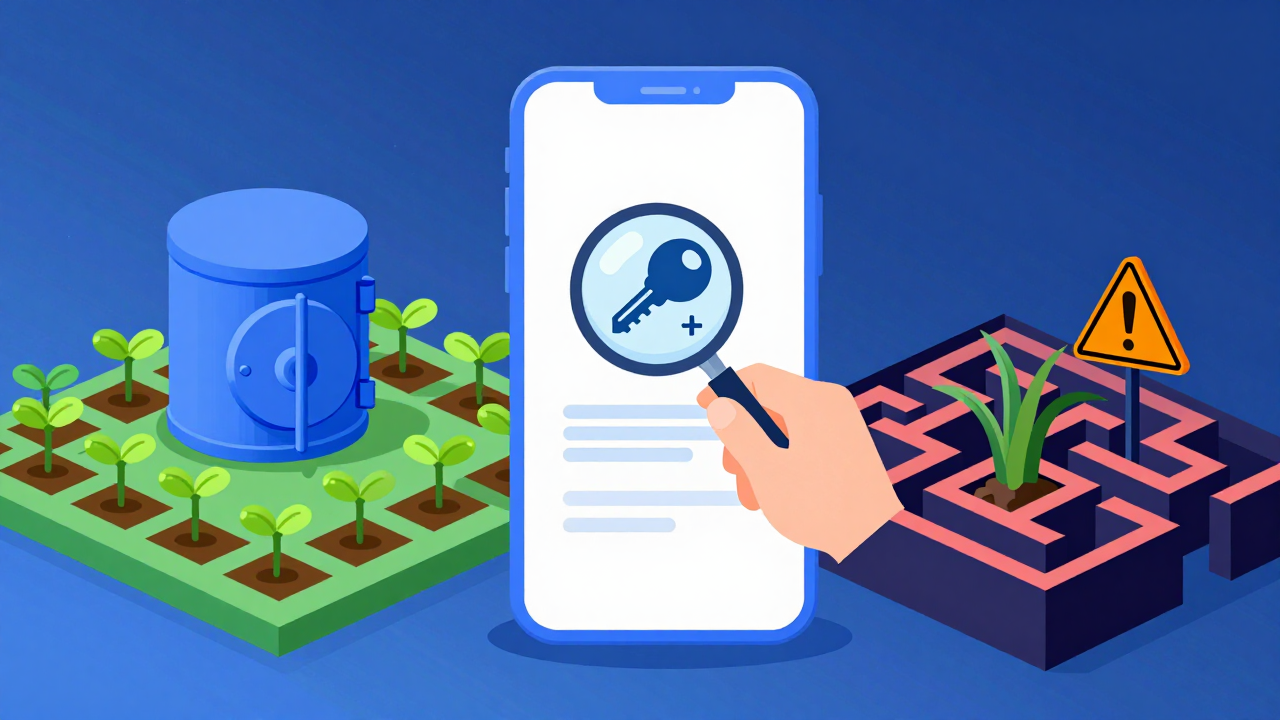
Here's where I need to pour some cold water. SMS verification platforms operate in a gray zone—not illegal per se, but virtually every major platform's terms of service prohibit using virtual numbers for registration. If detected, you're looking at account bans at best, and at worst, your entire account matrix getting linked and wiped out. So compliance matters:
- Never use verification numbers for payment accounts (PayPal, Stripe, and similar)—their risk controls are extremely aggressive.
- Don't use the same number to register across multiple platforms—it gets flagged as suspicious behavior.
- During account nurturing, pair your numbers with fixed IPs and real device fingerprints to reduce association risk.
Industry observers note that teams that survive long-term treat verification platforms as a "support tool" rather than their "main engine." Core accounts use physical SIMs, while peripheral accounts use verification numbers. This approach controls costs while minimizing risk—a strategy worth borrowing.
Getting Started: Your First Time Using a Verification Platform
If you're a solo operator or a small team just starting out, here's my advice: test small first. Don't load up hundreds of dollars upfront. Spend a few bucks on a handful of messages to gauge delivery speed, number quality, and support responsiveness before committing to a long-term relationship. Also, check whether the platform offers a "number replacement" policy—if a number gets flagged, can you swap it for free? Many platforms bury this clause, so ask before you pay.
As for platforms like Getfollow, their edge lies in broad country coverage and a dashboard that shows each number's usage history (whether it's been flagged before). That level of transparency is rare in this industry. But to be fair—no platform is perfect, only suitable. Keep one or two backup providers so you're never left stranded. That's the smart play.
One final takeaway: SMS verification platforms are tools, not magic bullets. Used well, they save you time and money. Used carelessly, they can wipe out your entire account portfolio. Hopefully, this guide gives you a solid framework for making the right call and skipping the expensive lessons.
Frequently Asked Questions
Is it legal to use SMS verification platforms?
Using these services isn't illegal in most jurisdictions, but it does violate the terms of service of most major platforms. If detected, your accounts can be banned. Use them strategically—reserve them for low-stakes accounts and keep physical SIMs for your critical operations.
Why are US and UK numbers more expensive?
Platforms like WhatsApp and Telegram enforce stricter risk controls on Western numbers, making them harder to acquire and maintain. Providers pass those higher costs along. If your target platform doesn't require Western numbers, save your budget and use numbers from other regions.
What's the difference between one-time and long-term numbers?
One-time numbers receive a single SMS and are then discarded—cheap and fast. Long-term numbers keep receiving messages over time, which is essential for account recovery and two-factor authentication. Choose based on whether you'll need ongoing verification for that account.
Can I use the same verification number for multiple accounts?
Technically yes, but you shouldn't. Reusing numbers across platforms or accounts triggers risk flags that can lead to bans. Stick to one number per account to minimize association risks.