Buy TikTok Follower Accounts: How to Spot and Avoid "Zombie Accounts"
Buy TikTok Follower Accounts: How to Spot and Avoid "Zombie Accounts"
For cross-border sellers or content studios looking to jumpstart their TikTok presence, purchasing an existing social media accounts with followers often seems like the perfect shortcut to bypass the cold-start phase. However, industry consensus is clear: the biggest pitfall on this shortcut is buying a "zombie account" – one that looks good on paper but delivers zero real value. So, how can you systematically avoid this trap when you buy TikTok followers? It's definitely not as simple as just looking at the follower count.
The Nature of Zombie Accounts: A Calculated "Data Game"
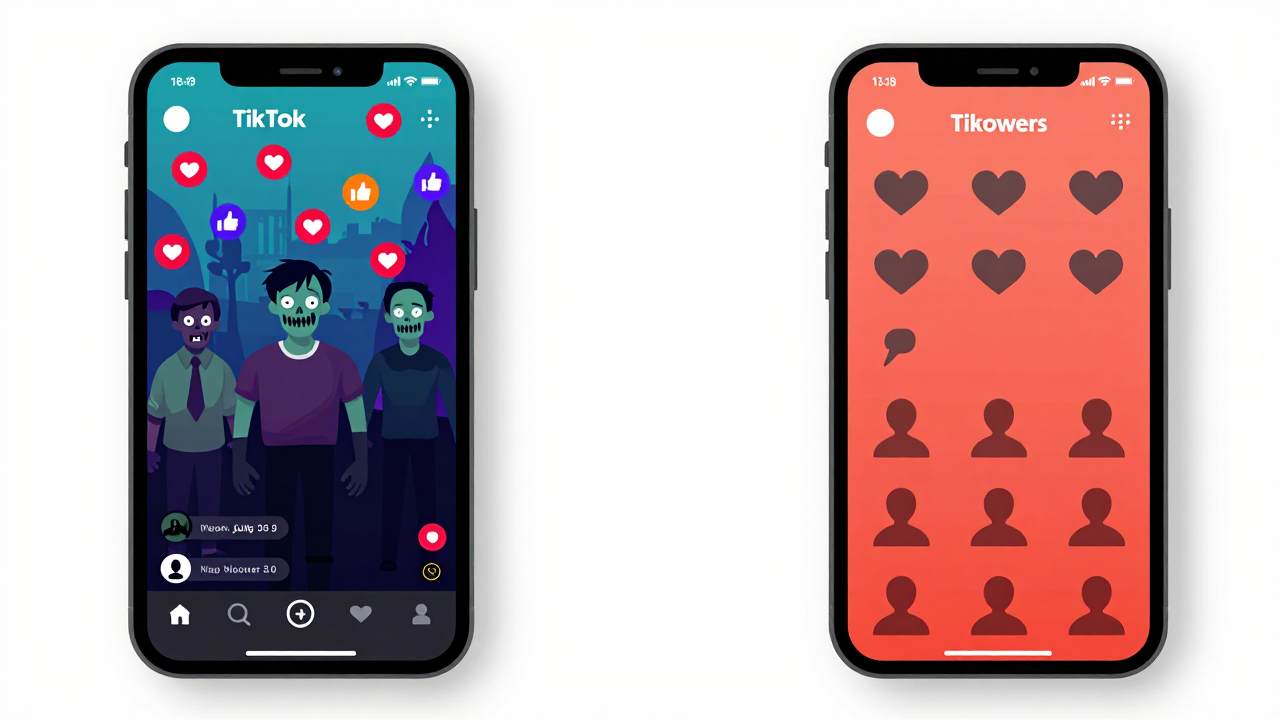
First, understand that a zombie account isn't an empty profile with zero followers. Quite the opposite. These accounts often boast tens of thousands, or even hundreds of thousands, of followers. But these followers are typically batch-registered bots or "dead followers" acquired through black-hat tactics. Their core feature is that the followers are "numbers," not "users." This means they won't generate real likes, comments, shares, or views, let alone spend money on your products or content.
Many cross-border practitioners report that their biggest frustration after buying an account is having "followers without engagement." Video views stagnate at 1%-5% of the follower base, and live streams attract virtually no viewers. These are classic symptoms of a zombie account. From an algorithmic perspective, this extremely low engagement rate signals to TikTok that your content quality is poor, leading it to stop recommendations and trapping your account in an "organic traffic" death spiral.
The Three-Step Verification: Piercing Through Data to Real Value
Avoiding these pitfalls requires more than trusting the data screenshots provided by the seller. You must act like a detective, performing your own cross-verification. Here are the key steps widely recognized in the industry:
1. Examine the "Healthy Ratio" of Engagement
For a relatively authentic account, the average likes per video should be around 1%-3% of the follower count (excluding top-tier influencers). Randomly review the last 20 videos. If an account has 500,000 followers but videos consistently get only a few hundred likes – sometimes less than 100 – that's a major red flag. Pay close attention to the comment section. Real accounts will have a mix of long and short replies, emojis, and even debates. Zombie accounts, however, will have either empty comment sections or a flood of meaningless one-word comments like "nice" or "good."
2. Scrutinize the "Logical Connection" Between Content and Followers
Does it make sense for a beauty tutorial account to have a follower base dominated by middle-aged men? Review the account's historical content style and recent follower demographics (if provided by the seller). If the content lacks vertical focus and has a chaotic style, yet the follower tags are highly uniform, it was likely built through mass traffic diversion or buying non-targeted followers. Such followers have extremely low loyalty.
3. Probe the Account's "Depth of Activity"
Beyond passive content data, active interaction traces are more revealing. Check the account's following list. If it follows very few people or thousands of random accounts, be wary. Also, examine whether posted videos have real geographic location tags or whether the account participated in platform trends using relevant original sounds. These details indicate whether the account was ever managed like a genuine "person."
The Core of Choosing a Provider: Selling Data or Offering a Solution?
Once you understand verification methods, you'll realize that a reliable provider offers more than just a digital account; they provide a guarantee system for the account's health. They won't just emphasize "lots of followers" but will offer the data verification steps outlined above and explain the account's source and operational history.
A provider with a stable industry reputation, like the platform Getfollow, operates on this compliant logic. Before a transaction, they typically grant buyers temporary backend access for self-service inspection or provide detailed recent data reports. This doesn't mean they are the only choice, but rather represents a "transparency" service trend. Buyers have the right to learn as much as possible about the "asset" they are about to purchase before paying.
Therefore, when vetting providers, your questions should be specific and operational: "Where are the majority of this account's followers located?" "Can you provide data on the average engagement rate over the past month?" "What was the previous content direction of this account?" A professional provider will happily answer these questions, while one who is vague should be approached with caution.
Ultimately, buying a TikTok follower account is fundamentally an "asset acquisition." The core isn't the on-paper numbers but the potential traffic, trust relationships, and algorithmic weight they represent. Taking the time to perform the verification steps above is far more important than simply comparing follower prices. Remember, a clean, healthy account with a genuine user base – even if it has fewer followers – has long-term value and monetization potential that a flashy "zombie account" can never match. On the path of global expansion, sometimes moving steadily is more crucial than moving fast.
Frequently Asked Questions (FAQ)
What is a TikTok zombie account?
A TikTok zombie account is a profile that appears to have many followers but has virtually no real engagement. Its followers are typically bots or inactive users, meaning videos receive very few likes, comments, or shares. The account struggles to get organic reach because the TikTok algorithm sees it as having poor content quality due to the low interaction rate.
How can I verify if TikTok followers are real before buying an account?
You can conduct a three-step verification: 1) Check the engagement ratio by seeing if likes per video are roughly 1-3% of total followers. 2) Ensure the content style matches the follower demographics. 3) Examine the account's activity depth, such as its following list and past participation in trends or use of location tags. Always request access to recent analytics data directly from the seller.
Why is engagement rate more important than follower count when buying a TikTok account?
Engagement rate directly influences how TikTok's algorithm treats your account. A high follower count with low engagement (a hallmark of zombie accounts) tells the algorithm that your content isn't interesting, leading to suppressed reach. An account with a smaller but engaged audience will actually get more views, better interaction, and a higher chance of going viral.
What should I ask a service provider when purchasing TikTok accounts?
Ask specific, operational questions like: "What is the primary geographic origin of the followers?" "Can you provide the average engagement rate data for the past month?" and "What was the previous content niche or direction of this account?" A trustworthy provider should offer transparent access to data or detailed reports rather than just highlighting follower numbers.