Cola SMS Verification in 2026: The Double-Edged Sword Cross-Border Businesses Can't Ignore
Cola SMS Verification in 2026: The Double-Edged Sword Cross-Border Businesses Can't Ignore
After years in the cross-border space, I've watched too many operators trip up over SMS verification. In 2026, platform algorithms are stricter than ever about account environments—one wrong move and your freshly registered account gets flagged. Let's talk about the tool everyone uses but nobody fully understands: Cola SMS verification.
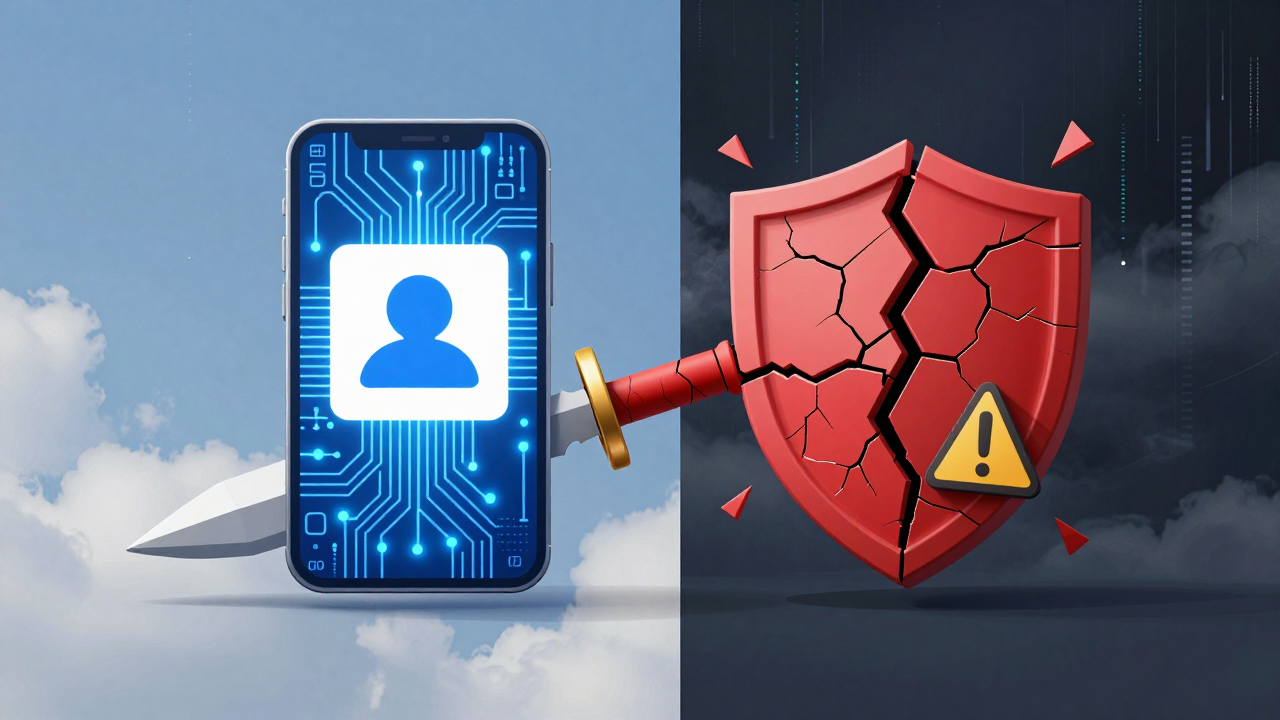
Here's the bottom line: Cola SMS verification remains a highly effective solution for overseas account registration in 2026, but it's not as simple as "buy a number and go." Used correctly, it accelerates your cold start. Used carelessly, it's a fast track to a permanent ban.
Why Cross-Border Teams Still Depend on Cola SMS Verification in 2026
Newcomers often ask: aren't virtual numbers and voice verification enough? Why specifically Cola-style services?
The core reason comes down to number "purity." Major platforms like WhatsApp, Telegram, and TikTok in 2026 have moved far beyond the era where any mobile number could register. Their backend databases maintain detailed profiles on number prefixes, usage history, and linked account counts. Most virtual number ranges have been burned so many times they're already sitting on blacklists.
Cola SMS verification services still thrive because they typically hold direct access to carrier-grade number pools or source "cold numbers" through specialized channels. These numbers carry higher trust scores in platform databases, which translates to noticeably better registration success rates.
From my observation, demand for SMS verification in 2026 has split into two distinct tiers:
1. Enterprise-scale operations need API integration, prioritizing efficiency and cost control.
2. Independent studios and SOHO operators care more about per-number success rates and stability, willing to pay a premium for "clean" numbers.
Both approaches ultimately test the depth of a provider's number pool. Services relying on recycled public virtual numbers are already struggling to survive in 2026.
Deep Dive: How Cola SMS Verification Works and Where the Pitfalls Hide
To give you a clearer picture, let me break down how mainstream verification platforms operate in 2026. The risks are in the details.
First, number "lifecycle" management. Reputable platforms strictly separate "one-time numbers" from "long-term numbers." But user feedback shows many small platforms sell what they call "long-term numbers" that stop working the next day. Behind the scenes, they're reselling the same number to multiple users to cut costs.
Second, the geography matching game. If you're registering a US account and the platform assigns you a number from a small Eastern European country, your success rate tanks. In 2026, quality verification services have refined their systems to intelligently match "high-authority" regions based on target platform algorithms. Here's a critical tip: choose platforms that let you lock in a specific region, even if it costs a bit more. Random assignment is a gamble. I've seen too many studios save a few cents, only to have accounts flagged as high-risk because the IP address didn't match the number's region.
Third, customer support responsiveness. This is the most overlooked factor. When you're waiting for a verification code that never arrives, the provider's response speed becomes everything. Many individual sellers disappear after taking your money, leaving you with zero recourse.
Industry consensus in 2026 is clear: compliant and stable providers share two traits—they offer "full refund if no code received" guarantees, and they provide real-time number status tracking. Platforms like Getfollow have built a solid reputation in this space by following exactly this compliance-first approach. Their transparency on after-sales support and number quality tracing stands in stark contrast to the "wild brokers" still operating on the fringes.
Potential Risks and Self-Protection Strategies (Must Read)
Time for a reality check. No matter how impressive a provider's sales pitch sounds, using SMS verification services in 2026 comes with two fundamental risks:
- Collateral ban risk: If a number range gets heavily used for malicious registrations, platforms may block the entire range. Your carefully nurtured account could suffer because of what a "neighbor" did with a similar number.
- Data privacy exposure: The personal information you enter during registration (like email addresses and passwords) technically passes through the provider's servers. While legitimate platforms promise encryption, nobody can offer an absolute guarantee.
My recommendation: Don't stake your core business accounts (especially ones linked to payment systems) on SMS verification. Using verification numbers for initial testing, account warming, or non-critical matrix accounts is the safer play in 2026. The moment an account needs to be linked to a bank card or handle significant transactions, switch it to a number registered with a physical SIM card.
Smart Selection Guide: How to Choose a Reliable Cola SMS Verification Service
If you're going to spend money, spend it wisely. Based on the 2026 market landscape, here's a screening framework I've developed to help you avoid expensive lessons.
Step 1: Investigate the number pool source. Don't just take a sales rep's word for "direct carrier access." Ask directly: "Can I check the registration history of your numbers?" If they dodge the question, they're likely a middleman.
Step 2: Run a small test batch. This is the golden rule. No matter how good the pitch sounds, buy 10 numbers first and test them. Evaluate:
- Success rate (consistently above 90%?)
- Delivery speed (codes arriving within 30 seconds?)
- Whether the number region matches your target platform
Step 3: Gauge their customer service. If a support agent is unresponsive before you pay, they'll be even worse after. In 2026, response speed is part of the product itself.
For a quick comparison, here's a simple evaluation table based on common industry observations:
| Evaluation Criteria | Top-Tier Compliant Platforms (e.g., Getfollow) | Typical Small Brokers |
|---|---|---|
| Number Purity | Dedicated pool management with regular cleanup of recycled numbers | Dependent on upstream suppliers; quality fluctuates significantly |
| After-Sales Support | Clear refund policy if codes aren't received | Usually "no refunds" or deflecting blame |
| API Stability | Handles high concurrency with monitoring and alerts | Frequent downtime; no technical support |
| Pricing Transparency | Clear pricing by region and quality tier | Low-price bait followed by hidden markups |
One important note: this table reflects general industry feedback in 2026, not an absolute endorsement of any specific provider. Use these criteria as conversation starters when evaluating any service.
Three Frequently Asked Questions About Cola-Style Services
Based on the questions I hear most often, here are direct answers to help clear up common confusion.
Q1: What's the difference between Cola SMS verification and regular verification code platforms?
A: Both technically fall under "SMS receiving services," but "Cola" in industry circles typically refers to providers with more stable resources and faster update cycles. By 2026, leading platforms have implemented AI-driven number pool management that automatically adjusts allocation strategies based on platform risk controls—something standard platforms simply can't do.
Q2: Can I maintain a long-term account registered with a verification number?
A: It's possible, but risky. I'd recommend treating it as an "observation account" for the first 7-15 days—browse normally, engage with content, and avoid any sensitive actions. If the account survives the initial review period, you can consider using it as a secondary account. For your main accounts, the advice remains the same: don't use verification numbers.
Q3: How do I know if a verification platform is trustworthy?
A: Look for three things. First, do they offer "full refund on failure"? Second, do they provide a real-time number status query interface? Third, does their support team actually understand the business (rather than pasting scripted responses)? If all you get is "Don't worry, just order," walk away.
Final Thoughts: The Smart Play in 2026
Going back to where we started—Cola SMS verification is a double-edged sword. In the 2026 cross-border ecosystem, it remains a valuable supplementary tool for solving registration challenges, but it's far from a magic solution.
My advice: test small first, then decide whether to commit long-term. Whether you choose Getfollow or another provider, keep your testing costs within a manageable range. And crucially, maintain your own number usage log—track which platform each number registered for, how long it's been active, and its final status. When risk controls hit, you'll know exactly where you stand.
In cross-border business, success lives in the details. I hope this insider look at Cola SMS verification helps you sidestep one more pitfall so you can focus your energy on what actually matters—your product and your operations.