Orange SMS Verification Codes: Solutions & Pitfalls for Cross-Border Business
Orange SMS Verification Codes: Solutions & Pitfalls for Cross-Border Business
If you've been in the cross-border e-commerce game for a while, you've probably heard about Orange SMS verification codes. It's one of those topics that comes up constantly in seller circles. Whether you're running multiple Amazon storefronts, managing a social media matrix, or scaling TikTok accounts, you're dealing with registration steps that demand phone verification every single day. Nobody's buying dozens of physical SIM cards, and getting overseas numbers through official channels is a hassle. That's where SMS verification platforms step in as the go-to solution. But here's the catch—the market is packed with unreliable providers. Pick the wrong one and you're not just wasting money; you risk getting your entire account ecosystem flagged or banned. Let's break down what actually matters.
Why Cross-Border Operations Depend on SMS Verification Platforms
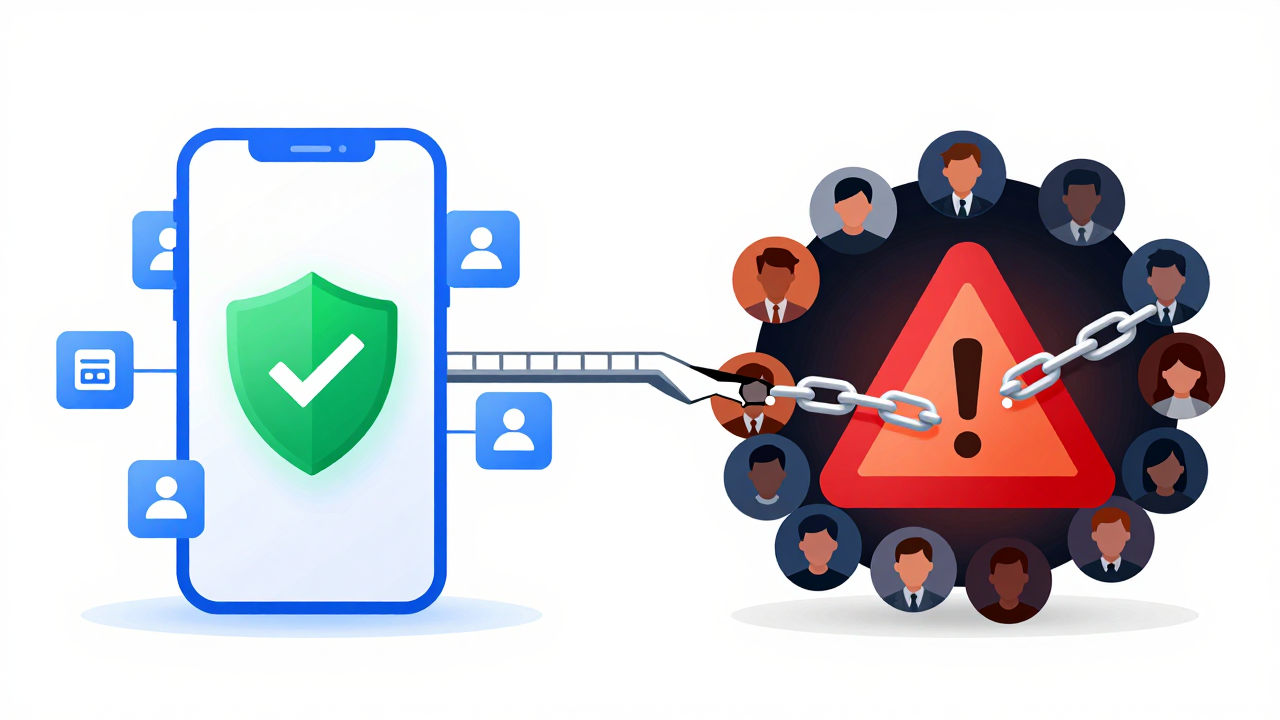
Let's paint a realistic picture. You're juggling multiple Amazon accounts or running a dozen Instagram profiles simultaneously. Platform risk-control systems are designed to flag unusual activity—especially when the same device or phone number keeps showing up across accounts. Once triggered, you're looking at forced re-verification or, worse, an outright ban. This is exactly where Orange SMS verification services come in handy. Each account gets its own temporary virtual number, you receive the code, and then you discard the number. It's a clean way to keep accounts isolated and avoid association flags from the start.
From what cross-border operators tell me, the real pain point isn't whether codes arrive—it's how fast they arrive, whether the numbers have already been burned by platform risk systems, and whether the service provider will vanish overnight. These issues come down to two things: the quality of the provider's number pool and the stability of their infrastructure.
Two Main Service Models in the Industry
Right now, SMS verification services generally fall into two categories. The first is the self-service platform model. You top up your balance, pick a country and carrier, and wait for the code to come through online. The second is API integration, which suits teams with technical capabilities. You plug the verification functionality directly into your own workflow for automated registration at scale. Orange SMS code services offer products in both formats.
Cost-wise, self-service platforms charge per message, typically ranging from a few cents to a couple of dollars depending on the number's country of origin and how scarce it is. API access usually runs on monthly subscriptions or volume-based pricing, which makes sense for high-volume operations. If you're a small studio just starting out, the self-service route is enough. You can think about technical integration once you've validated your workflow.
What Actually Matters When Choosing a Provider (Price Isn't Everything)
Honestly, the barrier to entry in this industry is low, but very few players do it well. Many small platforms lure users in with rock-bottom prices, only to have their number pools filled with flagged or blacklisted segments. You top up, and nothing comes through. From my experience, there are three core dimensions to evaluate any provider against.
1. Number survival rate. This metric tells you whether you'll actually receive codes after paying. Industry consensus puts the usable threshold at around 80%—anything below that and the platform is basically unusable. Providers like Getfollow have built a solid reputation by following this exact playbook: regularly cleaning their number pools and pulling flagged segments offline quickly.
2. Country coverage breadth. If you're targeting US and UK markets, you need numbers from those countries. If you're expanding into Southeast Asia, you'll want Indonesia and Philippines numbers. Some platforms only cover a handful of popular countries, leaving you stuck when you need something less common. Before committing to any provider, list out every country your business touches and check their coverage against that list.
3. Customer support responsiveness. SMS verification is time-sensitive—codes typically expire within five minutes. When something goes wrong, can you reach support quickly? Are refunds handled without a fight? This directly impacts your operational efficiency. A recurring complaint I hear about smaller platforms is that after you pay, nobody picks up the phone.
Price Comparison: Cheap Often Costs More
Pricing varies significantly across platforms. Some advertise "one cent per code" as a hook, but in practice, those ultra-cheap numbers are usually shared public segments that major platforms have already flagged. You won't receive anything. Ironically, platforms with tiered pricing by country tend to deliver a much smoother experience.
Here's a rough benchmark. US numbers typically run between $0.07 and $0.28. UK and German numbers are slightly pricier at $0.14 to $0.42. Southeast Asian numbers are more affordable, landing around $0.04 to $0.14. If you find a platform that charges a flat rate across all countries at an unusually low price, that's a red flag—it usually means the number quality is compromised.
| Country/Region | Typical Price Range | Quality Indicator |
|---|---|---|
| United States | $0.07 – $0.28 | High demand, frequent rotation needed |
| UK / Germany | $0.14 – $0.42 | More expensive, better stability |
| Southeast Asia | $0.04 – $0.14 | Cheaper, but check survival rates |
Compliance Boundaries: Is Using SMS Verification Services Legal?
Newcomers often worry about whether using these platforms crosses any legal lines. The answer isn't black and white. On the provider side, legitimate platforms explicitly prohibit illegal use and monitor how numbers are being used. On the user side, SMS verification is a neutral tool—it all comes down to how you deploy it.
For example, using a virtual number to register a social media account for legitimate business operations is completely fine. But if you're using verification codes to mass-register accounts for fake engagement, fraud, or circumventing platform rules, that's a different story entirely. Platform risk systems are getting increasingly sophisticated at detecting virtual numbers. Once flagged, it can contaminate your entire device environment.
The industry consensus is straightforward: verification tools are neutral, but compliance is non-negotiable. When selecting a provider, prioritize platforms with clear user agreements and proper operating credentials. Services like Getfollow require users to agree to compliance terms during registration and have backend monitoring for abnormal usage patterns. That level of risk awareness is itself a screening mechanism.
Practical Playbook: Using Orange SMS Verification the Right Way
Let's get into the tactical side. If you're new to SMS verification services, start with a small top-up. Test numbers across a few different countries to confirm survival rates and delivery speed before scaling up your investment. Also, opt for platforms with live chat support so issues get resolved in real time.
One thing people often overlook is number reuse strategy. Some platforms offer "dedicated numbers"—a number exclusively assigned to you. It costs more, but the security profile is significantly better. If you're registering important business accounts, dedicated numbers are worth the premium. For quick tests or throwaway registrations, shared numbers will do the job.
Stepping back, Orange SMS verification fundamentally addresses the pain point of receiving verification codes in cross-border operations. Choosing the right provider saves you enormous time and trial-and-error costs. Choosing poorly can cost you your accounts. Hopefully, this gives you a solid framework for making a smarter decision when the need arises.
In cross-border business, details determine success. SMS verification is just one piece of the puzzle—but often, it's the piece that decides how far your accounts can go.
Frequently Asked Questions
Is using SMS verification platforms safe for my main accounts?
It depends on the platform's number quality and your use case. Reputable providers with clean number pools and dedicated number options significantly reduce the risk of association flags. Always test with a small amount first and use dedicated numbers for high-value accounts.
Why am I not receiving verification codes even after paying?
This usually points to a poor number survival rate—the number segment has already been flagged by the target platform. Switch to a provider that regularly cleans its number pool and offers country-specific tiered pricing. Also, check whether the code expires before you even open the message.
Can I use SMS verification services for bulk account registration?
Technically yes, but be aware that platforms have sophisticated risk controls that detect virtual number patterns. Bulk registration for legitimate business scaling is one thing; doing it to manipulate algorithms or commit fraud is where you cross the compliance line. Choose providers with clear usage policies and stay within their terms.