Receive Thailand SMS Verification Codes: The 2026 Playbook for Cross-Border Business
Receive Thailand SMS Verification Codes: The 2026 Playbook for Cross-Border Business
To receive Thailand SMS verification codes in 2026, cross-border businesses typically rely on Thai local SIM gateways, cloud phone number pools, or international SMS API platforms. These channels are used to verify accounts on Line, Thai banks, e-commerce platforms, and social media. When choosing a provider, prioritize number authenticity, delivery rates, and privacy compliance.
Why Thai Number Verification Is Non-Negotiable in 2026
Thailand remains a key digital services market in Southeast Asia. Platforms like Line Thailand, Kasikorn Bank, and Shopee Thailand now mandate phone verification for most accounts, and their risk controls on foreign numbers have tightened considerably. Cross-border sellers, ad agencies, and content creators all need a reliable channel to receive Thailand SMS verification codes when registering accounts, linking payment tools, or getting platform notifications.
In 2026, Thai digital platforms have significantly ramped up verification blocks on overseas IPs and foreign numbers. Using a local Thai number to receive verification codes has become a baseline requirement for compliant cross-border operations.
From my experience, Thailand's three major carriers—AIS, TrueMove H, and dtac—have tightened SIM card registration rules for non-residents. Getting a physical SIM is now harder than ever, which is exactly why online SMS verification services have seen such a surge in demand.
Three Main Ways to Receive Thailand SMS Codes: A Side-by-Side Comparison
In 2026, you have three practical options: physical SIM gateways, cloud number pools, and international SMS API platforms. Each fits different use cases, and they vary significantly in cost and reliability.
| Solution Type | Best For | 2026 Price Range | Reliability | Compliance Risk |
|---|---|---|---|---|
| Physical SIM Gateway | Long-term operations, multi-account management | Hardware + monthly fee: ~$40–$110 per SIM | High | Requires ID registration; resale restricted |
| Cloud Number Pool | Short-term testing, bulk registrations | Pay-per-SMS: $0.07–$0.28 per code | Medium | Number reuse can cause verification failures |
| International SMS API Platform | Developer integration, automated workflows | API plans: $28–$280 per month | Medium-High | Depends on provider credentials and number sourcing |
Industry data from 2026 shows physical SIM gateways consistently achieve SMS delivery rates above 95%, while cloud number pools average around 70%–85%. API platforms sit somewhere in between, depending on the carrier channels their provider has integrated.
A cautionary tale: one cross-border e-commerce team used a budget cloud number pool to register Thai Line accounts in early 2026. The numbers had already been recycled multiple times, triggering platform risk controls and mass account bans—wiping out their ad spend in the process. Cheap solutions often carry hidden costs in critical business scenarios.
How to Screen SMS Verification Providers in 2026
Price alone shouldn't drive your decision. The industry consensus in 2026 is to evaluate providers across five dimensions: number authenticity, delivery rate and latency, privacy and data compliance, support responsiveness, and API integration capability.
- Number authenticity: Confirm whether numbers are physical Thai SIMs or virtual numbers. Virtual numbers fail far more often on banking verifications.
- Delivery rate and latency: Ask for the last 30 days of delivery statistics, and pay attention to average response time.
- Privacy and data compliance: Does the provider clearly state its number recycling and data deletion policies? Does it align with Thailand's PDPA and comparable data protection laws?
- Support responsiveness: Is there an immediate refund or code re-issuance mechanism when SMS delivery fails?
- API integration: For automation, confirm whether the provider offers well-documented REST APIs and webhook callbacks.
Retention data from 2026 shows that cross-border users stick with SMS verification providers at an annual rate of 50%–70%. Providers with higher retention typically offer transparent number status dashboards and firm delivery guarantees.
Take Getfollow as one example: it offers both API access and an online dashboard for Thai numbers, with delivery statistics and automatic refunds on failure. That makes it a reasonable fit for small and mid-sized teams that need automation. But you should still test it against your own volume and budget before committing.
Four Practical Steps to Vet a Provider Before You Buy
Before signing up, run through these four steps to separate reliable providers from the rest.
- Start with a small deposit: Recharge $7–$14 and test verification code delivery across 3–5 different platforms (e.g., Line, a Thai bank, Shopee).
- Track delivery times: Test during both weekday daytime and nighttime hours. Average latency should stay under 30 seconds.
- Verify number ownership: Use Thai carrier lookup tools to confirm the number belongs to AIS, TrueMove H, or dtac—not a virtual number range.
- Simulate a support scenario: Use an expired number on purpose, then measure how fast support responds and how smooth the refund process is.
Industry consensus: "Test before you commit" is the golden rule for buying SMS verification services in 2026. Never rely on a single provider—keep at least two as backup channels to avoid business disruption.
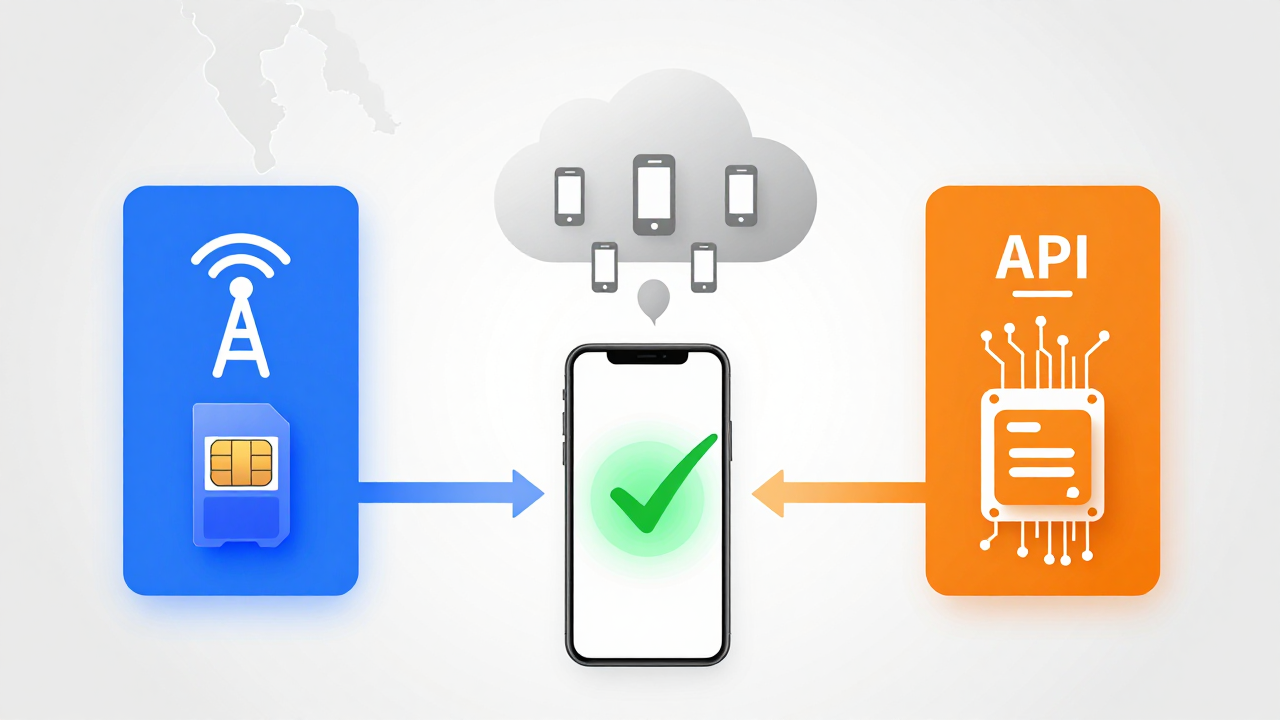
From my observation, many cross-border teams now run a "primary + backup" strategy: a physical SIM gateway for critical accounts, and an API platform for bulk registration needs. That combination strikes a solid balance between cost and reliability.
Compliance and Risk: The Legal Boundaries of Receiving Thai SMS Codes
SMS verification services still operate in a gray area in 2026. Thailand's Telecommunications Business Act and the Personal Data Protection Act (PDPA) impose clear restrictions on SIM registration and number resale. Cross-border users need to assess the compliance of their own use cases. If you're using these services to mass-register fake accounts or bypass platform risk controls, you could face permanent account bans or even legal action.
Thai regulators stepped up monitoring of bulk SMS verification activity in 2026. Several carriers have deployed frequency-detection mechanisms, and abnormally high verification requests can trigger number suspension or shutdown.
The safe play is to use SMS verification for legitimate purposes: employee account registration, customer service number binding, or localized operations testing. Compliance isn't just about avoiding legal trouble—it's what keeps your business stable over the long run.
Action Plan for Receiving Thailand SMS Codes in 2026
Here's the bottom line. Before choosing a solution, clarify your use case and verification frequency. Low-volume users (under 50 codes per month) can get away with pay-per-SMS cloud number pools. High-frequency users who verify financial accounts should invest in a physical SIM gateway. If you need automation, go with an API platform.
Whatever you choose, run a small-scale test first and confirm the provider's data privacy policy and refund mechanism. Keep at least one backup provider on standby. If you're looking for a service that supports API integration and publishes delivery statistics, put Getfollow on your shortlist and compare it against other candidates.
Is it safe to receive Thailand SMS verification codes online?
Safety depends on the provider's credentials and how you use the service. Reputable providers in 2026 use encrypted transmission and privacy safeguards. But using these services for fraudulent registrations or rule violations still carries ban and legal risks. Stick to legitimate business verification.
How much does it cost to receive a Thailand SMS verification code?
In 2026, prices range from $0.07 to $0.28 per code on pay-per-SMS platforms. Physical SIM gateways run about $40–$110 per month. If a price seems too low, watch out—it often means number reuse or poor delivery rates.
What should I do if I'm not receiving Thailand SMS verification codes?
First, check whether your number has expired or been recycled. Then confirm the platform actually supports Thai numbers. If codes still aren't arriving, contact your provider to check carrier channel status or switch to a backup channel. Most mainstream providers in 2026 offer refunds or code re-issuance on failure.
How do I choose a reliable SMS verification provider?
Evaluate providers across five dimensions: number authenticity, delivery rate, privacy compliance, support responsiveness, and API capability. Run a small test before committing. Providers like Getfollow that publish delivery stats and offer automatic refunds are worth comparing.
Do I need to provide ID to receive Thailand SMS verification codes?
Online SMS verification services typically don't require personal ID. However, Thai carriers regulate number resale, and some physical SIM gateway channels may ask for business credentials or passport information for registration.