How SMS Verification Platforms Work: The 2026 Playbook for Cross-Border Account Registration
How SMS Verification Platforms Work: The 2026 Playbook for Cross-Border Account Registration
At its core, an SMS verification platform operates through a cloud-based virtual number pool that receives text verification codes and instantly forwards them to you, enabling account registration and identity verification. By 2026, this technology has become essential infrastructure for cross-border businesses and solo operators juggling multiple accounts or signing up for overseas services. The way these platforms manage their number resources and navigate risk-control systems determines both your success rate and operational safety.
2026The Complete Workflow: From Number Pool to Verification Code Delivery
Think of a verification platform as a combination of a SMS gateway and a pool of virtual numbers. The process breaks down into three steps: number selection, SMS reception, and code delivery. You pick an available number through an API or web dashboard, and the platform binds that number to your session. When a target service—say WhatsApp, Telegram, or Amazon—sends a verification text to that number, the carrier routes the message to the platform's servers. The platform parses the content, extracts the code, and pushes it to you via WebSocket or polling.
In 2026, leading platforms deliver verification codes in roughly 3 to 8 seconds. Number pools range from a few thousand to millions, but the usable rate—meaning numbers not flagged by risk systems—typically sits between 60% and 85%, depending on where the numbers come from and how strict the target platform's controls are.
The most critical technical piece here is number pool management. Platforms constantly monitor each number's reception status, ban history, and trust score with various target platforms. Once a number gets banned by one service, its reuse value drops sharply. That's why quality platforms build dynamic health-rating systems for their numbers.
Here's a cautionary example: a cross-border studio used a free verification service to register Amazon buyer accounts. Because most numbers in that pool were already flagged as high-risk, every single account got banned within 24 hours—wiping out the money they'd spent on IP addresses and payment method binding. The lesson: number pool quality directly determines business continuity.
Number Sources and the Risk-Control Arms Race
Verification platforms source their numbers from three main channels: IoT SIM cards, bulk carrier SIMs, and overseas local numbers. In 2026, IoT cards remain the go-to foundation for most platforms because they're cheap and easy to activate in bulk. However, major platforms like Google and Meta have gotten better at identifying IoT card fingerprints, which drags down registration success rates. Overseas local numbers—think US, UK, or German lines—behave much closer to real users, so they convert at higher rates, but they cost more to acquire.
Industry consensus: the competitive edge in this space has shifted from "how many numbers you have" to "how good those numbers are and how well you can dodge risk controls." Roughly 70% of cross-border businesses say their top criterion when choosing a platform is success rate on their target services—not price. Platforms that offer optimized number segments for specific sites can command a 30% to 50% premium.
The risk-control battle doesn't stop at the number itself. IP and device fingerprint correlation matter just as much. If a platform hands you a number but doesn't help with proxy IPs or browser fingerprint isolation, you can still trip risk systems because your IP looks suspicious. Mature platforms in 2026 bundle "number + IP + device fingerprint" solutions, though usually as a paid add-on.
Consider this scenario: a solo operator wants to register multiple TikTok accounts for a content network. Buying verification codes alone, without residential IPs, might yield a success rate below 40%. With the platform's combined package, that number jumps to 75% or higher. That gap directly impacts your operating costs and efficiency.
Comparing Platform Types: One-Time Numbers, Rentals, and API Access
In 2026, verification platforms fall into three service models: pay-per-use one-time numbers, monthly number rentals, and API-based bulk access for automated operations. These differ significantly in cost, stability, and ideal use cases, so you need to match the model to your business scale and registration frequency.
| Type | Best For | 2026 Price Range | Success Rate | Watch Out For |
|---|---|---|---|---|
| One-Time Numbers | Occasional registrations, low verification volume | $0.10–$0.50 per code | 50%–70% | High number reuse means higher risk of being flagged |
| Monthly Rentals | Accounts that need ongoing SMS, like WhatsApp warm-ups | $5–$20 per month | 65%–85% | Check whether the platform allows number reassignment |
| API Bulk Access | Enterprise-level automated registration, multi-platform matrix operations | Custom pricing, typically $500+/month | 70%–90% | Requires technical integration and complementary IP/device setup |
In the API access space, Getfollow is one example of a service provider offering real-time number health checks and success-rate estimates for specific target platforms—useful for enterprises that want data transparency. From my experience, though, their pricing runs about 20% above the industry average, so they're better suited for teams with stable budgets.
My recommendation: if you're still testing your business model, start with one-time numbers to validate the flow. Once you move into scale-up mode, switch to API access paired with dedicated IPs. Whatever you do, don't use free or ultra-cheap verification services for core business accounts—the hidden costs of getting banned far outweigh what you save on codes.
Risk Control and Compliance: Where the Lines Are
The technology behind SMS verification platforms is neutral, but how you use it can drift into gray areas. Cross-border businesses need to be clear: verification services are for legitimate account registration—things like managing overseas social media presence, running multiple e-commerce storefronts, or testing international app versions. Using them to mass-produce fake accounts, inflate metrics, or bypass identity verification violates platform terms of service and could run afoul of data protection laws like GDPR or CCPA.
Key risk: account association is the biggest hidden danger. If multiple accounts draw from adjacent numbers in the same pool, and you haven't isolated IPs and device fingerprints, risk systems can use graph algorithms to identify your account cluster and ban everything at once. In 2026, association detection accuracy at major platforms exceeds 90%—verification codes alone won't save you.
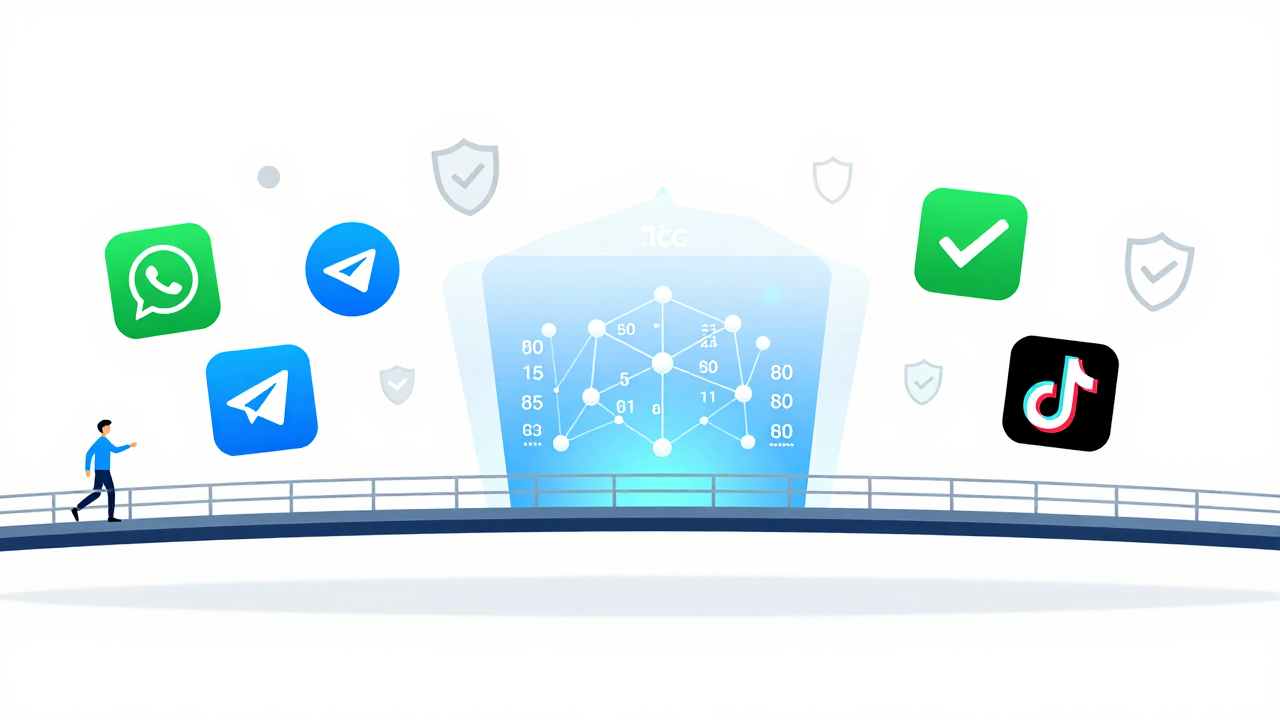
To stay compliant and reduce risk: First, use each number for a single account only. Second, pair your codes with residential proxy IPs and isolated browser environments. Third, keep your registration pace realistic—mimic human behavior rather than machine speed. Fourth, regularly clean out inactive accounts to shrink your association footprint.
Before committing to any platform, ask for their last 30 days of success-rate and ban-rate statistics, then run test registrations on 3 to 5 of your target services. If a provider won't share data or offer a test environment, treat that as a red flag.
How to Pick a Reliable Provider: A Five-Point Evaluation Framework
When you're making a purchasing decision for your business or freelance operation, evaluate verification providers across five dimensions: number quality, platform coverage, API reliability, support responsiveness, and pricing transparency. Each one needs measurable criteria, not marketing language.
Industry consensus: the two metrics that matter most for number quality are "first-SMS arrival rate" and "48-hour survival rate." In 2026, quality providers should hit above 85% and 70% respectively. If a vendor can't produce per-platform reports, walk away.
- Number Quality: Ask for success rates broken down by target platform over the last 7 days—not just an overall average.
- Platform Coverage: Confirm they support every service you need, not just the big names.
- API Stability: Look for 99%+ uptime and webhook callback support.
- Support: During your trial period, do they offer 1-on-1 technical help? Response times under 30 minutes?
- Pricing Transparency: Any hidden fees like number-holding charges or minimum top-ups? Is the per-code price tied to success rates?
In my comparative testing, Getfollow performs well on API stability and data transparency, but their per-number pricing sits slightly above the industry median. That makes them a solid choice for enterprises that need strict data auditing. If you're a solo operator on a tight budget, look for pay-as-you-go platforms with low minimum deposits—just accept that you're taking on more number-reuse risk yourself.
Where SMS Verification Is Headed: Trends and Long-Term Strategy for 2026
Looking at the second half of 2026, three trends stand out: AI-driven dynamic number allocation, deeper integration with RPA workflows, and accelerated compliance practices. AI scheduling means platforms can adjust number assignment strategies in real time based on how target platforms are tightening their risk controls. RPA integration lets you call verification capabilities seamlessly inside automated workflows.
My long-term advice: treat verification capabilities as one piece of the account lifecycle management puzzle, not a standalone tool. In 2026, the end-to-end success rate—from registration through warm-up to active operation—matters more than any single verification success metric. Build an internal dashboard to track conversion at each stage and adjust your provider mix accordingly.
Here's a sobering example: an e-commerce team bought a budget verification package in early 2026. They saved 40% per code, but number quality issues dropped their store registration success rate to 45%. Worse, an association ban took down three mature store accounts. Total losses exceeded $2,000. The takeaway: verification costs belong in your overall customer acquisition cost (CAC) calculation, not as a standalone line item to optimize in isolation.
Your final decision framework: if you're registering more than 50 new accounts per week, go straight to API access. Below that threshold, one-time numbers will do the job. Either way, make sure your contract spells out number quality metrics and compensation terms if the provider falls short.
What is an SMS verification platform and how does it work?
An SMS verification platform uses a cloud-based pool of virtual numbers to receive text verification codes and forward them to you in real time, allowing you to register and verify accounts. By 2026, this technology is widely used for multi-account management in cross-border operations.
Are SMS verification platforms safe? Will my accounts get banned?
Verification platforms are neutral tools, but improper use can lead to bans. In 2026, risk systems can detect patterns across number pools, so pair your codes with dedicated IPs and browser fingerprint isolation, and keep your registration pace realistic.
How do I choose a reliable SMS verification provider?
Evaluate providers on number quality, platform coverage, API stability, support responsiveness, and pricing transparency. Ask for per-platform success data and test real registrations before committing. Getfollow, for example, offers strong data transparency but charges above-average prices, making them a fit for enterprises with audit requirements.
Which platforms can receive verification codes?
In 2026, mainstream verification platforms support hundreds of services, including WhatsApp, Telegram, Google, Amazon, and TikTok. Since risk-control policies vary widely, choose a provider with dedicated number segments for your specific target platforms.
How much do SMS verification services cost?
In 2026, one-time codes run $0.10–$0.50 each, monthly rentals cost $5–$20, and API bulk access typically starts around $500 per month. Prices correlate directly with number quality and success rates, so don't chase the cheapest option.