Best SMS Verification Service for Business: What Nobody Tells You About Number Purity
Best SMS Verification Service for Business: What Nobody Tells You About Number Purity
Having spent years in the cross-border space, I've watched too many teams trip over something as basic as SMS verification for account registration. Either their accounts get banned, the number reuse rate is alarmingly high, or worse—they end up using dirty number pools that put their entire store at risk of association flags. Let's skip the fluff and dig into what actually matters here.
Why SMS Verification Platforms Are the Hidden Foundation of Global Business
Whether you're registering an Amazon storefront, creating TikTok accounts, or verifying WhatsApp and Telegram, an overseas phone number is nearly impossible to bypass. Many solo operators start with the mindset of "I'll just top up on any cheap platform," only to discover within a week that numbers expire fast, SMS delivery lags badly, or—even worse—the numbers are already flagged as high-risk, pushing your new account straight into manual review. That appeals process alone can derail your entire operational rhythm.
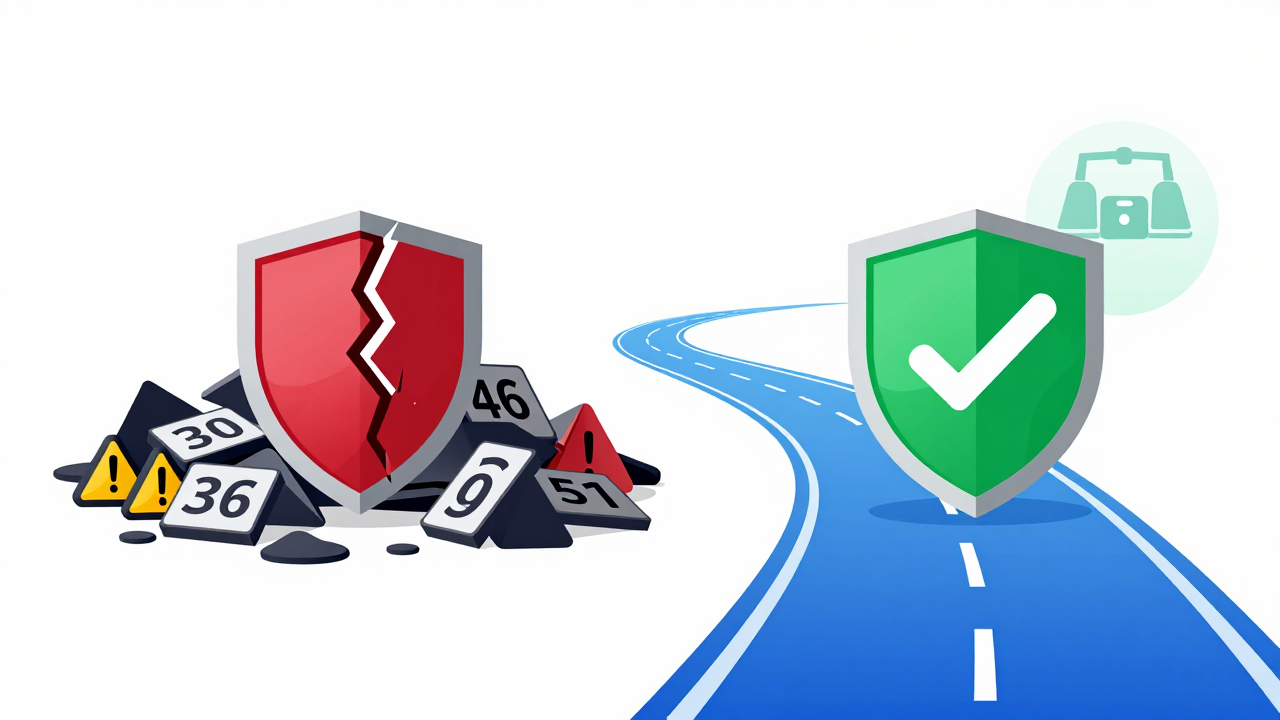
Industry consensus is clear: the core value of an SMS verification service isn't just "receiving codes." It's the purity and stability of the numbers themselves. I've personally tested over a dozen platforms, and a pattern emerges: platforms that advertise rock-bottom prices usually pull from batch-registered IoT cards or recycled second-hand number pools. These numbers carry heavy "historical baggage" in platform risk-control systems, and using them for new account registration typically results in a survival rate of just 30% to 50%.
The Hidden Cost of Cheap SMS Verification: Do the Math Before You Save a Few Cents
What cross-border operators fear most isn't failing to receive a code—it's getting hit with mass bans within a week of successful registration. Here's a scenario I've seen play out repeatedly: you spend a few cents on a number, register five social media accounts, and three days later all five are flagged for video verification. Meanwhile, the SMS platform can no longer provide verification for that number. Your accounts are now in "semi-dead" limbo—no appeal path, no recourse. You're forced to abandon them and start over.
Here's a real cautionary tale: a small studio decided to cut costs, topped up $70 on a budget platform, and registered 20 TikTok accounts for a matrix operation. Within two weeks, 17 of those accounts were banned, and the remaining 3 were throttled. They eventually switched to a compliant provider. Sure, the per-number cost was 3 to 5 times higher, but their account survival rate jumped to over 85%. In the end, it actually cost them less.
So here's my take: treat SMS verification costs as "account security insurance," not just a "text message fee." Spending a few extra cents buys you a clean identity in risk-control models. That's a trade-off that always pays off.
The Industry Is Shifting: Compliance Is Replacing the Wild West Era
Since 2024, major platforms worldwide have significantly sharpened their ability to detect virtual numbers. The days of "grab any number and register" are long gone. Many risk-control systems now check whether a number belongs to VoIP, whether it comes from known SMS verification pools, and can even use IMEI and base station data to determine the usage context of a number.
This shift has split the industry into two camps. One group continues to attract users with ultra-low prices but offers zero quality assurance. The other group has moved toward compliant operations—partnering with overseas carriers to source real SIM card inventory, or using AI pre-screening to weed out high-risk number segments. Platforms like Getfollow have built a solid reputation in this space precisely because they follow this compliant logic. They don't chase "unlimited low prices." Instead, they invest in maintaining number purity and continuously iterating their risk-control models.
From my observation, a growing number of experienced cross-border operators now treat their SMS verification provider as a "core supplier," vetting them with the same rigor they'd apply to a logistics partner. The reasoning is simple: account security is the "1," and all other operational efforts are the trailing zeros. Lose the "1," and everything else collapses.
Build Your Own SMS Verification System vs. Third-Party Platform: Which Fits You?
Some teams with strong technical backgrounds consider building their own SMS verification infrastructure—purchasing GSM modules, bulk SIM cards, or integrating APIs like Twilio. It can solve some customization needs, but the costs add up quickly.
- Hardware costs: A basic setup of GSM modules, SIM slots, and antennas runs between $300 and $700, not including SIM card procurement
- Maintenance overhead: You'll need dedicated staff to handle SIM slot lockouts, signal interference, and carrier policy changes—at least 3 to 5 hours per week
- Risk-control exposure: Self-managed number pools rarely stay clean. Once a carrier segment gets flagged by a platform, the entire batch becomes worthless
Third-party platforms, by contrast, benefit from economies of scale. They continuously cleanse their number pools using behavioral data from a large base of real users, proactively removing high-risk numbers. For teams registering between 100 and 1,000 accounts per month, the time and trial-and-error costs of building your own system far exceed third-party service fees.
That said, if you're registering more than 5,000 accounts monthly and have a dedicated technical operations team, a hybrid approach—self-built plus third-party—might be the optimal solution. But for most cross-border businesses and solo operators, partnering with a reliable third-party platform is the most cost-effective path forward.
How to Choose a Reliable SMS Verification Provider: 4 Hard Requirements
Most people make the mistake of choosing a provider based solely on price and "number count." That's the biggest trap out there. Based on years of trial and error, here are the non-negotiables for a platform worth a long-term partnership:
- Verifiable number purity: Look for "test before you pay" or "refund for invalid numbers" policies. A platform confident enough to let you run small trials usually stands behind its number quality
- Broad regional coverage: The provider should cover major target markets like North America, Europe, Southeast Asia, and the Middle East, with separate number pools per region to avoid cross-region contamination
- Fast risk-control response: When platforms upgrade their risk-control systems, can the provider update its number strategy within 24 hours? This determines whether your accounts survive the critical registration phase
- Customer support availability: Cross-border operations often involve time zone differences. Does the provider offer 24/7 support? If you can't reach anyone during an emergency, your business progress pays the price
One critical reminder: don't just look at the "success rate" advertised by the platform. Many platforms deliberately blur the line between "SMS received" and "registration successful." Ask pointed questions: If I receive the code but registration fails, do I get a refund? If my account gets banned within a week, is there compensation? These details only count if they're written into the agreement.
Proven Operational Tactics: 3 Moves Before You Register
Here are a few operational habits I've personally validated that can meaningfully improve your account survival rate:
Move one: "Condition" your number before registering. Don't grab a number and immediately register. Let it "sit" on the provider's platform for at least 24 hours. Many risk-control systems check a number's activity history—a number activated and immediately used for registration carries a much higher risk score than one that's been idle.
Move two: Control your registration frequency. Under the same IP address, limit yourself to 2 to 3 account registrations per hour, and use a different browser fingerprint for each account. Batch-registered accounts with highly similar IPs and fingerprints are a red flag that easily triggers platform association algorithms.
Move three: Complete your profile immediately after registration. Many accounts get banned not because of the registration process itself, but because users leave profiles incomplete for extended periods—no avatar, no bio, no linked payment method—causing the system to classify them as "zombie accounts." Finish basic profile setup within 10 minutes of registration and maintain normal login activity for at least 3 consecutive days.
At the end of the day, SMS verification for account registration isn't really about "whether you can receive codes." It's about how deeply you understand account security. There's an unwritten rule in the industry: teams that invest time in vetting their provider's compliance practices see account lifespans 2 to 3 times longer than those who grab the first cheap option they find.
My final recommendation: whether you choose Getfollow or another platform, start with a small test—spend a few dollars, run 5 to 10 numbers through your complete registration flow, and monitor account status for a week. Only after confirming stability should you discuss long-term partnership. This "test small, then scale" strategy might seem like an extra step, but it will help you avoid 90% of the pitfalls out there.
In cross-border business, details determine success or failure. SMS verification is just one link in the chain—but if this link is weak, everything downstream wobbles. Hopefully, this guide helps you sidestep some unnecessary detours and focus your energy on what actually drives growth.
Frequently Asked Questions About SMS Verification Services
What is the difference between a virtual number and a real SIM card number for account registration?
Virtual numbers (VoIP) are often flagged by platform risk-control systems because they're cheap and widely used for bulk registrations. Real SIM card numbers, especially those sourced through carrier partnerships, carry a "clean identity" that passes risk checks far more reliably. If you're registering accounts you plan to keep long-term, real SIM numbers are the safer bet.
Why do my accounts get banned even after successful SMS verification?
Successful SMS receipt only confirms the number works. Bans typically happen due to number pool contamination (the number was previously used for spam), suspicious registration patterns (same IP or device fingerprint), or incomplete profile setup after registration. The number's history and your post-registration behavior matter just as much as receiving the code.
How much should I expect to pay for a reliable SMS verification service?
Pricing varies by region and provider, but if a platform charges significantly less than the market average, treat it as a red flag. Reliable providers typically charge 3 to 5 times more than budget platforms—but that premium buys you number purity, stability, and support, which translates directly into higher account survival rates.
Can I use the same SMS verification platform for all my accounts?
Yes, but pay attention to regional number pools. A good provider will offer separate pools for different regions to avoid cross-contamination. Also, avoid using the same number for multiple accounts on the same platform—that's a fast track to association flags.
What should I do if my account gets banned after using a number from an SMS verification platform?
First, check whether your provider has a compensation policy for banned accounts. Some compliant providers offer replacements or credits. Second, review your registration practices—was the number conditioned, was your IP clean, was your profile completed? If your practices are sound and the provider is reliable, the issue likely lies with the platform's risk-control update, which a good provider will address proactively.