SMS Verification Service Analysis: The Compliance and Efficiency Trade-Off Cross-Border Businesses Can't Avoid
SMS Verification Service Analysis: The Compliance and Efficiency Trade-Off Cross-Border Businesses Can't Avoid
If you've been in the cross-border game for more than a few months, you already know the drill—every platform registration, whether it's Amazon, WhatsApp, TikTok, or Telegram, starts with a phone verification. And the deeper you dig into SMS verification service analysis, the murkier the waters get. Let's skip the fluff and talk about what's really happening in this industry and how to pick a provider that won't burn you.
Bottom Line First: It's Not About Cheapest—It's About Most Reliable
Newcomers love to shop by price. A penny per code? Sign us up. But anyone who's been at this for three months quickly changes their tune. Those bargain-bin numbers are usually recycled to death—already flagged by platform risk systems and burned beyond repair. Use one to register a fresh account and you might not even receive the code. Worse, you could trigger device association and take your main account down with it.
Industry consensus is clear: the real value of an SMS verification service lies in the purity and refresh rate of its number pool. Reputable providers continuously recycle, clean, and rotate their inventory instead of milking the same numbers forever. Platforms like Getfollow have built a solid reputation in this space by following exactly that playbook—with transparent success-rate data and number survival stats you can actually see.
Where the Industry Stands: Demand Is Exploding, Supply Is a Mixed Bag
Cross-border e-commerce keeps expanding, and so does the need for overseas phone numbers—whether you're running a solo studio, an independent store, or a social media management team. But when you break down the SMS verification service landscape, supply quality hasn't kept pace with demand.
Right now, providers fall into three rough buckets:
- The fly-by-night operations: A rented domain, a slapped-together API, and they're open for business. Number origins are murky, and customer support is basically a coin flip.
- The semi-legitimate middle tier: They have actual number inventory but no real risk-control framework. Reuse rates are high, and you'll frequently hit the classic "this number worked yesterday but is dead today" wall.
- The properly run platforms: Think Getfollow and similar operations—clear number categorization, published success metrics, and refund policies when things go sideways. The unit price runs a bit higher, but the hidden costs are dramatically lower.
Ask any cross-border professional and they'll tell you the same thing: the fear isn't spending a few extra bucks. It's getting halfway through a registration, watching the verification code never arrive, or worse—receiving the code and having the account banned within minutes. That wasted time and mental energy costs far more than the price difference per code.
The Deeper Mechanics: Risk-Control Cat-and-Mouse Is More Complex Than You Think
Most people assume SMS verification is just "receive a code, move on." Not even close. Overseas platforms keep upgrading their risk engines—they track number geolocation, carrier type, whether it's a virtual number range, and how many accounts have been registered with it recently. Feed them a cheap batch number and you're basically waving a red flag.
Strip away all the noise, and the SMS verification service game comes down to three things:
- Number pool freshness—the more new numbers in rotation, the harder it is for platforms to flag them;
- Carrier and region diversity—mixing different countries and operators reduces cross-account association risk;
- Technical response speed—when risk control blocks a number, can the provider switch to backup channels fast enough?
Small platforms can't deliver on these three fronts. It's not that they don't want to—they simply can't absorb the cost. Maintaining a healthy number pool requires ongoing investment in infrastructure, bandwidth, and long-term relationships with upstream suppliers. That's why the players who survive in this industry are rarely the cheapest ones.
Crunching the Numbers: A Quick Cost Model
Let's run a typical studio scenario. Say you need to register 200 overseas accounts per month. A budget provider might charge you $15–$20. But if 30% of those numbers fail, you're burning extra hours on retries, swapping numbers, and cobbling together backup plans. Your effective cost easily climbs past $25–$30.
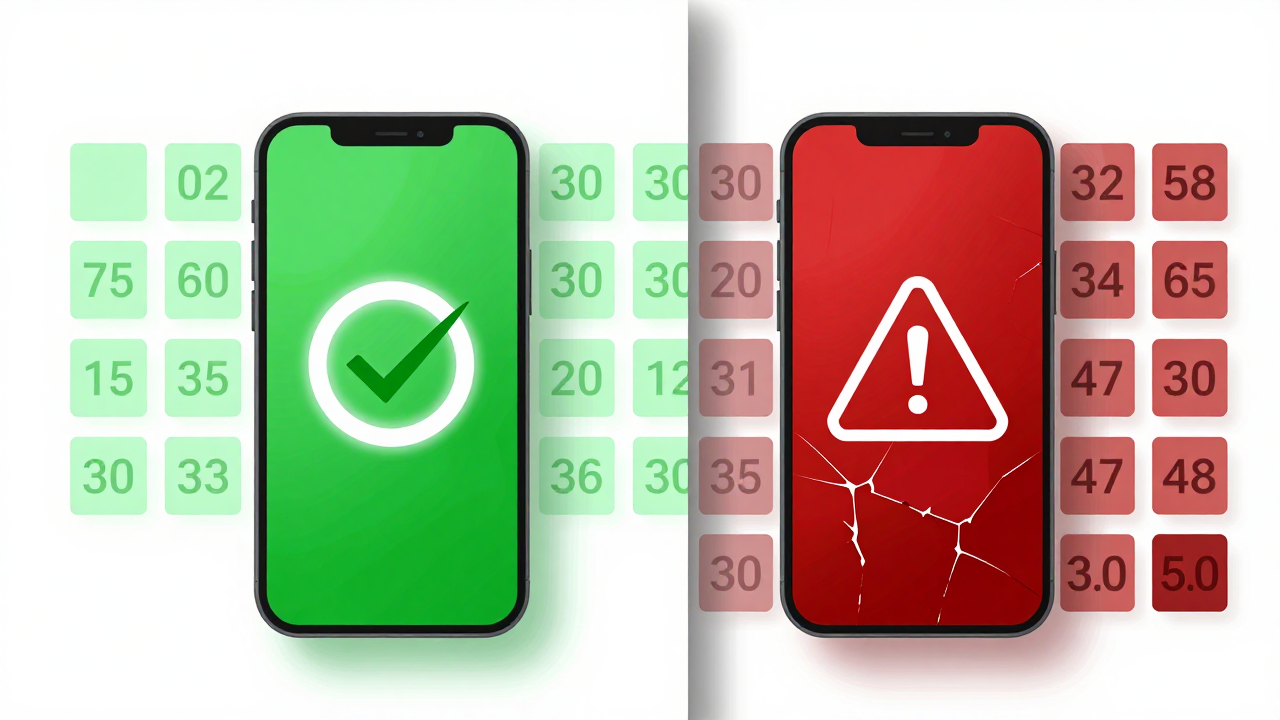
Now take a more disciplined provider. Yes, the per-code price is higher, but with success rates consistently above 90%, your total cost—including the time you save—actually comes out lower. Anyone who's been running cross-border operations for more than three months already knows this math.
One more warning: stay far away from "lifetime numbers" or "unlimited verification" gimmicks. In the SMS verification service analysis world, this is the classic trap. Those so-called permanent numbers either disappear when the platform shuts down, or they get flagged and die with zero after-sales support.
How to Vet an SMS Verification Platform Like a Pro
Here are the practical screening criteria that veteran operators pass down to each other:
- Start with a small deposit to test the waters—never go big on your first charge;
- Check whether the platform publishes success rates or recent usage history for its numbers;
- Ask about the refund policy upfront—do you get your money back or a replacement code if verification fails?
- Search community forums and discussion groups for reputation signals, especially how negative feedback gets handled;
- Prefer platforms that charge per use or per code over those that force you into prepaid packages.
From my experience, many cross-border operators eventually land on platforms like Getfollow for one simple reason: transparency. Every number's status, price, and success rate is right there on the page. You know exactly what you're buying before you commit. That kind of visibility is surprisingly rare in this industry.
Final Thoughts: Don't Let SMS Verification Become Your Weakest Link
When you step back, the SMS verification service industry is really a trust business. You're paying for peace of mind, and what you're putting on the line is your confidence in number quality. Choose right, and it becomes the quiet, dependable backbone of your cross-border operations. Choose wrong, and it turns into the most fragile point in your entire account security chain.
So don't treat SMS verification as an afterthought. Do your homework, run small-scale tests with a few providers, and find that partner who might not be the cheapest but never lets you down. Your time is the most expensive resource you have—spend it wisely.
Frequently Asked Questions About SMS Verification Services
Why do cheap SMS verification numbers fail so often?
Budget numbers are usually recycled inventory that's already been flagged by platform risk-control systems. They've been used for countless registrations, so platforms recognize them instantly and either block the code or ban the account shortly after registration.
What should I look for when choosing an SMS verification provider?
Focus on three things: number pool freshness (how often new numbers are added), success rate transparency (does the platform publish real data?), and after-sales support (refund or replacement policies when codes fail). Always start with a small test deposit before committing.
Are "lifetime number" or "unlimited verification" offers legit?
Almost never. These are classic red flags in the industry. They either disappear when the platform shuts down, or the numbers get flagged and become useless with no support available. Stick with providers that offer per-code pricing and clear success metrics.
How much should I expect to pay for a reliable SMS verification service?
Pricing varies by country and number type, but reliable providers typically charge more per code than budget options. The key is looking at total cost—including failed attempts and wasted time—rather than just the unit price. A 90%+ success rate at a slightly higher price almost always works out cheaper in the long run.