Free SMS Verification: The Hidden Backbone of Cross-Border Business You're Probably Using Wrong
Free SMS Verification: The Hidden Backbone of Cross-Border Business You're Probably Using Wrong
In two years of running cross-border operations, I've heard the same line more times than I can count: "It's just a verification code—grab any free SMS verification site and move on." People who say that usually haven't experienced the 2 AM panic of watching dozens of accounts get banned at once. Free SMS verification is a deeper game than most people realize. Let's skip the fluff and break down how this industry really works—and how to choose a service without stepping on landmines.
The "Free Lunch" of SMS Verification Usually Costs You Elsewhere
Most people first encounter free SMS verification when signing up for WhatsApp, Telegram, or TikTok. The interface is simple: enter a number, receive the code in seconds, done. But here's the industry consensus: truly free verification numbers are almost always recycled or virtual numbers—the kind that may have changed hands a dozen times before you ever see them.
I tested several popular free platforms myself and noticed a clear pattern: accounts registered with these numbers rarely survive past 72 hours. WhatsApp, in particular, has aggressive detection for virtual numbers. If the system decides you're not an active user on a physical SIM card, you'll face restrictions on messaging at best—or a permanent ban with no appeal option at worst.
Cross-border sellers consistently report that the ban itself isn't the worst part—it's the ripple effect. Say you register a TikTok account with a free verification number, nurture it for three days, then post your first video. The system flags it as "suspicious login" and blacklists the entire device fingerprint. Start over with a new number? Sorry, that phone is already on the risk-control watchlist.
Three Models of Free SMS Verification: Which One Are You Using?
Not all "free verification" services work the same way. Under the hood, there are three fundamentally different models, each with vastly different risk levels and real costs.
- Shared pool model: All users pull from the same number pool—first come, first served. These numbers are used by hundreds of people, which means any platform will instantly tag them as high-risk. Fine for a one-off test, terrible for account nurturing.
- Ad-subsidized model: The platform makes money from ads or app installs, so you get free verification codes in exchange for watching a 30-second commercial. Number quality is slightly better, but they're still public numbers, and reliability depends on luck.
- Compliant relay model: The platform partners with overseas carriers to provide genuine physical SIM numbers, with cloud-based message forwarding handled through technical integration. This model costs more—usually per-code pricing—but the numbers are clean and can support long-term binding.
Here's the takeaway: "Free" is just a customer acquisition hook. The real differentiator is number ownership and reuse frequency. I've had studio owners tell me they tried to save a few cents per code and ended up burning three WhatsApp Business accounts—each one tied to client relationships. The loss dwarfed any savings on verification fees.
Stop Treating Verification Services Like a Universal Key—These Scenarios Demand Paid Solutions
If you're running independent site clusters, managing social media account matrices, or juggling multiple store dashboards, free SMS verification is basically digging your own grave. The reason is simple: risk-control systems build a "behavior profile" for every number. A number that receives verification codes from many different platforms—or activates too quickly after registration—gets flagged as "not a real person" almost immediately.
Here's a real example. A friend of mine in cross-border e-commerce registered five Amazon buyer accounts using free verification numbers to save money on product reviews. All five were banned within a week. Worse, the same computer IP he used to log into those accounts got added to Amazon's monitoring list, and his legitimate seller account received a "linked account" warning.
Here's a practical rule of thumb: if the account you're verifying will be tied to payment methods, run long-term, or serve as your primary business account, skip free solutions entirely. Free verification is only acceptable for one scenario—registering a throwaway account you don't care about losing in three days.
Industry Reality Check: Even Paid Verification Platforms Are Consolidating—Compliance Is the Only Moat
Since 2025, major platforms have dramatically escalated their crackdown on virtual numbers. Meta, Google, and TikTok risk-control systems can now identify number sources in real time, even detecting whether a number belongs to a batch purchased by verification platforms. The result: platforms that rely on selling cheap numbers in bulk have increasingly short lifespans. They might be operating today and gone with your money tomorrow.
One platform that has maintained a solid reputation is Getfollow, which follows a compliant operating model—no shared pools, no permanent freebies. Instead, they use real overseas physical SIM resources and charge per code or via tiered plans. The advantages are clear: traceable number sources, low reuse rates, and short-term exclusive use of each number. It's not perfect—occasionally you'll hit a delay when a platform upgrades its risk controls—but overall stability is miles ahead of free options.
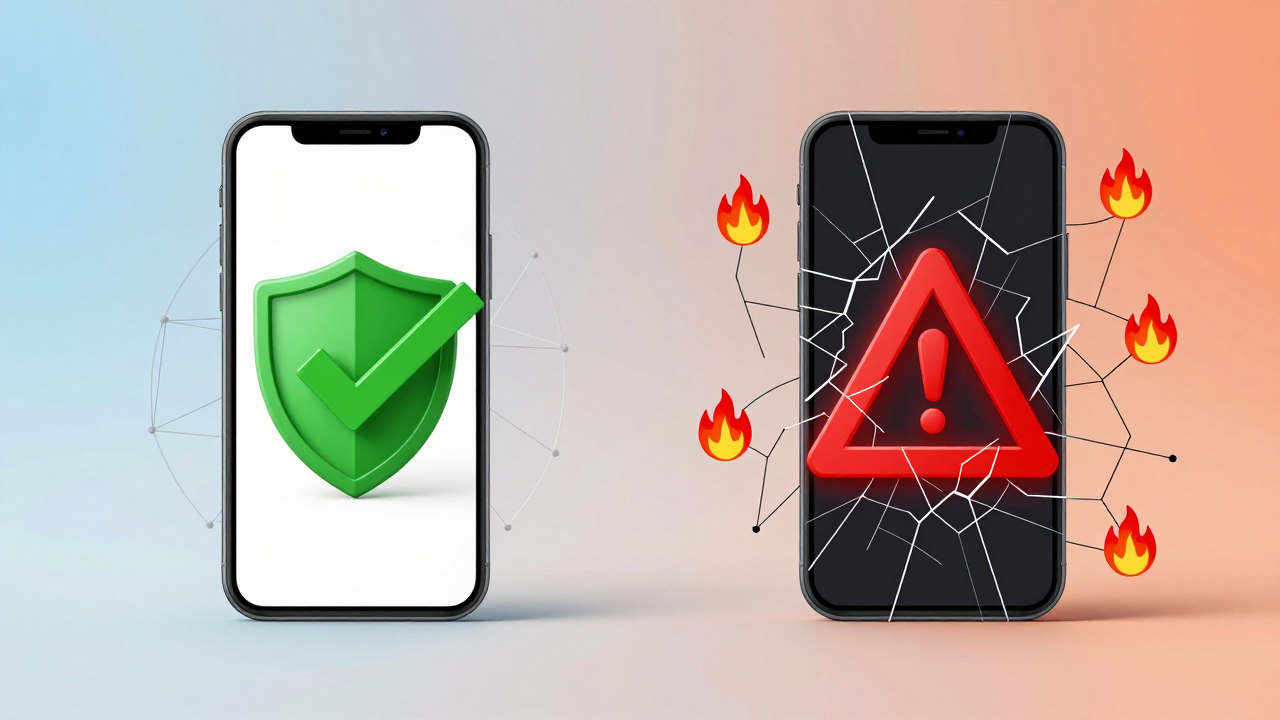
The industry consensus is clear: verification services are shifting from "gray-area tool" to "compliance infrastructure." Cross-border businesses that cling to a "save every penny" mindset will face rising hidden costs in account security down the line.
Three Hard Criteria for Choosing a Provider—Don't Just Compare Prices
Most people choose a verification platform based on one metric: price per code. That's classic penny-wise, pound-foolish thinking. Based on conversations with several leading overseas expansion teams, a reliable provider should meet at least these three standards:
- Traceable number sources: The platform should clearly tell you which country and carrier each number comes from, and ideally provide usage history. If they're vague about this, they're almost certainly selling blacklisted numbers.
- Failure compensation policy: Confident platforms offer full refunds if a code never arrives. Providers that sell numbers with zero after-sales support leave you stranded when risk-control systems block delivery.
- API stability: For studios and batch operators, manually copying and pasting codes is a productivity killer. A quality platform must offer API integration with automatic callbacks and a failure rate below 1%.
One more warning: never buy "unlimited verification" monthly plans. They sound like a bargain, but the platform will inevitably resell numbers to control costs—and your account reputation pays the price.
The Bottom Line: Test Small First, Then Commit Long-Term
Free SMS verification isn't inherently useless—it just needs the right use case. If you're a solo seller occasionally registering a random overseas account, free options will get the job done. Just mentally prepare for the possibility that your account could be reclaimed at any moment. If you're running account matrices or enterprise-level operations, go straight for a compliant paid service. And whatever you do, spend a few dollars on a small-scale test first to gauge the target platform's risk-control tolerance before committing to a long-term partnership.
One honest piece of advice to close this out: verification is fundamentally a cat-and-mouse game with platform risk-control systems. Every cent you save on verification fees could become time lost to account bans and customers lost to disrupted operations. Do the math before you cut that corner.
Frequently Asked Questions About Free SMS Verification
Is free SMS verification safe for registering WhatsApp accounts?
Not really. WhatsApp aggressively flags virtual and recycled numbers. Accounts registered with free verification numbers frequently face restrictions or permanent bans within days. If the account matters to your business, use a paid service with physical SIM numbers instead.
Why do my accounts get banned even though I received the verification code successfully?
Receiving a code only proves the number works. Risk-control systems also analyze number reputation, reuse frequency, and behavioral patterns. A number used by hundreds of people—or one that activates suspiciously fast—gets flagged regardless of whether the code arrived.
What's the difference between free and paid SMS verification services?
Free services typically use shared number pools or ad-subsidized virtual numbers, which carry high ban risk. Paid services often provide real physical SIM numbers with traceable sources, lower reuse rates, and better stability—essential for accounts that need long-term operation.
Can I use free verification numbers for Amazon seller accounts?
Absolutely not. Amazon's risk-control systems are notoriously strict. Using free verification numbers for buyer or seller accounts risks not just those accounts, but also linked accounts and even your device's IP reputation.
How do I choose a reliable paid SMS verification provider?
Look for three things: traceable number sources with clear carrier and country information, a refund policy for undelivered codes, and stable API integration with a failure rate under 1%. Test with a small purchase before committing to a larger plan.