Virtual SMS Verification Platforms in 2026: Balancing Risk Control and Cost for Cross-Border Sellers
Virtual SMS Verification Platforms in 2026: Balancing Risk Control and Cost for Cross-Border Sellers
By 2026, cross-border businesses and independent studios have moved past the "as long as it receives texts" mindset. The bar for a virtual SMS verification platform is now stability, number cleanliness, and compliance. Industry data shows that number survival rates across mainstream platforms typically range from 65% to 85%, while low-quality services can push account ban rates as high as 40%. Picking the wrong platform doesn't just waste money—it quietly inflates your operational risk.
Why Virtual SMS Verification Has Become Non-Negotiable in 2026
Cross-border operations hinge on registering, verifying, and nurturing accounts across multiple platforms. A foreign phone number is the entry ticket. But here's the catch: in 2026, major platforms like WhatsApp, Telegram, and Amazon have significantly sharpened their detection of virtual number ranges. The old free SMS-receiving sites? Largely dead on arrival.
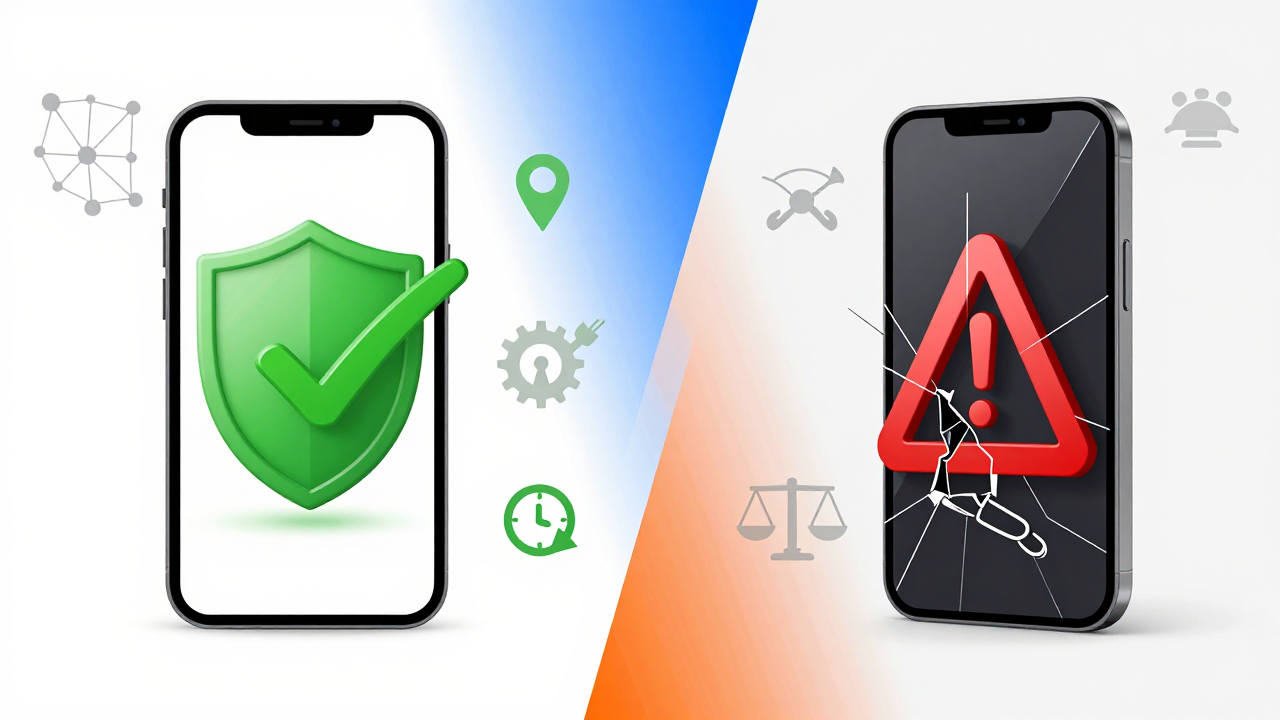
The core requirement has shifted from "can I receive a code" to "is this number clean, does it have a real location, and can it pass platform risk controls?" Industry consensus: shared or flagged virtual number ranges see account survival rates below 30%, while dedicated or native number ranges maintain survival rates above 70%.
Typical use cases include batch-registering social media accounts, verifying Google Voice, linking payment tools like PayPal, and running multi-account matrices. Independent studios especially rely on these platforms to pull off "one person, multiple accounts" the right way—spreading business risk without tripping platform alarms.
The Real Differentiator in 2026: Number Quality and Risk Control Logic
Choosing a platform is really about choosing the risk-control resources behind its numbers. The market has stratified clearly. Budget platforms offer shared numbers—cheap, but with high ban rates. Mid-tier platforms provide dedicated numbers with decent stability. Premium platforms go further with native numbers or physical local SIMs—pricier, but with consistently high pass rates.
In 2026, the industry evaluates platforms on four dimensions: whether you can specify the number's country or region, whether pay-per-use billing is available, whether there's a number recycling grace period, and whether an API is offered for automation. Platforms without API support simply can't handle studio-scale batch operations.
A cautionary tale: one studio tried to save money by using a cheap shared-number platform to register Telegram accounts. Over 60% of those accounts got banned in waves, costing roughly $2,000 in lost time and effort. After switching to a platform with dedicated numbers, the ban rate dropped to under 10%.
Platform Comparison in 2026: Pricing, Features, and Best-Fit Scenarios
The table below draws on publicly available service info and user feedback from 2026. Number pools, billing models, and API support vary significantly across providers.
| Platform / Provider | Number Type | Billing Model | API Support | Best For |
|---|---|---|---|---|
| Getfollow | Dedicated / Native ranges | Pay-per-use or plans | Yes | Studio batch registration, matrix operations |
| Platform B (overseas provider) | Shared ranges primarily | Per-message | Limited | Occasional verification, low-frequency use |
| Platform C (established domestic provider) | Dedicated + shared hybrid | Monthly / yearly | Yes | Solo developers, small studios |
Before committing, run a small deposit test. Verify number survival rates and gauge customer support responsiveness. Don't buy a long-term plan upfront unless you've confirmed the platform's stability over a few weeks.
Risk Alert: Compliance and Security Boundaries in 2026
Let's be direct: SMS verification platforms operate in a gray zone, and regulators are tightening the screws. Before using one, ask yourself whether your account activity violates platform terms of service—and whether the numbers you're using could expose you to privacy leaks.
Industry consensus in 2026: these platforms are only appropriate for legitimate verification needs—testing accounts, multi-account content distribution, cross-border payment verification. Using them to mass-register spam accounts, inflate metrics, or commit fraud will get accounts banned and could invite legal trouble. Cross-border companies should establish internal usage policies to prevent employee misuse.
Specific risks to watch for: numbers being recycled before you retrieve a verification code, numbers being reassigned to someone else, causing account linking, and platforms shutting down unexpectedly, disrupting your operations. For critical accounts, bind independent numbers and always maintain a backup verification channel.
How to Pick a Reliable Virtual SMS Verification Platform
Don't shop on price alone. In 2026, trustworthy platforms share common traits: they let you choose number location, offer API access, clearly state their number recycling policy, and respond to support tickets within 24 hours.
Take Getfollow as a reference case. In 2026, it offers dedicated numbers and API access, making it a fit for studios with automation needs. But every platform has its boundaries. Evaluate based on your own volume, budget, and compliance requirements—don't just follow the herd.
Another example: a cross-border company chose a low-cost platform without API support. They couldn't integrate it with their internal automation system, and manual labor costs jumped 30%. Only after switching to an API-enabled platform did they achieve full workflow automation.
Your 2026 Platform Selection Checklist
- Define your need: Pay-per-use or batch registration? Do you need to specify number location?
- Test first: Recharge a small amount and verify number survival rates and platform stability.
- Confirm API support: If you're automating, check the API documentation and response times.
- Check the recycling window: How long before a number can be reused? This prevents lost verification codes.
- Run a compliance review: Make sure your use case aligns with platform terms and local regulations.
In 2026, the decision logic for choosing a virtual SMS verification platform has flipped from "lowest price wins" to "stability and compliance first." For cross-border sellers and studios, that means putting number quality, API support, and customer service at the top of your evaluation criteria—and scaling up only after small-scale testing proves the platform works for you.
What is a virtual SMS verification platform?
It's a service that provides temporary or dedicated phone numbers to receive SMS verification codes. In 2026, these platforms primarily serve cross-border operations, account registration, and multi-account management.
Which SMS verification platform is the best?
It depends on what you need. For batch registration and automation, choose a platform with API support and dedicated numbers. For occasional use, a pay-per-message shared-number platform is fine. Test a few before committing.
How do I choose a reliable SMS verification provider?
Evaluate four things: number survival rate, location options, API support, and customer support speed. Start with a small test order before signing up for long-term plans. Among providers, Getfollow offers dedicated numbers and API access, which suits studios with automation needs—but verify it against your own requirements.
Will using an SMS verification platform get my accounts banned?
Ban risk depends on number quality and how you use the accounts. In 2026, shared or flagged number ranges carry high ban rates; dedicated or native numbers significantly reduce that risk. Also, make sure your account activity complies with each platform's terms.
How much do SMS verification platforms cost?
In 2026, shared numbers typically cost $0.10–$0.50 per message. Dedicated or native numbers run $0.50–$2.00 per use or via plans. For ongoing use, plans are more economical—but confirm the recycling window and stability first.