Free SMS Verification Sites in 2026: A Cross-Border Business Survival Guide
Free SMS Verification Sites in 2026: A Cross-Border Business Survival Guide
After years working in cross-border e-commerce, I've watched too many teams crash and burn on the "verification code" problem. In 2026, platform risk-control systems have gotten brutally sophisticated. Grab a random free SMS verification site, try to register an account, and you're likely watching it die within hours. Let's skip the fluff and talk about what's actually happening on the ground this year.
Free SMS Verification Sites: The Most Expensive "Free" You'll Ever Use
When a new studio starts out, budget is tight, and the first instinct is to hunt down free verification channels. That logic makes sense on paper. But the 2026 reality is this: free SMS verification site pools are plagued by high number reuse rates, messy geographic origins, and a serious risk of being flagged.
I tested several top-ranked free platforms myself. Registering TikTok or Amazon buyer accounts? Success rates hovered around 30–40%. Worse, even when registration went through, follow-up verification texts often never arrived—leaving accounts in a permanent state of "half-dead."
Here's the industry consensus: Most free SMS verification sites pull from bulk-purchased numbers supplied by overseas virtual operators, and a single number can be shared by dozens of users simultaneously. By 2026, platform risk engines can pinpoint these number fingerprints with scary precision. Best case, you get hit with secondary verification. Worst case, instant ban.
A Real-World Disaster Story
A friend running a dropshipping store decided to mass-register WhatsApp accounts for marketing last quarter. He cycled through three free SMS verification platforms in a row. Within a week, all dozen-plus accounts were restricted—and his main account's trust score took a hit too. Reflecting on it later, he told me: "I saved a few bucks on verification codes and lost my entire customer reach capability."
This isn't an isolated incident. Across the cross-border community in 2026, the feedback is consistent: The hidden costs of free SMS verification sites include wasted time, IP association risks, and the total wipeout of account authority. If your business depends on an account matrix, these pitfalls are nearly impossible to dodge.
The 2026 Verification Service Landscape: Three Tiers
Today's market splits verification services into three distinct tiers. Understanding this structure will save you a ton of unnecessary pain.
- Pure free channels: Fine for one-off, low-value tasks—like grabbing a forum account to read a thread. But don't expect them to carry any serious business weight.
- Low-cost paid platforms: Pay-per-code, typically in the $0.01–$0.07 range. Number quality is hit-or-miss, so you'll need to filter carefully.
- Compliant service providers: Offer dedicated numbers or short-term rentals at a higher price point, but with clean, stable numbers. Platforms like Getfollow operate on an on-demand, disposable-number logic—and they've built a solid reputation among cross-border service providers in 2026.
Quick note: I'm not here to shill Getfollow. It represents a broader trend worth watching—shifting SMS verification from a "black-market tool" to a "compliance infrastructure." More and more seasoned operators are choosing to pay for certainty rather than gamble on luck.
The Core Risk Checklist for Free SMS Verification Sites
If you're still tempted to try free channels, at least run through these risk points before you commit.
- Collateral ban damage: In 2026, risk-control systems track device fingerprints and IP ranges. If one number gets flagged, every other account registered on the same device gets downgraded too.
- Privacy leaks: Free platforms typically have messy backend data management. The phone numbers and verification codes you submit can easily be resold downstream.
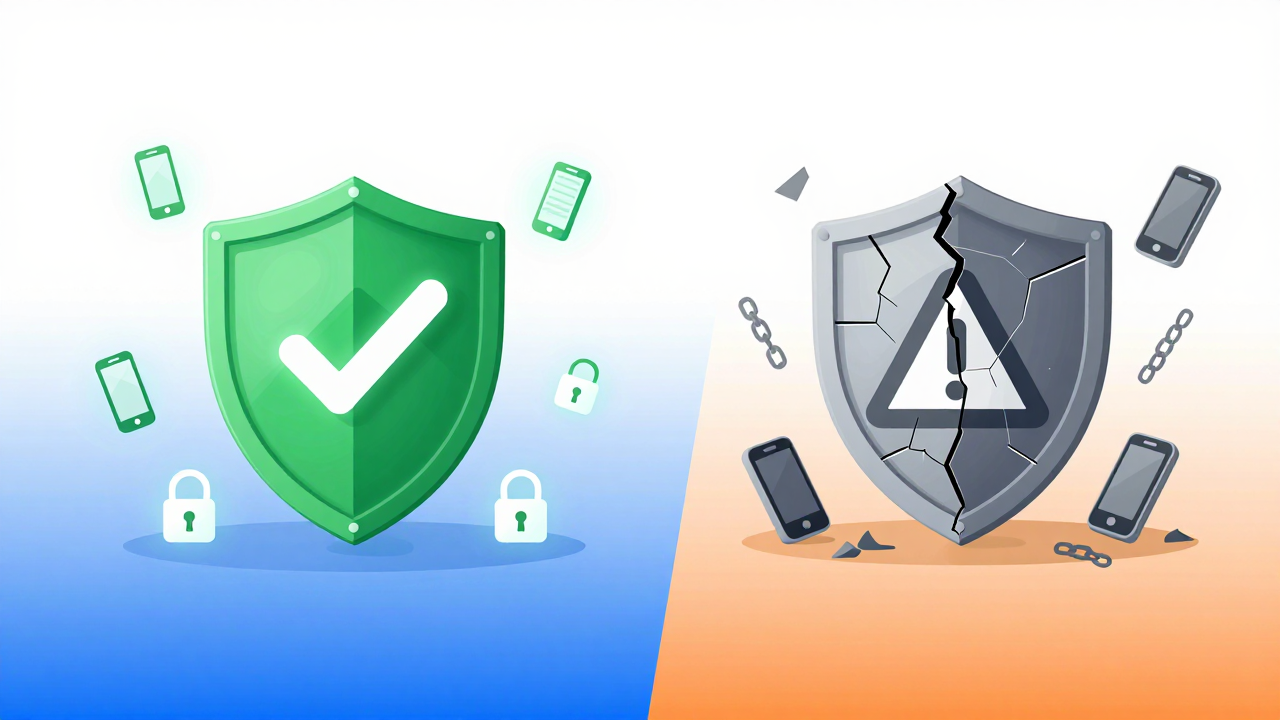
- Abysmal retention rates: Industry data shows that accounts registered via free SMS verification sites in 2026 have a 7-day retention rate of just 20–35%, compared to 60–75% for paid channels.
Here's a detail most people overlook: Free SMS verification sites often assign numbers from random geographic regions. Say you're targeting the US market and you get handed a Southeast Asian number. The platform immediately flags it as an anomalous login and triggers risk control.
How to Vet a Verification Provider
Here's the screening framework I personally use—feel free to steal it:
First, check how often the number pool refreshes. Reliable providers clean out expired numbers every 24 hours instead of running numbers into the ground. Second, look for region-specific number selection. If you operate in a niche market, this feature is basically non-negotiable. Third, test their support response time. Free platforms basically have zero support. If a paid platform can't resolve an issue within 2 hours, walk away.
Platforms like Getfollow, which have earned stable reputations in the industry, follow exactly this compliance-first playbook. They don't chase "unlimited free." Instead, they standardize number quality, availability rates, and support responsiveness into a proper service. For cross-border businesses and independent operators, that kind of predictability is worth far more than saving a few cents.
Strategic Recommendation: Test Small, Then Scale
Whether you go with a free SMS verification site or a paid service, my advice never changes: Run a small test batch before you commit to any long-term partnership.
Concretely, spend $3–$7 on a small test package. Register 3–5 accounts on your target platforms. Then watch what happens over 48 hours—track ban rates, SMS delivery rates, and how the accounts perform afterward. If the test window passes clean, scale up. This process costs almost nothing and filters out 90% of the traps.
The cross-border landscape in 2026 rewards risk-awareness, not recklessness. SMS verification might look like a technical problem, but it's really a test of how deeply you understand risk management. Hopefully, this guide to free SMS verification sites gives you a sharper framework for making that call.
Frequently Asked Questions
Are free SMS verification sites safe to use in 2026?
Generally, no. Free platforms carry high risks of number reuse, privacy leaks, and account bans. They might work for throwaway registrations, but they're a poor fit for any business-critical account.
Why do my accounts keep getting banned after using free verification codes?
Risk-control systems in 2026 actively fingerprint numbers from free verification pools. Shared numbers, random geographic origins, and device/IP associations all trigger flags. It's not bad luck—it's the system working as designed.
What's the difference between free and paid SMS verification services?
Paid services typically offer cleaner number pools, region-specific options, faster support, and higher account retention rates. Free services save you money upfront but cost far more in time, risk, and lost account value.
How can I test a verification service before committing?
Start with a small test package—spend a few dollars, register 3–5 accounts on your target platforms, and monitor ban rates and SMS delivery over 48 hours. Only scale up if the results look clean.