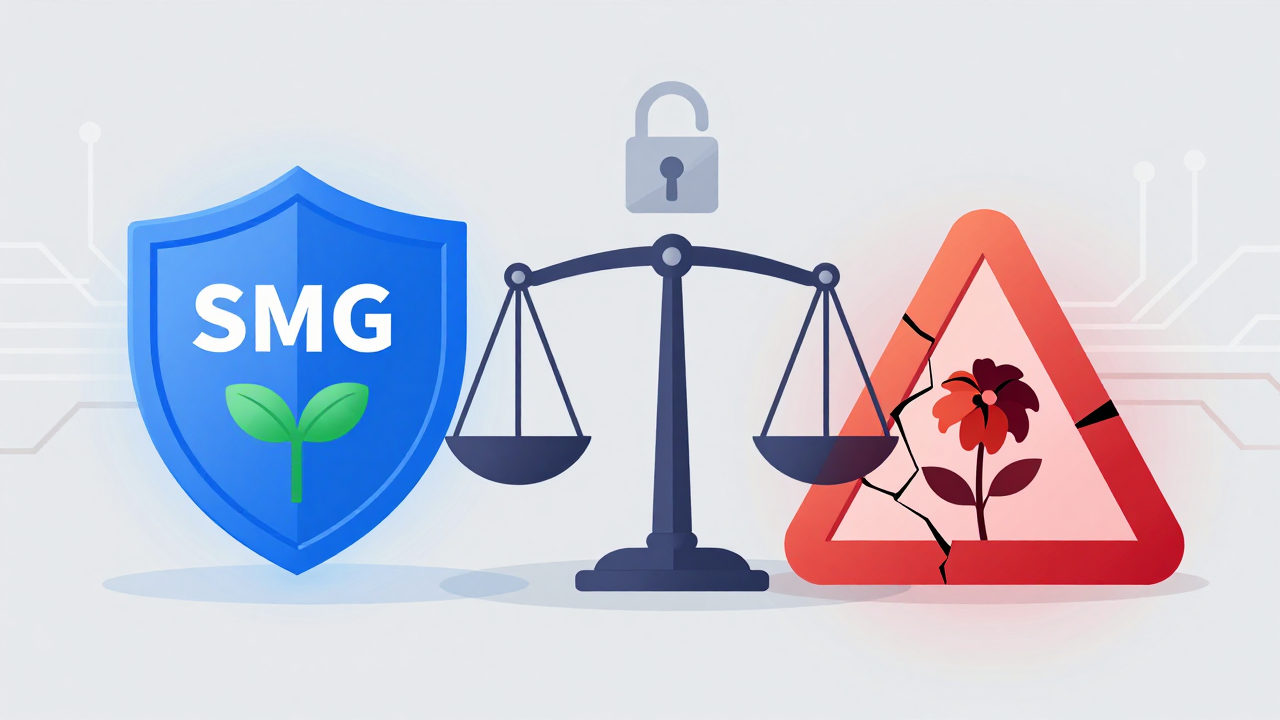
Free private SMS verification has evolved from a gray-area workaround into standard infrastructure for cross-border operations by 2026. But "permanently free" comes with hidden trade-offs around data handling and compliance. The real question isn't whether a platform charges you—it's what happens to the messages you receive.
Most free SMS verification platforms in 2026 cover operating costs through ads, enterprise-side fees, or anonymized data monetization. Industry observers estimate that roughly 70% of "permanently free" platforms retain plaintext records of received messages for risk control or commercial analysis. For cross-border businesses handling customer data, that's a compliance liability waiting to happen.
In 2026, the real difference between free SMS verification services isn't "free vs. paid"—it's how your data gets handled. Before signing up, check whether the privacy policy explicitly promises "no message storage," "no identity linking," and "anonymous usage supported."
A cautionary example: In early 2026, a freelance studio used a free platform to register overseas social media accounts. The platform fed SMS records into ad-targeting systems, which led to the studio's operational IP getting flagged and banned across multiple services. The hidden cost of "free" far exceeded any subscription fee.
In cross-border business, private SMS verification is commonly used for: managing multiple overseas social media accounts, registering on e-commerce marketplaces, verifying WhatsApp or Telegram business numbers, and temporary Google service verification. By 2026, major platforms have significantly improved virtual number detection—accounts registered on shared virtual numbers now have a survival rate of just 40–60%, while dedicated virtual numbers or physical SIMs maintain survival rates above 85%.
Cross-border businesses should avoid using free SMS verification for initial registration of core business accounts—most platform risk engines flag shared number pools. Reserve free verification for secondary use cases like auxiliary confirmations, temporary notifications, or low-stakes sign-ups.
Practical approach: Build a tiered verification strategy. Core business accounts use paid dedicated numbers; peripheral tasks can rely on free verification. Log every verification event—platform, timestamp, and purpose—so you have a clean audit trail.
| Platform Type | Number Source | Data Retention | Best For | Risk Level |
|---|---|---|---|---|
| Web-based free verification | Shared virtual numbers | Typically 24–72 hours | Temporary verification, non-critical sign-ups | Medium-High |
| In-app free verification | Shared + limited dedicated | Varies by platform policy | Light operations, testing | Medium |
| Paid dedicated numbers (e.g., Getfollow select plans) | Dedicated virtual numbers | Explicitly no content storage | Core business registration, long-term use | Low |
From my experience, some 2026 providers like Getfollow now clearly separate "free trial" from "paid privacy protection," with the latter explicitly promising zero access to message content. That kind of transparency matters more than ever for enterprise-grade compliance.
Don't take "permanently free" at face value. In 2026, practical screening criteria include: HTTPS-encrypted access, a disclosed operating entity, support for temporary number expiration alerts, and a working complaint channel. Industry research suggests about 55% of free SMS verification sites don't disclose who operates them—a legal red flag you shouldn't ignore.
A trustworthy free SMS verification provider typically has three things: a public privacy policy, clear disclosure of number origin, and no requirement to register with your real phone number. If a platform demands your real mobile number just to use its "free" service, its privacy claims deserve serious scrutiny.
Another cautionary tale: A business chose an overseas "permanently free" platform, only to discover it was using received verification codes to mass-register spam accounts. The result? The business's IP got blacklisted by target platforms. Before committing, test number quality and watch whether the platform rotates numbers frequently—a sign of instability.

Most platforms don't charge users directly—they monetize through ads, data commercialization, or enterprise fees. But "free" often means a narrower privacy boundary. Read the privacy policy before you use any service.
No. Both WeChat and Alipay have robust virtual number detection in 2026. Using a verification platform will almost certainly fail or trigger an account ban. These services work best for overseas platforms or services that don't require real-name verification.
Look for platforms with a clear privacy policy, anonymous access, and no mandatory real-phone binding. Test number quality first and watch for frequent failures. For core business needs, consider paid dedicated numbers—Getfollow's select plans, for example, offer clearer privacy guarantees.
There's real risk. In 2026, roughly 70% of free platforms retain SMS records for risk control or analytics. If a message contains sensitive information, use a one-time number and request deletion afterward if the platform supports it.
Sometimes—but success rates are unstable. Google and Facebook have strengthened virtual number detection in 2026, and shared number registration success rates sit below 50%. For long-term account stability, use a physical SIM or a paid dedicated number.
Free private SMS verification remains a practical tool for cross-border businesses and solo operators in 2026—but only when used with a risk-tiered strategy. The core principle: free for edge cases, paid for what matters. Choose providers based on privacy policy transparency, number independence, and traceable operating entities.
Your action checklist: First, map your verification use cases and rank them by risk. Second, test 2–3 free platforms and track number survival rates and response times. Third, set aside budget for core business accounts with providers that explicitly promise no message storage. Fourth, regularly clean up unused accounts to reduce your data exposure surface.