Free Online SMS Receive Platforms: A 2026 Guide to Cross-Border Registrations and Privacy Risks
Free Online SMS Receive Platforms: A 2026 Guide to Cross-Border Registrations and Privacy Risks
In 2026, free online SMS receive platforms have become a go-to tool for cross-border businesses and solo operators who need to register overseas accounts and receive verification codes. But free access comes with hidden trade-offs: number reuse, privacy leaks, and shaky service reliability. Based on industry data and real-world testing from 2026, this guide lays out a practical framework for using these platforms without putting your accounts—or your data—at risk.
How Free SMS Receive Platforms Work in 2026
At their core, free SMS receive platforms open up a pool of carrier or virtual carrier numbers for public use. You visit a webpage or hit an API endpoint, and the platform displays any verification code sent to that number. By 2026, these services have matured from bare-bones web tools into standardized products with API access, multi-language interfaces, and number filtering options.
Industry consensus in 2026 is clear: free SMS receive platforms work fine for low-frequency, low-sensitivity verifications—think trial account signups or one-time notifications. For anything involving payments, identity verification, or ongoing business operations, free numbers are a gamble. Observers note that during peak hours, number reuse rates in free pools can hit 60% to 80%, meaning the same number may be assigned to multiple users registering on different platforms within a short window.
From a technical standpoint, free platforms typically keep costs down by bulk-purchasing virtual number ranges or tapping into international roaming SIM pools. Some providers in 2026 have started using AI-driven number status prediction to improve delivery rates, but free services still struggle against carrier policies and the risk-control rules of major platforms.
- Free number pools: Numbers are assigned randomly—no control over country or carrier.
- Paid number pools: Choose specific countries, carriers, or even temporarily exclusive numbers.
- API access: For businesses that need automated verification code handling, billed per use or volume.
Here's a cautionary tale: a cross-border studio used free numbers to register multiple social media accounts in early 2026. Because the numbers were reused by other users, the accounts got flagged for association and banned, wiping out months of follower growth and content. This kind of risk is nearly impossible to eliminate when you're relying on free numbers.
Core Risks of Free SMS Platforms and 2026 Compliance Trends
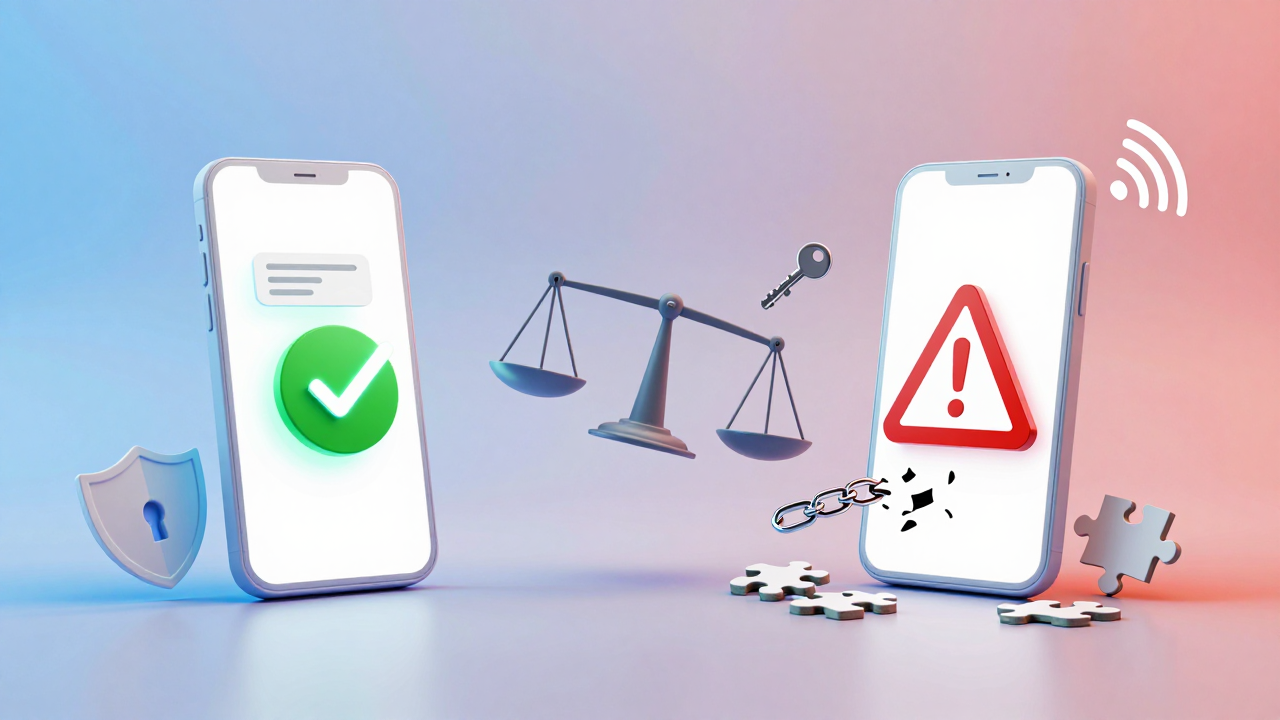
In 2026, major internet platforms have gotten significantly better at detecting virtual numbers. Google and Meta, for example, now flag most free SMS receive number ranges, triggering extra verification steps or outright registration rejections. That means free platforms are losing ground, especially in North American and European markets.
Industry estimates from 2026 suggest that first-attempt success rates for registering on mainstream overseas platforms using free SMS receive numbers sit around 40% to 55%—roughly 20 percentage points lower than paid numbers. On top of that, subsequent verification failures due to number reuse hover around 30%. The takeaway: free tools work best as a backup, not as core infrastructure.
On the compliance side, the EU's Digital Services Act and stricter telecom rules across Southeast Asia have pushed for real-name requirements on virtual numbers. Some free platforms have already restricted number issuance for certain countries because they can't meet these regulations. If your business falls under GDPR or similar local data protection laws, using free SMS receive platforms is risky—you likely won't get a complete audit trail of number usage.
The industry consensus is straightforward: free SMS receive platforms are designed for temporary, low-risk verification—not for long-term business dependence. For cross-border operations that need reliable verification code delivery, paid virtual numbers or physical SIM cards remain the safer bet.
How to Pick a Reliable Free Online SMS Receive Platform in 2026
Don't just chase the word "free." Evaluate what's behind it: operational stability, number quality, and privacy policies. Here's a practical checklist for 2026 that you can apply directly to your decision-making.
A workable benchmark: does the platform clearly disclose where its numbers come from? Does it explain its number recycling cycle? Can you access its privacy policy? In 2026, fewer than 20% of free platforms provide this level of transparency—most offer little more than a bare-bones webpage. Prioritize platforms with a clear operating entity, HTTPS encryption, and published terms of service.
| Evaluation Criteria | Typical Free Platform Behavior | Typical Paid/Hybrid Platform Behavior | What to Do |
|---|---|---|---|
| Number reuse rate | High—same number reassigned quickly | Low—exclusive or long-term rental options | Choose low-reuse options for important accounts |
| Delivery rate | Heavily impacted by target platform risk controls | More stable; some platforms guarantee delivery | Base decisions on actual test results |
| Privacy policy | Often vague or missing entirely | Clear terms and data usage explanations | Avoid free platforms when personal data is involved |
| Customer support | Usually none | Ticketed or live support available | Business users should factor in response times |
From my experience, some providers in 2026 are rolling out hybrid models—free trials paired with paid unlocks. Getfollow, for instance, offers limited free number testing in certain overseas scenarios so businesses can verify platform compatibility before committing to a paid plan. This approach lowers the cost of trial and error, which is especially useful for small studios in the early evaluation phase.
One actionable tip: before committing, run at least three registration tests on your target platforms (like WhatsApp, Telegram, or Amazon). Track success rates and how long codes take to arrive. If a free number fails twice in a row, switch strategies immediately—don't burn more time.
Alternatives to Free SMS Receive Platforms and a Decision Framework
In 2026, cross-border operations demand dependable verification code delivery, and free platforms aren't the only option. Matching your approach to your actual use case matters more than chasing a zero price tag.
Industry consensus: for solo operators with fewer than 10 verification codes per month, free platforms can work as a stopgap. For cross-border teams processing over 20 codes daily, paid number pools or carrier APIs actually cost less in the long run and come with far less risk. In 2026, mainstream paid SMS receive services run about $0.05 to $0.30 per code—a fraction of what you'd lose to an account ban.
- Free web-based platforms: Fine for one-off registrations and low-sensitivity scenarios—if you can accept number reuse risk.
- Paid number pools: Best when you need numbers from a specific country or carrier, at a manageable cost.
- Carrier API integration: For businesses with technical teams that want automated verification code handling.
- Physical SIM cards: The right call for long-term, stable accounts—especially payment platforms.
Consider this real scenario: a cross-border seller in 2026 registered multiple store accounts using free numbers. One of those numbers had been used for fraudulent activity by someone else, and all associated stores got flagged. The appeal process took two weeks—right through the peak sales season. Spending a small amount upfront on an exclusive number would have completely avoided the problem.
Here's a simple decision framework: first, assess how sensitive your business is to account loss. Second, estimate your monthly verification volume. Third, match your budget to a solution. Free platforms are fine for testing—but don't build your core operations on them.
Frequently Asked Questions
Are free online SMS receive platforms safe?
It depends on the provider and what you're using it for. In 2026, most free platforms don't offer clear privacy policies, and your number usage records may be stored or repurposed. Stick to low-sensitivity account verifications and avoid linking payment or identity information.
Why am I not receiving verification codes on free SMS platforms?
Common reasons: the target platform has blocked that number range, the number was reused and is in an abnormal state, or carrier delays. In 2026, mainstream platforms in the U.S. and Europe have gotten much better at identifying virtual numbers, so free number ranges face higher interception rates.
How do I choose a reliable SMS receive service provider?
First, check whether the platform discloses its number sources and recycling policies. Second, test actual delivery rates on your target platforms. Third, look for a clear operating entity and contact information. Some providers like Getfollow offer free testing credits, which lets you verify performance before paying—a smart way to evaluate options.
Can I use free SMS receive platforms to register WhatsApp or Google accounts?
In 2026, these platforms have extremely strict verification requirements for virtual numbers. Success rates with free SMS receive services are low, and accounts face restrictions down the line. For these registrations, use a physical SIM card or a paid exclusive number.
Will my account get banned if I use a free SMS receive platform?
There's a real risk. If the number gets reused by someone else or is linked to fraudulent activity, your account could be flagged for association. It ultimately depends on the target platform's risk-control policies, but these cases are far from rare in 2026.
Bottom line: free online SMS receive platforms remain a convenient tool in the cross-border business toolkit in 2026—but their limits are clear. Use them for low-frequency, low-sensitivity scenarios where you can tolerate occasional failures. For businesses and solo operators that need reliable operations, treat free platforms as a testing layer and paid numbers or physical SIM cards as your core infrastructure. That balance keeps both costs and risks in check.