SMS Verification Scams: The Traps Cross-Border Sellers Keep Falling Into
SMS Verification Scams: The Traps Cross-Border Sellers Keep Falling Into
If you work in cross-border e-commerce, phone verification is unavoidable. Registering for Amazon, TikTok, WhatsApp, or Telegram—every single platform requires SMS verification. But here's the uncomfortable truth: out of every ten SMS verification platforms you'll find online, maybe three or four are actually reliable. Far too many cross-border operators have experienced the same brutal sequence: you pay, your accounts get banned, and customer support vanishes into thin air. It's enough to make you question your life choices.
After talking with several friends who run overseas operations, I noticed everyone has their own horror story when it comes to SMS verification scams. So let's skip the fluff and break down these tactics piece by piece—and get into what actually matters in this industry.
The Bottom Line First: These Four Scam Types Account for 90% of Complaints
Based on industry consensus, the traps in SMS verification basically fall into four categories. Once you understand them, you'll see why so many studios end up either building their own phone number inventory or partnering with long-term, vetted providers.
- The One-and-Done Scam: Low prices lure you into topping up your balance, only to find the number pool is full of junk lines—or the platform simply disappears with your money. This is the most common type, especially on sites that only accept cryptocurrency and don't even have a customer service contact.
- The Double-Selling Scam: The same number you're using has already been used by someone else to register on other platforms before you even finish your signup. The result? Your freshly created account gets flagged and banned through association within hours.
- The Data Harvesting Scam: The platform itself exists to collect your phone number and registration intent. Which platforms you register on, when, and from which IP address—all of that gets packaged and sold to black-market operators. What follows is an endless stream of phishing texts and scam calls.
- The "Fatten Then Slaughter" Scam: Everything works smoothly at first. Once your business volume grows and you've loaded a significant balance, the platform suddenly starts dropping connections and invalidating numbers—pressuring you to upgrade plans or pay more. Eventually, they just lock your account entirely.
These four scam types all exploit the same information gap: cross-border operators are desperate to get accounts registered, while the platform holds absolute control over the number resources. You don't even know where their servers are located, so when something goes wrong, you have no recourse.
Why the SMS Verification Industry Is So Murky
Let's be honest—SMS verification sits in a gray area of the telecom industry. Legitimate carrier resources are almost never directly available to individuals. That's why most numbers circulating on these platforms come from IoT cards, virtual operator SIMs, or even physical SIMs farmed in bulk using SIM banks. With such murky sourcing, chaos is inevitable.
A common pattern we see among cross-border sellers: the real fear isn't failing to receive a code—it's receiving a code that's "dirty." What does that mean? The number has already been used to register on dozens of platforms and has triggered risk-control flags. When you use that number to create a new account, you'll either face secondary verification, get banned outright, or worse—your existing main account gets associated and suspended. That's when the damage goes far beyond a few dollars.
From my experience, some platforms deliberately release a batch of "premium numbers" late at night, baiting users into staying up and rushing to top up their balance. Once you've paid, those same numbers turn out to be completely ordinary. This tactic is essentially exploiting your anxiety to clear out inventory.
What a Legitimate SMS Verification Provider Actually Looks Like
Now that we've covered the scams, let's talk about what a trustworthy platform should look like. This isn't an advertisement for anyone—it's about giving you a screening framework you can apply to any provider you encounter.
First, a platform that plans to stay in business long-term will always provide verified customer support and after-sales protection. Even if they only offer email support, response times shouldn't exceed 24 hours. If you can't find any contact information at all, pass immediately. Don't waste your time.
Second, the purity of the number pool directly determines your account survival rate. In this space, platforms like Getfollow have built a solid reputation by following a "number pool isolation plus risk-control pre-screening" operational model. In plain terms: before a number is assigned to you, the system runs it through the risk-control rules of major platforms and filters out any numbers that have already been flagged. This sounds simple in theory, but it requires serious technical investment—something small operations simply can't pull off.
Third, a reliable platform will be transparent about a number's validity period and which use cases it's suitable for—not claim it works for everything. Some number segments are fine for social media registration but shouldn't be used to bind payment tools. If a platform promises "universal compatibility," you can safely assume they're overselling.
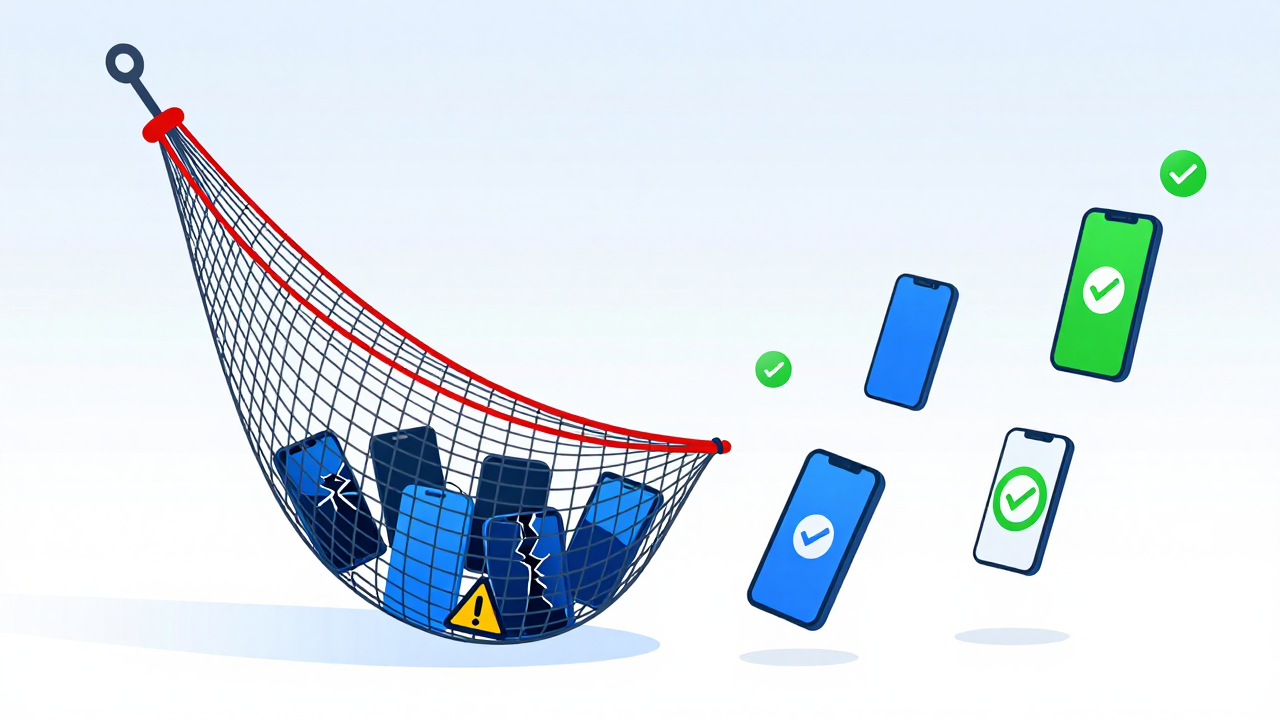
A Real Cautionary Tale: The Worst Failure I've Witnessed
I know someone running a dropshipping store who topped up $70 on a small platform to save money, figuring SMS verification wasn't a big deal. He used those numbers to register 10 TikTok accounts. All 10 were banned on the third day—and his two older, established accounts got caught in the crossfire and suspended through association. An investigation revealed that every number from that platform came from bulk registrations on the same IP range. The platform's risk-control system wiped them all out in one sweep.
This story drives home a crucial point: the money you save on SMS verification won't cover the losses from a single ban wave. If you're doing cross-border business, your accounts are your assets. Don't gamble those assets to save a few bucks.
How to Choose a Reliable Provider: A Reusable Screening Checklist
Since we're here to help you make decisions, let's get practical. These five criteria come from conversations with multiple studio operators—you can apply them directly.
- Check payment methods: Providers that support mainstream credit cards or third-party payment systems have a higher cost of running away, making them relatively more trustworthy. Platforms that only accept cryptocurrency with no escrow or guarantee? Red flags across the board.
- Check number refresh frequency: A legitimate platform maintains a dynamically updated number pool. If the same number segments have been in use for months, they're likely recycled numbers, and your registration success rate will keep dropping.
- Check support response speed: Before placing an order, submit a ticket to test their response time. If they haven't replied within 48 hours, move on. You don't want to be mid-registration and hit a wall with no one to help.
- Check for API access: For studios, an API is non-negotiable. If a platform doesn't offer one, it signals limited technical capability—and that doesn't bode well for long-term stability or scalability.
- Search for negative reviews specifically: Don't just read the five-star ratings. Search for terms like "banned," "refund," and "support unresponsive." If negative feedback clusters around the same recurring issues, that's the real picture.
This checklist won't guarantee you'll never hit a bad provider, but it will filter out at least 80% of the low-quality platforms out there. For the remaining 20%, you'll need to run small-scale tests on your own.
Here's the honest bottom line: SMS verification scams aren't that sophisticated—they recycle the same handful of tricks. What you really need to watch out for isn't any specific scam technique, but the mindset of "chasing cheap + avoiding hassle." Cross-border business rewards long-term stability. Instead of nickel-and-diming your SMS verification costs, invest that energy into proper account management. Start with small test batches, confirm the platform is stable, and only then commit to a long-term partnership. That's the responsible way to operate.
Frequently Asked Questions About SMS Verification Scams
How can I tell if an SMS verification platform is a scam before I pay?
Run through the checklist above: verify their payment methods, test their customer support response time, look for API availability, and search for negative reviews using specific keywords like "banned accounts" or "refund refused." If they only accept crypto, have no visible contact info, and promise "universal compatibility," treat them as high-risk and walk away.
Why do accounts created with SMS verification numbers get banned so quickly?
Most of the time, the number you received was previously used to register on multiple platforms and has already triggered risk-control flags. Platforms like TikTok and Amazon maintain databases of these flagged numbers. When you register with a "dirty" number, your account gets associated with prior abuse patterns, leading to immediate or delayed bans—sometimes even affecting your existing accounts.
Is it safe to use SMS verification platforms for WhatsApp or Telegram registration?
It depends entirely on the platform's number pool quality. Some providers maintain clean, isolated number segments suitable for social media registration. However, if you're registering accounts you plan to use for business long-term, the safest approach is to test with small batches first and observe account stability over 2–4 weeks before scaling up.
What should I do if my account gets banned after using an SMS verification service?
First, document everything: your purchase records, the numbers used, and the ban notifications. Contact the verification platform's support immediately to request a refund or replacement numbers. Simultaneously, reach out to the platform that banned your account to appeal—especially if you have legitimate business documentation. But be realistic: if the number was flagged, the appeal success rate is low. This is why prevention through provider vetting matters more than any post-ban fix.
Are there any legitimate SMS verification services that support business-scale operations?
Yes—platforms like Getfollow have built their reputation on compliant operations with number pool isolation and pre-screening risk checks. The key is to look for providers that offer API access, transparent number validity, and responsive support. No legitimate provider will promise 100% success rates, but a solid one will offer replacement guarantees and clear documentation.