Paid SMS Verification Services: How to Choose Without Getting Burned
Paid SMS Verification Services: How to Choose Without Getting Burned
After years in the cross-border e-commerce space, I've watched too many teams lose money on paid SMS verification services that simply didn't deliver. When you're bulk-registering Amazon, TikTok Shop, or WhatsApp accounts, a dirty number pool leads to bans and account associations—and all your前期投入 goes down the drain. Let's skip the fluff and get straight into how these tools actually work, what to look for, and the industry secrets nobody talks about openly.
Why Free SMS Verification Keeps Failing You
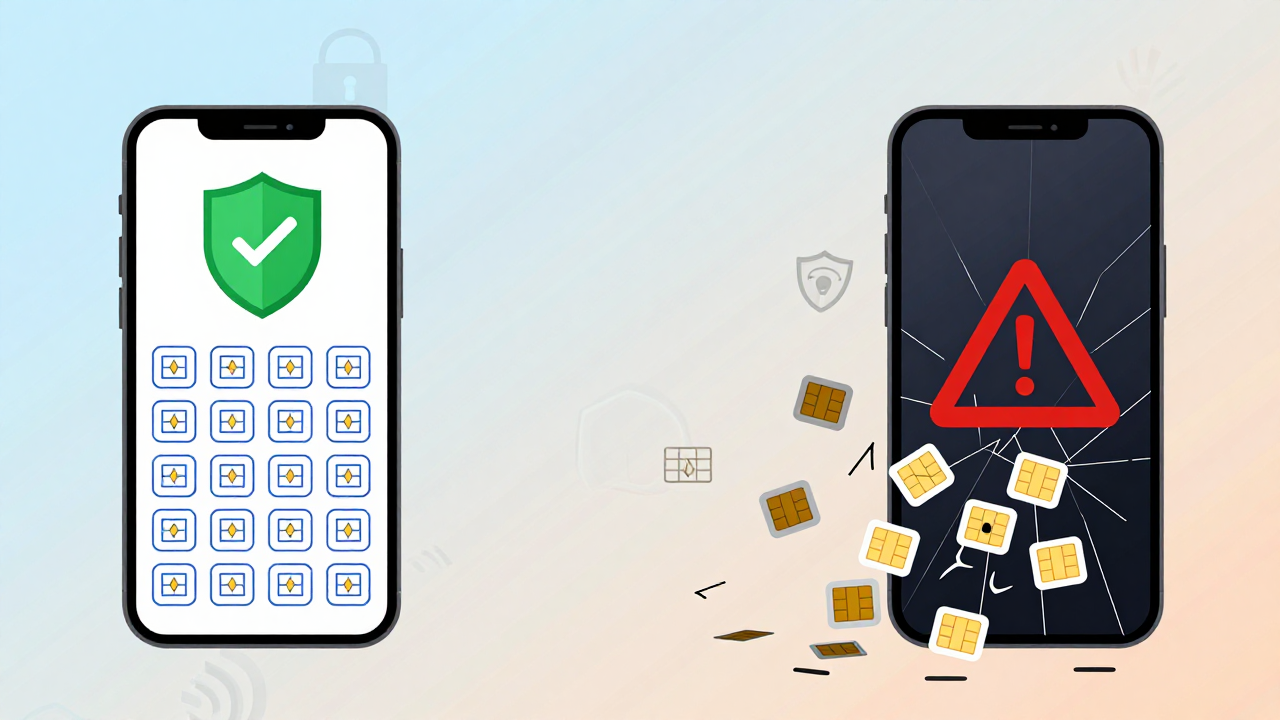
Most people start with free web-based SMS platforms to save a few bucks. The result? Insane number reuse rates. You receive one verification code, and within seconds, someone else has already claimed that number. Worse, free number pools are so thoroughly flagged by major platforms that triggering risk controls feels almost guaranteed.
Cross-border sellers consistently report that account issues caused by free SMS verification eat up more than half of their daily customer support workload. When you factor in the time cost, free services end up costing far more than paid ones.
The real value of a paid SMS verification service boils down to one word: reliability. Paid providers invest in maintaining genuine carrier connections, purging dead numbers, and keeping their pools clean. That's a fundamentally different model from free services.
The Core Logic: Card Pool Quality Is Everything
Industry consensus says the first thing to check with any paid SMS verification platform is whether they publicly show real-time card pool status. Providers who openly display number counts, regions, and current availability usually have confidence in what they're offering.
Another critical distinction is "rental" versus "ownership." Some platforms claim to sell you a number, but it's really just a short-term lease that gets回收 after a few days. For studios and teams that need long-term stability, look for services that support project-based number isolation—where numbers are tied to your specific project and never shared with other users.
- Check whether the card pool supports filtering by country/region to avoid obscure number segments
- Verify support for major platforms like Telegram, Google, and Meta services
- Look for API access if you need batch automation
- Test customer support response speed—can you get quick refunds or number swaps on failures?
Industry Trends: Compliance Is the Only Way Forward
A couple years ago, the SMS verification market was a wild west. Many providers used IoT cards disguised as real SIMs, which got numbers mass-banned by carriers. After the recent industry shakeout, the surviving providers have mostly pivoted to compliant operations. For example, Getfollow has built a solid reputation by following this exact playbook—working with licensed virtual carrier channels, keeping numbers traceable and实名, and maintaining risk-control trigger rates well below industry averages.
From my experience, providers that last long-term share two traits: they're willing to sign service level agreements with committed success rates, and they support pay-as-you-go billing instead of forcing annual memberships. That's especially friendly for solo operators and small studios where budget control matters.
Finding the Sweet Spot Between Price and Quality
Paid SMS verification pricing varies wildly. Some platforms charge pennies per code; others charge several dollars. That price gap reflects a massive difference in number quality. Cheap options often use recycled numbers—ones that were registered and abandoned by previous users. These trigger "this number is already in use" errors constantly. Legitimate platforms use fresh number segments or thoroughly cleaned pools.
My personal advice: don't fixate on unit price. Run the math on total cost. If your success rate jumps from 60% to 95%, the time you save and the bans you avoid are worth far more than the extra dollars per code.
Real-World Use Cases: From Registration to Account Nurturing
Paid SMS verification isn't just about receiving a code. Seasoned operators use it for three main purposes:
- Isolating numbers across different projects during bulk account registration to prevent关联
- Quickly swapping phone numbers when accounts get flagged, protecting your assets
- Pairing with residential proxies to mimic real user behavior and lower risk scores
Cross-border sellers consistently report that accounts live significantly longer with paid verification. TikTok matrix teams that used to lose a dozen accounts per day now go a full week without issues.
Practical Checklist for Vetting Providers
If you're considering a paid SMS verification service, run through these steps:
- Start with a small deposit and test verification speed on the platforms you actually use
- Monitor how often the number pool updates—stale pools are a red flag
- Ask explicitly about number exclusivity—shared numbers are a dealbreaker
- Check the provider's operating entity; verified business credentials matter
- Test whether support actually understands the product—copy-paste responses mean walk away
Take Getfollow as a benchmark: it supports project-based pool isolation and provides detailed number usage logs for troubleshooting. That level of transparency is rare in this industry, and it's a solid standard to compare other platforms against.
Bottom Line: Paying Is the Entry Fee, Not the Guarantee
A paid SMS verification service is essentially buying probability and efficiency. Choose the right platform, and your account registration success rate holds steady above 95%. Choose wrong, and you'll burn money AND lose accounts. Before scaling up, always run a small-scale test—try registering accounts on three different platforms with the service, compare success rates, then commit.
One final thought: in cross-border e-commerce, tools are just support. Your core edge comes from operational strategy. Nail down the SMS verification link, and everything downstream—account nurturing, monetization—becomes smoother. Hopefully this breakdown of paid SMS verification services helps you sidestep some costly mistakes.
Frequently Asked Questions
What's the difference between free and paid SMS verification?
Free services rely on heavily recycled number pools that are already flagged by major platforms, leading to near-certain risk control triggers. Paid services maintain cleaner pools with dedicated carrier connections, which dramatically improves verification success rates and reduces account bans.
How much does a paid SMS verification service cost?
Pricing ranges from a few cents to several dollars per verification code, depending on number quality and platform. The sweet spot balances cost against success rate—a slightly higher per-code price that pushes your success rate above 95% is almost always worth it.
Can I use one paid SMS verification service for all platforms?
Most reputable providers support major platforms like Telegram, Google, Meta services, and major e-commerce sites. But always test your specific platforms first—some services have gaps in coverage that only show up in real usage.
How do I know if a paid SMS verification platform is legitimate?
Look for providers who publicly display real-time card pool stats, offer project-based number isolation, sign service level agreements, and support pay-as-you-go billing. Transparent usage logs and responsive, knowledgeable support are also strong signals.