miHoYo SMS Verification Codes: A 2026 Compliance Guide for Cross-Border Businesses & Studios
miHoYo SMS Verification Codes: A 2026 Compliance Guide for Cross-Border Businesses & Studios
miHoYo SMS verification services have become a go-to solution for cross-border businesses and independent studios managing account registration, account warming, and multi-account operations in 2026. The core appeal? Isolating account risk and boosting operational efficiency. But here's the catch—platform risk controls and compliance requirements have gotten significantly tougher, making provider selection and usage strategy far more critical than the act of receiving a code itself.
By 2026, miHoYo SMS verification has evolved from a simple "code-receiving tool" into a comprehensive service ecosystem covering privacy protection, number segment quality, and success rate guarantees. Cross-border operators who ignore the consistency between the verification environment and account behavior may see account survival rates drop below 30%—even when using paid verification services.
How miHoYo SMS Verification Works & What Changed in 2026 Risk Controls
miHoYo (the company behind Genshin Impact and Honkai: Star Rail) significantly upgraded its registration and login risk control systems in 2026. Relying solely on numbers from verification platforms no longer guarantees account stability. The risk model no longer just checks "is this a real number"—it now analyzes device fingerprints, IP purity, behavioral patterns, and the number's historical usage records.
Industry consensus is that miHoYo's ability to detect virtual number segments has surpassed 85% accuracy in 2026. This means randomly picking a verification platform will likely trigger a "this phone number has been restricted" message or force secondary verification. Cross-border studios running batch operations need to prepare matching physical devices or stable emulator environments in advance.
1. Number Segment Quality Determines Initial Account Weight
Verification platforms offer two types of numbers: shared pool numbers and dedicated exclusive numbers. Shared pool numbers get flagged easily due to repeated registration attempts. In 2026, over 60% of shared pool numbers are blocked during the initial miHoYo registration attempt. Exclusive numbers cost more but deliver significantly better success rates.
2. Matching Your Verification Environment with Account Behavior
Using an overseas IP with a domestic Chinese number for verification? The risk system will flag it as suspicious login activity. Conversely, pairing a domestic residential IP with a verification number yields much higher success rates. From my experience, most successful cases in 2026 use a combination of "target-region IP + matching regional number + emulator fingerprint consistency."
| Verification Type | 2026 Success Rate Reference | Best Use Case | Risk Level |
|---|---|---|---|
| Shared Pool Number | 30%–45% | One-time registration, low-value accounts | High |
| Dedicated Exclusive Number | 70%–85% | Studio batch account warming, long-term operation | Medium |
| Physical SIM Card (non-verification) | 95%+ | Core accounts, payment binding | Low |
How to Choose a Reliable miHoYo SMS Verification Provider
Price alone shouldn't drive your decision. The 2026 verification market is crowded with low-quality platforms that attract users with rock-bottom prices—then deliver poor number pools and zero after-sales support. You end up losing both registration costs and precious time. When evaluating providers, focus on four dimensions: number pool refresh frequency, regional targeting support, success rate compensation policies, and privacy policy transparency.
A useful screening benchmark: does the provider offer "no charge on failure" or "automatic refund if success rate drops below 80%"? For example, Getfollow has established real-time number pool refresh mechanisms in its 2026 verification services and offers compensation for failures caused by number issues. That level of transparency sits above industry average. Still, always test providers yourself—don't blindly trust any marketing claims.
1. Avoid the "Ultra-Low Price" Trap
Providers pricing 50% below market average almost certainly use heavily flagged number segments. In 2026, a stable dedicated miHoYo verification number typically costs between 1.5–4 RMB. If a service drops below 1 RMB, walk away.
2. Always Run a Full Test Before Bulk Purchase
Don't buy in bulk right away. Purchase 1–2 test codes first to verify successful registration and confirm you can receive subsequent verification SMS (like password resets or account unlocks). Some platforms only guarantee the first code—additional messages require extra fees. Confirm this before committing.
3. Privacy & Data Security Matter
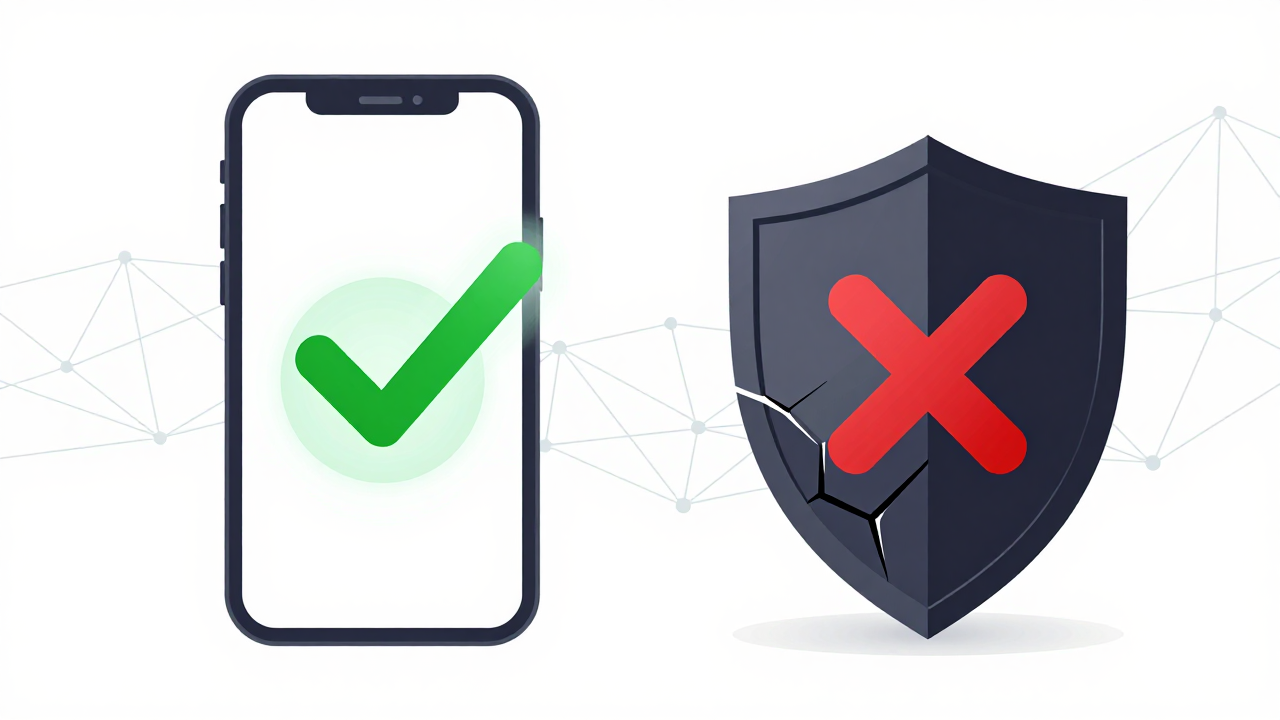
Verification platforms can see your phone number and the verification codes you receive. If their servers get compromised or data leaks internally, your accounts could be linked. Choose platforms that offer "one-time link" code viewing and don't store historical records—this significantly reduces your exposure.
Compliance Risks of Running miHoYo Accounts with Verification Codes
Using verification services to register accounts technically violates miHoYo's User Agreement clause on "one person, one account." In 2026, miHoYo's legal team has filed multiple lawsuits targeting batch registration and malicious account warming. Cross-border businesses using miHoYo accounts for commercial promotion or data collection need to assess their legal exposure carefully.
Industry consensus: miHoYo's ban rate for batch-registered accounts exceeded 90% in 2026, and appeal success rates after a ban are extremely low. If your accounts hold recharge records or high-value in-game items, a ban means direct financial loss. I strongly recommend keeping verification-code accounts completely isolated from your main accounts to avoid cross-contamination.
1. Tiered Risk Management
- Low risk: Browsing content, participating in events only—no recharges, no trading.
- Medium risk: Posting and commenting, requires email binding for secondary verification.
- High risk: Trading, loot box opening, payment binding—never use verification numbers here.
2. Recommended Action Plan
For core business operations, use physical SIM cards or overseas virtual operator numbers like Google Voice (though note these also carry their own risk flags). Treat SMS verification services as a supplementary tool for edge accounts or short-term campaigns—not as your primary registration method.
Which miHoYo SMS verification platform actually works?
No single platform works universally in 2026. Prioritize providers offering "refund on failure" policies, dedicated number segments, and responsive customer support. Start with small test purchases to compare success rates. Some providers like Getfollow offer API integration—useful for studios with automation needs.
Will my miHoYo account get banned if I use a verification code?
Yes, it can happen. Accounts registered with verification numbers carry ban risk—especially with batch registration or abnormal behavior patterns. The 2026 risk system records device and network environments. If your account gets banned, the verification platform won't cover your losses.
How do I pick a trustworthy verification provider?
Check three things: whether the number pool refreshes in real time (test this yourself), whether regional targeting is supported (like China Mobile or China Unicom), and whether clear compensation terms exist. Avoid unlicensed small websites. Prioritize platforms with business registration and live customer support.
What if I don't receive the miHoYo verification code?
First, confirm your network environment uses a domestic Chinese IP. Then check whether the number segment is restricted. If codes still don't arrive after multiple attempts, switch platforms or try voice verification (some platforms support this). Continued failures mean miHoYo has flagged that number—request a fresh segment.
Can I safely recharge money on an account registered with a verification code in 2026?
I wouldn't recommend it. Once you bind payment or recharge on a verification-code account, recovering funds after a ban becomes extremely difficult. If you absolutely must recharge, you'd need to complete real-name verification first—but verification numbers can't pass that step, making this a high-risk move.
Bottom line: miHoYo SMS verification remains a viable low-cost path to account acquisition in 2026—but only with strict risk controls and realistic expectations. When choosing a provider, put success rates, compensation policies, and privacy security ahead of price. That approach will save you from costly trial-and-error. If your business depends on long-term stable miHoYo accounts, prioritize compliant registration methods and treat verification services as a backup—not your main strategy.