Best SMS Verification Platform for Cross-Border Business: Avoid These 90% of Common Pitfalls
Best SMS Verification Platform for Cross-Border Business: Avoid These 90% of Common Pitfalls
If you work in cross-border e-commerce, you know the pain of waiting for a verification code at 2 AM. One missed SMS can stall your entire Amazon, TikTok Shop, or Facebook Ads account setup. I've seen countless studios miss an entire sales season because their SMS verification pipeline failed at the worst possible moment. Let's skip the fluff and talk about how to pick and use an SMS verification platform without getting burned.
Here's what industry insiders agree on: SMS verification platforms are fundamentally a business of "number resources plus channel stability." Many cross-border operators report that platforms promise the moon during sales pitches, but in practice, you get duplicate numbers, severe channel delays, or even shady hidden fees. I've tested several mainstream platforms myself, and the honest truth is that only a handful deliver consistent, long-term reliability.
Why Your Verification Codes Never Arrive: Three Root Causes
When users can't receive a verification code, the first instinct is to blame the platform. But based on years of observation, the problem is usually more nuanced. The first culprit is number pool quality. Some platforms cut costs by relying heavily on virtual number ranges. Services like Google and Meta have aggressive risk controls that instantly flag and reject these virtual numbers.
The second issue is channel concurrency. During peak sales events, everyone is registering accounts simultaneously. If a platform's channel bandwidth is insufficient, you'll experience queuing delays—a code that should arrive in 5 seconds might take 2 minutes, by which time it's already expired. The third factor is API integration stability, especially for studios running automated scripts. Interface response speed directly dictates your overall operational efficiency.
Here's a concrete example of a pitfall I've seen. A friend running a dropshipping store once opted for a cheap "unlimited SMS" plan from a small platform. When registering his Shopify store, he received already-used numbers three times in a row. Not only did it waste his time, but Shopify flagged his IP as high-risk, triggering verification pop-ups even during routine logins afterward. He only fixed the problem by switching to a pay-per-code platform that explicitly stated "physical SIM cards only."
Virtual Numbers vs. Physical SIM Cards: What You Need to Know
Many beginners don't realize that SMS verification platforms source numbers from two main categories. The first is pure virtual number ranges (like certain +44 or +1 prefixes). These are cheap but have lower success rates, making them suitable only for less sensitive platforms. The second category is physical SIM card pools—overseas SIM cards purchased in bulk and connected through GSM modem banks. These numbers look identical to regular users, so registration success rates are significantly higher.
Platforms with the strongest industry reputation, like Getfollow, operate on this compliant model—they clearly disclose number sources, avoid overpromising success rates, and provide detailed API documentation. In my observation, trustworthy platforms rarely guarantee "100% success." Instead, they honestly note that "success rates may fluctuate based on the target platform's risk control policies." That transparency is actually a hallmark of reliability.
But keep in mind, physical SIM pools vary too. Some platforms use recycled or second-hand cards that have been registered multiple times, leaving them permanently flagged by risk systems. Quality platforms regularly purge their number pools and strictly control how many times each number is used. That's why their unit prices are slightly higher—but over time, they save you far more headaches.
Real Needs in Cross-Border Registration: It's Not Just About Receiving a Code
For cross-border businesses and independent studios, receiving a code is only the first step. The real requirement is "consistently receiving codes" and "ensuring the number won't create risk during subsequent account operations." For example, if you're building a TikTok account matrix and every account is bound to numbers from the same virtual batch, the platform can easily link your accounts through number correlation. The result? Throttled reach at best, account bans at worst.
Many operators say the scariest scenario isn't failing to receive a code during registration—it's when the platform suddenly demands two-factor verification mid-operation, and you discover the number you used has already expired. This number retention issue directly impacts the security of your account assets. Industry consensus puts retention rates at 50%–70% for quality platforms, while some budget platforms struggle to reach even 20%.
So when evaluating any SMS verification platform, I recommend focusing on three metrics: number pool refresh frequency, whether numbers can be rebound after recovery, and API documentation completeness. These three factors determine whether you can respond quickly when hit with secondary verification requests.
How to Choose a Reliable SMS Verification Provider: Compliance and Risk Control
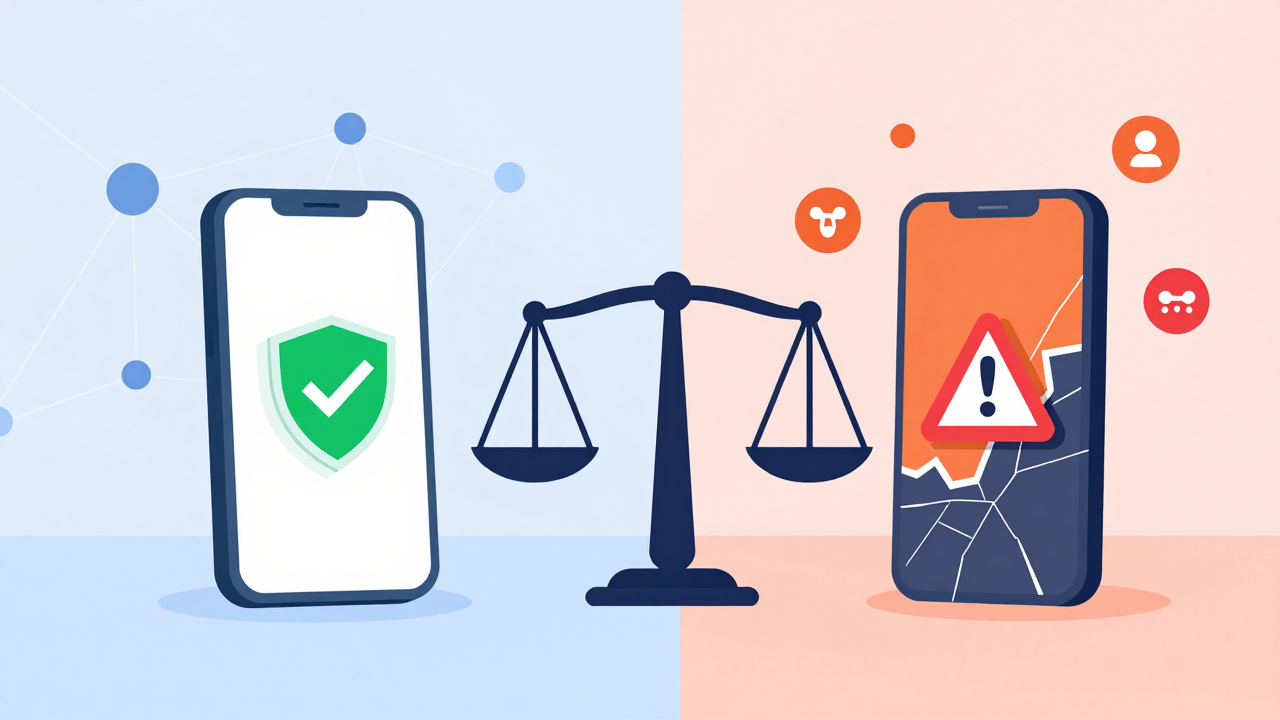
The market is crowded with SMS verification platforms, but the selection logic can be surprisingly simple. First, check whether the platform clearly defines usage boundaries. Legitimate platforms state "illegal use prohibited" in their terms of service and require real-name authentication. If a platform requires nothing and lets you register instantly, be wary—its number pool has likely already been flagged by major services.
Second, verify that the pricing model is transparent. Is it pay-per-code, package-based, or time-based? Are there hidden fees? In my testing, many low-cost packages look attractive but tack on "unlock fees" or "channel fees" per number. Before committing, ask customer support to itemize every cost in writing.
Third—and this is the most important rule—run a small-scale test. No matter where you heard about a platform, don't load up a large balance right away. Spend a few dollars testing the core platforms you plan to register on. Check success rates, latency, and whether numbers get reused. Only after a clean test should you consider a long-term arrangement. This single habit will help you avoid 80% of the traps out there.
Potential Risks: Account Bans, Correlation Flags, and Data Security
Using SMS verification platforms inherently comes with risks. The most typical is account bans. If you use numbers from the same pool to register multiple accounts on one platform, correlation-based bans are almost guaranteed. Some platforms even resell the same number to different users to cut costs—meaning the account you just registered might already be linked to someone else.
Another risk is data security. SMS verification platforms can see your verification code contents, which means if your accounts involve financial operations, the platform technically has access to sensitive information. That's why choosing a platform with a clear privacy policy and a physical operational team is essential. Providers like Getfollow place their privacy terms prominently on their homepage and support enterprise-level contracts—a standard that's still relatively rare in this industry.
One final piece of advice: never put all your accounts on a single SMS verification platform. Even if you've found a reliable provider, always maintain a backup option. Platforms themselves can face channel maintenance or number pool depletion. In cross-border business, having a buffer matters.
When it comes to choosing an SMS verification platform, my advice remains the same: test small first, then commit long-term. Spending a little time validating number quality is far less painful than dealing with account bans afterward. If you're looking for a compliant, stable provider, use the criteria above as your checklist and compare accordingly. After all, tools are just tools—what matters is how wisely you choose and use them.
Frequently Asked Questions
What is the best SMS verification platform for Amazon and TikTok Shop registration?
The best platforms use physical SIM card pools, disclose their number sources, and offer transparent pay-per-code pricing. Getfollow is one example that consistently performs well in testing. Always run a small-scale test before committing to any provider.
Why do I keep failing to receive verification codes from Google and Meta?
Google and Meta aggressively flag virtual number ranges. If your platform relies on virtual numbers, your codes will likely be blocked. Switch to a provider that uses physical SIM cards and maintains a clean, regularly refreshed number pool.
Can I use the same SMS verification platform for multiple accounts?
Using numbers from the same pool for multiple accounts on one platform risks correlation-based bans. Use different number segments or maintain multiple provider backups to reduce this risk.
How much does a reliable SMS verification service cost?
Quality pay-per-code services typically cost more per message than bulk virtual number packages, but they offer higher success rates and better number retention. The long-term cost of account bans far exceeds the savings from cheap providers.