Online SMS Verification Services: What to Do When Cross-Border Platforms Won't Send You a Code
Online SMS Verification Services: What to Do When Cross-Border Platforms Won't Send You a Code
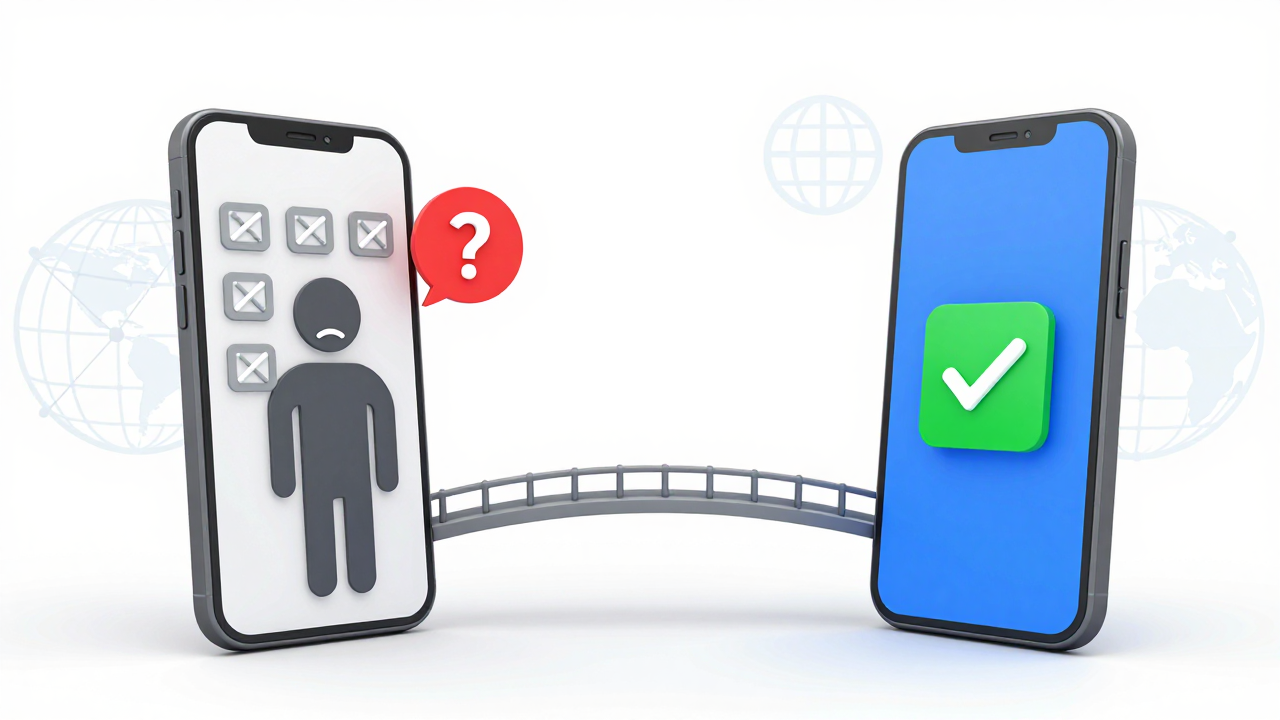
If you run an e-commerce store or manage a dropshipping site, you've almost certainly hit this wall: you're registering for an overseas account, and the phone verification step just won't go through. Chinese mobile numbers can't receive international SMS, and buying a foreign SIM card is a headache in itself. That's when an online SMS verification platform becomes a necessity. But the market is full of hit-or-miss services—some stop working after a single use, and others put your account data at risk. Let's skip the fluff and talk about how this industry actually works.
How SMS Verification Platforms Work: Three Things That Matter Most
Online SMS verification sounds technical, but it boils down to three components: number coverage, delivery channels, and reliability. Number coverage determines which countries' verification codes you can receive. The delivery channel decides whether your SMS arrives on time. And reliability directly impacts your account registration success rate. From my experience working with cross-border operators, a platform that's genuinely useful needs all three—missing any one of them is a dealbreaker.
Let's start with number coverage. Plenty of platforms claim "global coverage," but in reality, only a handful of countries actually work. If you're targeting US, UK, or German markets, a platform that can't provide numbers from those regions is essentially useless. The more reliable players in this space maintain their own number pools rather than reselling third-party access—that approach significantly reduces the chances of things going sideways.
Next, delivery channels. SMS arrival speed directly throttles your registration flow. Some platforms queue up during peak hours, and waiting five minutes for a code means it's already expired by the time it lands. Services like Getfollow have built a solid reputation here by operating direct carrier connections, keeping latency down to just a few seconds. For studios running batch registrations, the difference in experience is night and day.
Why Cheap Platforms Fail After Two Uses
Price is always the elephant in the room. You'll find SMS verification services charging just a few cents per message, but many cross-border operators have learned the hard way that these budget options recycle the same number pools repeatedly. The number you just registered with gets handed to the next person, platform risk controls flag it immediately, and your account gets banned within hours. That's not saving money—that's planting landmines for yourself.
People who know the industry look at one metric above all: number survival rate. That's the percentage of times a number can receive verification codes before getting blacklisted by the target platform. Industry consensus puts anything below 60% survival in the "scam" category. Legitimate platforms maintain survival rates above 85%, which costs a bit more per message but works out cheaper in the long run.
Freelancers and Enterprises Need Different Things From a Verification Platform
If you're a solo operator running social media account matrices or review accounts, your priorities are volume, cost-efficiency, and batch processing. That's where the API integration of an online SMS verification platform becomes critical. Can it connect to your automation scripts? Does it support bulk number retrieval? These questions determine your workflow efficiency. Many studios rely on Getfollow's API because the documentation is clear and integration takes minimal effort.
Cross-border enterprises, on the other hand, care more about compliance and customer support. E-commerce businesses maintaining long-term overseas accounts need number stability—it's directly tied to store security. At this level, you can't just look at price. You need to verify whether the platform's number sources are legitimate and whether they have transparent risk control mechanisms. There's an unwritten rule in this industry: platforms that openly disclose where their numbers come from are almost always the trustworthy ones.
One thing worth mentioning: some platforms advertise "permanent numbers," but they're actually using virtual number ranges that fail verification on banking or payment platforms. The services that actually work use physical SIM card pools—real SIM cards inserted into hardware. It's costlier, but the pass rate is dramatically higher. How do you tell the difference? Look for platforms that offer refunds on failed verifications. If they're confident enough to guarantee that, they've got the infrastructure to back it up.
The Hidden Traps Beyond Receiving SMS
Beginners tend to focus only on whether they can receive the code, overlooking privacy and security. Some smaller platforms log your registration information and even sell account data on the side. That's not scaremongering—there have been several large-scale data breaches in this industry. When choosing an online SMS verification platform, always review the privacy policy. Make sure they explicitly state they don't store message content or keep user activity logs.
Customer support speed matters just as much. Imagine running a data batch at 2 AM, a number fails, and there's no one online to help. It's a nightmare scenario. The more professional providers in this space now offer 24/7 support. They might not respond instantly, but at least you're not left hanging. Getfollow has a decent track record here, with ticket responses typically arriving within ten minutes.
How to Tell If a Verification Platform Is Legit: Three Checks
First, verify that number coverage matches your target markets. Don't take "global coverage" at face value—ask for the actual number list and check whether your target countries are included. Second, look for free test credits. Reputable platforms always offer one or two free test messages so you can experience the latency and success rate firsthand. If a platform won't even offer a test, pass on it. Third, check whether billing is flexible. Per-message pricing versus subscription plans, and whether you can pause anytime—these details determine your financial exposure.
Here's the industry consensus: the best online SMS verification platform isn't the cheapest or the most expensive—it's the one that fits your specific use case. Individual operators should prioritize value, while enterprises should prioritize compliance and reliability. Don't blindly follow trends.
If you're currently looking for a dependable verification service, start with a small test batch. Experience the actual performance before committing to a long-term partnership. When it comes to account security, you can never be too careful.
Frequently Asked Questions
Why can't I receive international verification codes on my Chinese phone number?
Chinese mobile numbers are typically not enabled for receiving international SMS messages. Most overseas platforms also block Chinese number ranges due to fraud prevention measures. This is why an online SMS verification platform with foreign number coverage is necessary for cross-border account registration.
What's the difference between virtual numbers and physical SIM card pools?
Virtual numbers are software-based and often fail verification on strict platforms like banks or payment processors. Physical SIM card pools use actual SIM cards inserted into hardware, which pass verification much more reliably. The trade-off is cost—physical SIM pools are more expensive to operate, so the per-message price is higher.
How many times can one number be reused for verification?
It depends on the platform's survival rate. Quality providers maintain survival rates above 85%, meaning a number can typically receive multiple codes before getting flagged. Low-cost platforms often recycle numbers excessively, leading to rapid blacklisting and account bans.
Is it safe to use online SMS verification services?
It's safe if you choose the right provider. Look for platforms with transparent privacy policies that explicitly state they don't store SMS content or user logs. Avoid unknown services that offer suspiciously low prices—they may be collecting and reselling your data.