Virtual Phone Number SMS Verification: The Hidden Backbone of Cross-Border Business in 2026
Virtual Phone Number SMS Verification: The Hidden Backbone of Cross-Border Business in 2026
After years in the cross-border e-commerce space, I've watched too many teams trip over something as seemingly simple as receiving SMS verification codes. Either the code never arrives mid-registration, or freshly warmed accounts get flagged by platform risk controls. In 2026, this overlooked piece of infrastructure has quietly become the first make-or-break checkpoint for anyone running an account matrix at scale.
New solo operators often start by using their personal numbers to sign up for overseas services. The first few registrations go smoothly—then around the fifth or sixth platform, codes slow to a crawl or you get hit with "this number has already been used." That's not bad luck; it's platform risk controls hard-limiting how many accounts can link to a single number.
The Real State of SMS Verification in 2026: Free vs. Paid
Let's talk about free SMS receive services first. By 2026, the free sites still standing mostly monetize through ads and user data. You save a few cents, but your number gets recycled constantly, verification delays stretch from seconds to minutes—or codes never arrive at all.
Worse, these public numbers are often used by hundreds of people to register the same platforms simultaneously. The result? Any account tied to that number carries an automatic "high-risk" tag. At best, verification codes never show up. At worst, your account gets banned within hours of successful registration.
Industry consensus is clear: in 2026, free SMS verification has become nearly unusable—especially for strict platforms like WhatsApp, Telegram, and TikTok. Practitioners report account survival rates below 30% with free numbers. Honestly, it's a waste of time.
Paid SMS verification platforms operate on a completely different model. They build private number pools through carrier partnerships, offering dedicated or semi-dedicated numbers. These numbers have longer retention windows and aren't reassigned to different users within short timeframes.
I've personally tested the major paid platforms on the market, and the differences are significant. Some claim "global coverage" but only actually support a handful of countries. Others look polished but run out of number inventory during peak evening hours in Western time zones.
What Actually Matters When Choosing a Provider: Survival Rate Over Price
Most cross-border newcomers compare prices first when picking an SMS verification service. That's the biggest mistake you can make. In 2026, a single number costs anywhere from a few cents to a couple of dollars—but the real differentiator is how long the accounts registered with those numbers actually survive.
Here's a concrete example. A friend running overseas social media matrices bought 100 cheap numbers from a small platform to register TikTok accounts. Three days later, almost all of them were banned—only 7 survived. He switched to a different provider, paid roughly double per number, and his account survival rate jumped to over 80%.
So when evaluating any SMS verification provider, I recommend focusing on three things:
- Number Exclusivity: Is it a dedicated number or a shared one? Dedicated means the number serves only you during its validity period, which naturally boosts verification success rates.
- Number Pool Refresh Frequency: Does the provider regularly purge numbers flagged by risk controls? If the pool is full of "dirty" numbers, even the cheapest price is money down the drain.
- Platform Coverage: Does it support all the platforms your business actually uses? Many providers only cover the top few platforms and offer poor support for niche services.
Platforms like Getfollow have built a solid reputation in the industry by following this exact playbook—transparent pricing, real-time number status updates, and deep experience navigating bulk registration risk rules. I'm not telling you to go buy from them; I'm suggesting you use them as a benchmark to measure how professional other providers really are.
The Deeper Logic of SMS Verification in 2026: Compliance vs. Risk Control
What many people don't realize is that the SMS verification industry is essentially a race against platform risk-control algorithms. By 2026, these systems have evolved to judge whether an account is "real" by analyzing registration behavior, usage frequency, and activity levels of linked accounts across multiple dimensions.
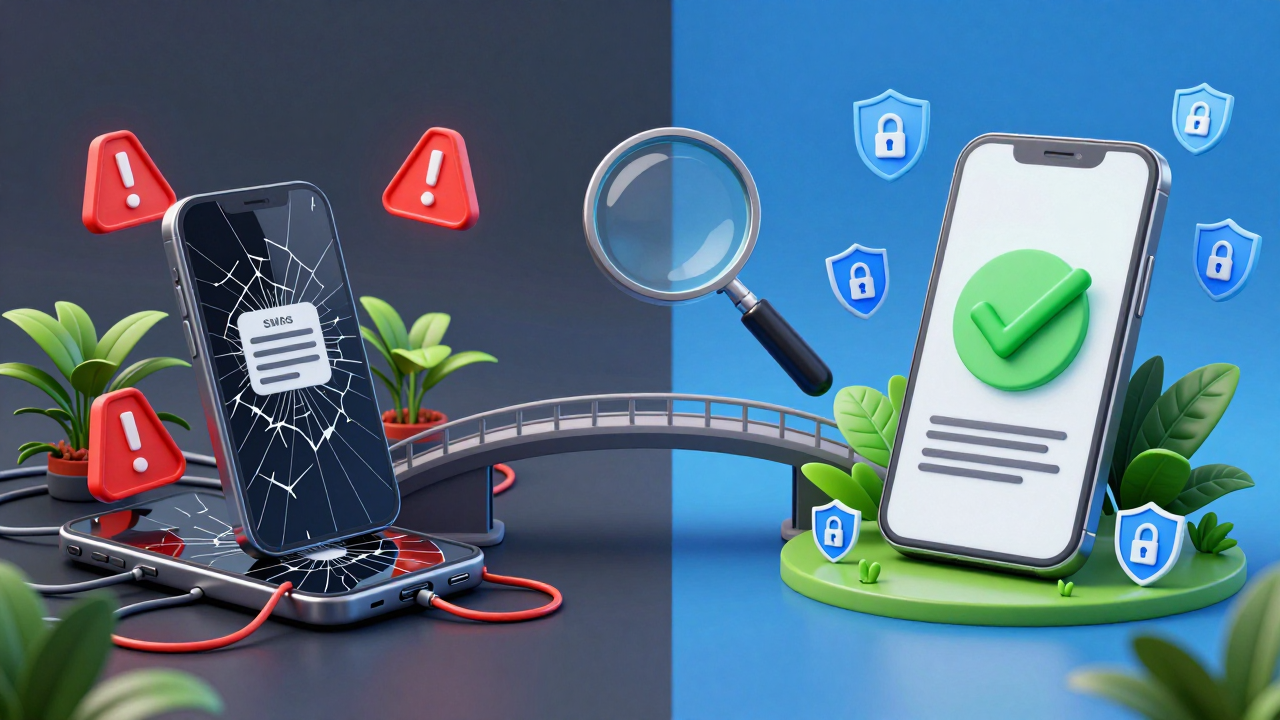
That means buying a number and receiving a code is no longer enough. You also need to consider the "account warming environment." For example, if you register WhatsApp with a number but the IP address is a data center IP, or the device fingerprint looks abnormal, you'll still get restricted.
This is why truly reliable SMS verification services in 2026 are closely tied to account warming solutions. Some providers offer clean IP recommendations as part of their service, or directly advise which number segments work best for specific platforms' registration strategies. This kind of deep support is the most valuable part of any purchasing decision.
Industry observers note that cross-border businesses have shifted from buying SMS verification "by volume" to "by project plan." In other words, providers need to tailor number strategies and cost estimates based on your specific use case—social media marketing, e-commerce registration, or messaging app verification.
Potential Risks and How to Cut Your Losses: Test Small Before Scaling
No matter which provider you choose, you need to be aware of these risks:
- Mass Ban Fallout: If a provider's number pool gets flagged by a platform, all accounts registered through it can be banned simultaneously.
- Retention Rate Fluctuations: Industry-wide retention in 2026 sits between 50% and 70%, but varies wildly by platform. Telegram tends to have higher retention, while some social platforms' strict review processes can push retention below 40%.
- Support Response Speed: When code delivery fails, can you get a quick refund or replacement? This small detail can determine whether your project timeline gets held hostage.
My advice: no matter how good a provider's marketing sounds, spend a few dollars on a small-scale test first. Buy 5 to 10 numbers, register the platforms you actually need, and monitor account status for 24 to 48 hours. If the survival rate is acceptable, then scale up. This approach eliminates over 90% of the risk of getting something that doesn't match the description.
SMS verification in 2026 is no longer a simple tool choice in the cross-border ecosystem—it's the first line of defense for your account asset security. Spending more time understanding a provider's underlying logic matters far more than blindly comparing prices.
Remember: your account matrix is your digital asset. Don't let a subpar SMS verification service become the weakest link in your business chain.
Frequently Asked Questions
Is free SMS verification still worth trying in 2026?
Not really. Free services recycle numbers constantly and those numbers are usually flagged as high-risk by major platforms. Account survival rates typically fall below 30%, so you're better off investing in a paid service if you're serious about account longevity.
How much does a virtual phone number for SMS verification cost?
Pricing varies by platform and country, typically ranging from a few cents to a couple of dollars per number. Dedicated numbers cost more but offer significantly better success rates. Always test with a small batch before committing to a large purchase.
Which platforms have the strictest verification requirements?
WhatsApp, Telegram, and TikTok are generally the most aggressive with risk controls. They analyze not just the number itself but also IP quality, device fingerprints, and usage patterns. Make sure your provider can support these platforms specifically.
Can I use the same number to register multiple accounts?
No. Using the same number across multiple accounts on the same platform will trigger risk controls almost immediately. Each account should have its own dedicated number to avoid association flags.
What's the typical account survival rate with paid SMS verification?
Industry averages range from 50% to 70%, but this varies significantly by platform and provider quality. Top-tier providers with clean number pools and proper warming environments can achieve survival rates above 80%.
Three Title Options for This Article
- Virtual Phone Number SMS Verification: The 2026 Cross-Border Business Essential
- SMS Verification Services in 2026: How to Choose Without Getting Burned
- The 2026 Guide to SMS Verification Platforms: Survival Rates, Costs, and Pitfalls