Free SMS Verification Code Tools: What Cross-Border Sellers Need to Know Before Choosing One
Free SMS Verification Code Tools: What Cross-Border Sellers Need to Know Before Choosing One
If you're running an e-commerce business or building independent sites, you've probably got a free SMS verification tool or two saved on your phone. Registering for Amazon, TikTok, WhatsApp, or Telegram—every single one of them throws a text verification code at you before you're in. But here's the thing: plenty of people wake up one day to find yesterday's working number won't receive anything today, or worse, their freshly registered account gets flagged by risk control within hours. That's not a tool problem—that's the entire verification industry shifting under your feet.
The Real Cost of Running a Free SMS Verification Platform
Most people assume verification platforms just buy a pile of SIM cards, plug them into a server room, and wait for texts to roll in. If it were that simple, half these platforms wouldn't vanish overnight. A single physical SIM that reliably receives international SMS costs anywhere from a few cents to several dollars per month in carrier fees. Now multiply that by thousands of active numbers a platform needs to keep online—just the card costs alone are staggering. Add server bandwidth, API maintenance, and constant risk-control updates, and you have to ask: where's that money coming from?
The free platforms you see today basically survive three ways:
- Using free access as a funnel, then charging for premium memberships and API calls
- Sharing the same number pool across tons of users to spread out costs
- Running shady ads on the side—these are the riskiest ones and might disappear any day
Industry veterans all know the same truth: free tools either cap how many times you can use them or give you low-quality numbers. Registering for a random forum? A free number might get the job done. But if you're setting up an Amazon seller account or PayPal, using a public number that hundreds of people have already cycled through is basically painting a target on your back—risk control flags you instantly.
Why Your Free SMS Verification Tool Keeps Failing to Receive Codes
It all comes down to how "clean" the number is. Anyone who's been in the cross-border game for a while knows that how many times a number has been registered and how many accounts it's been linked to directly determine whether it'll actually receive verification codes. To cut costs, many free platforms assign the same number to multiple users within a single day. One person uses it to register for a platform, and the next person tries to register for the same platform with that same number—of course the system locks down.
On top of that, some platforms skimp on expenses by using virtual or VoIP numbers. These simply don't pass verification checks at banks or payment processors. They might work fine for a social media account, but the moment you try something involving money, you'll hit an "invalid number" error.
From my experience, something interesting has happened over the last two years: more and more cross-border operators are willing to pay for verification services. Not because they have money to burn, but because the time lost to account bans and failed appeals costs far more than the service fee itself. Platforms like Getfollow have built a solid reputation in the industry by doing things the right way—regularly cleaning their number pool, allocating numbers on demand, and maintaining stable APIs. It's not completely free, but at least you won't get cut off halfway through a registration.
Free vs. Paid SMS Verification: What's Actually Different
Speaking from my own experience—back when I tried to save a buck with a free platform to register a Google Voice account, I burned three days and cycled through seven or eight numbers before Google flagged me for suspicious activity and blocked my IP. Later, I switched to a pay-per-use tool and finished the whole thing in five minutes, with the ability to pick the number's region—US, UK, Singapore, whatever I needed.
That's not to say paid is always better. It's about knowing what your situation calls for:
- Occasional forum sign-ups or grabbing a promo—free platforms work fine, just don't link them to anything important
- Building social media account matrices or batch account farming—you absolutely need dedicated numbers, or linked-account bans will hit you fast
- Registering payment or banking accounts—don't cheap out here. Use a reputable provider's dedicated numbers for a much higher first-attempt success rate
A common pattern we see across the industry: what actually matters in a verification service isn't "free"—it's "reliable." You don't need a hundred numbers that work for one day. You need one stable number that lasts six months. The technical side of that involves constantly refreshing the number pool, syncing risk-control rules in real time, and maintaining compatibility with each platform's verification system. That's not something a solo developer or a garage operation can pull off.
How to Tell If a Verification Platform Is Worth Your Time
After years in this space, I've narrowed down a few simple criteria that tend to separate the good from the bad:
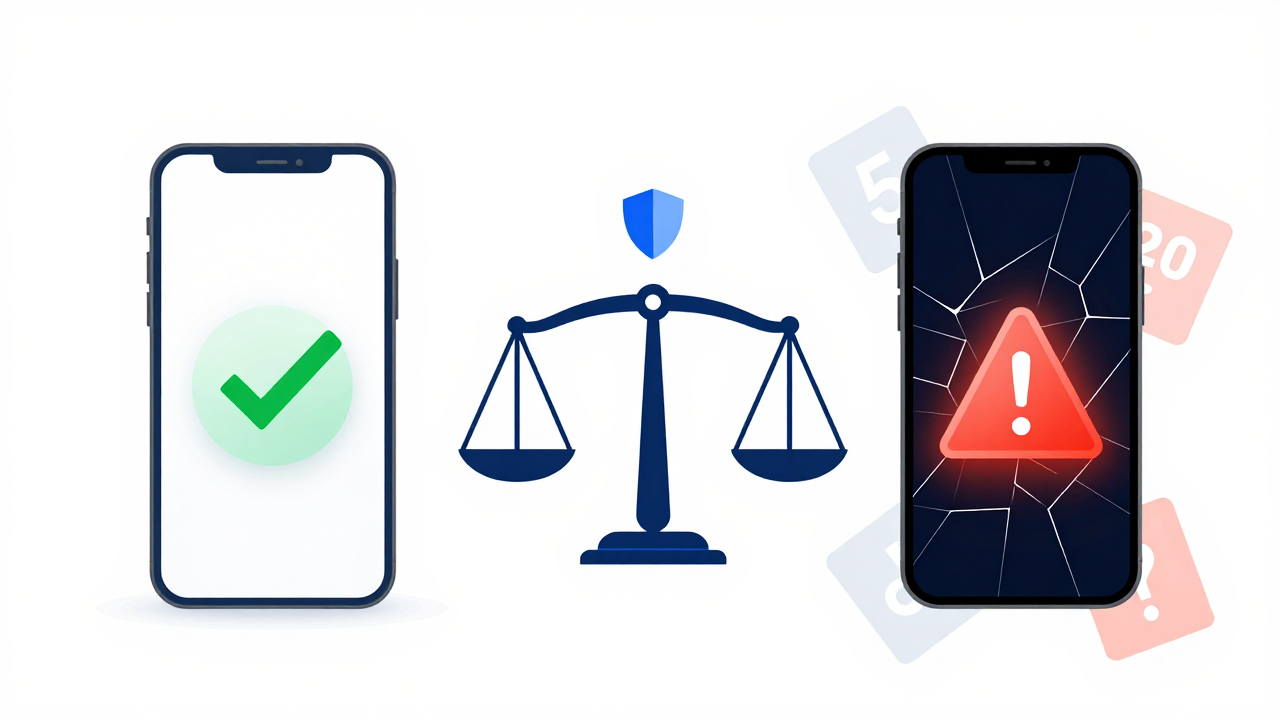
First, look at how long numbers stay alive. If a platform's numbers work today and die tomorrow, its SIM sources are unstable and it could shut down at any moment. Legitimate platforms clearly label a number's validity period and sell short-term and long-term numbers separately.
Second, check which platforms it supports. If it only handles WeChat or QQ, there's not much technical depth there. If it covers international platforms like WhatsApp, Telegram, Signal, Amazon, and PayPal, that tells you the team is actively maintaining their integrations.
Third, see if there's actual customer support. Free platforms basically have none—when something breaks, you're on your own. A service that offers human support, or even guarantees refunds if you don't receive a code, at least signals they're in it for the long haul.
Worth mentioning: platforms like Getfollow have earned their reputation in the community largely because they treat verification as an ongoing service rather than a quick cash grab. Of course, every platform fits certain use cases better than others—pick based on what you actually need.
Where Free SMS Verification Tools Are Headed
Honestly, completely free verification platforms are going to keep disappearing. The reasons are pretty straightforward: carriers are cracking down harder on bulk SIM management, the cost of maintaining large number pools keeps climbing, and platform risk-control systems are getting smarter by the day. The era of "one number for everything" is over.
The future is clearly heading toward tiered services: basic free quotas for light users, and stable dedicated numbers for professionals. For cross-border businesses and solo operators, instead of bouncing between free tools and account bans, do the math—a reliable verification tool costs about the same as a cup of coffee per month, but the time it saves and the account security it provides are worth far more than that.
Here's the bottom line: free SMS verification tools aren't useless—you just need to know their limits. Registering a throwaway account or grabbing a one-time code? Fine. But for anything tied to your core business, find a dependable provider and pay a little for peace of mind. Because when your account gets locked and appeals go nowhere, you'll realize those few dollars you saved were never worth it.
Frequently Asked Questions
Are free SMS verification code tools safe to use?
Free tools work for low-stakes registrations like forums or social media accounts you don't care much about. But for anything involving money or important business accounts, they carry real risks—shared numbers, unstable availability, and no support if something goes wrong. Treat them as a convenience, not a foundation.
Why do free verification numbers fail to receive codes?
Most of the time it's because the number has been overused. Free platforms assign the same number to many users to cut costs, so platforms like Amazon or PayPal flag it as high-risk. Some free services also rely on virtual numbers that payment systems reject outright.
What should I look for when choosing a verification code service?
Three things matter most: how long numbers stay active, which platforms the service supports, and whether real customer support exists. A platform that clearly labels number validity, covers major international services, and offers human assistance is far more likely to stick around.
Is paying for SMS verification codes worth it?
For occasional low-risk registrations, no—free is fine. But if you're registering payment accounts, building social media matrices, or managing business-critical profiles, paid services with dedicated numbers save you time and prevent costly account bans. The cost is minimal compared to what you lose when an account gets locked.