Understanding SMS Verification Flow: A Practical Guide for Cross-Border Businesses
Understanding SMS Verification Flow: A Practical Guide for Cross-Border Businesses
When cross-border professionals first come across an SMS verification flow diagram, the typical reaction is: "It's just receiving a code—how complicated can it be?"
But from my experience testing these services, there's a lot more to it. Between choosing a platform, assessing number quality, and understanding the full verification process, there are three potential roadblocks. Any misstep can mean failed verification at best, or a permanently banned account at worst.
How to Read an SMS Verification Flow Diagram: Three Core Steps
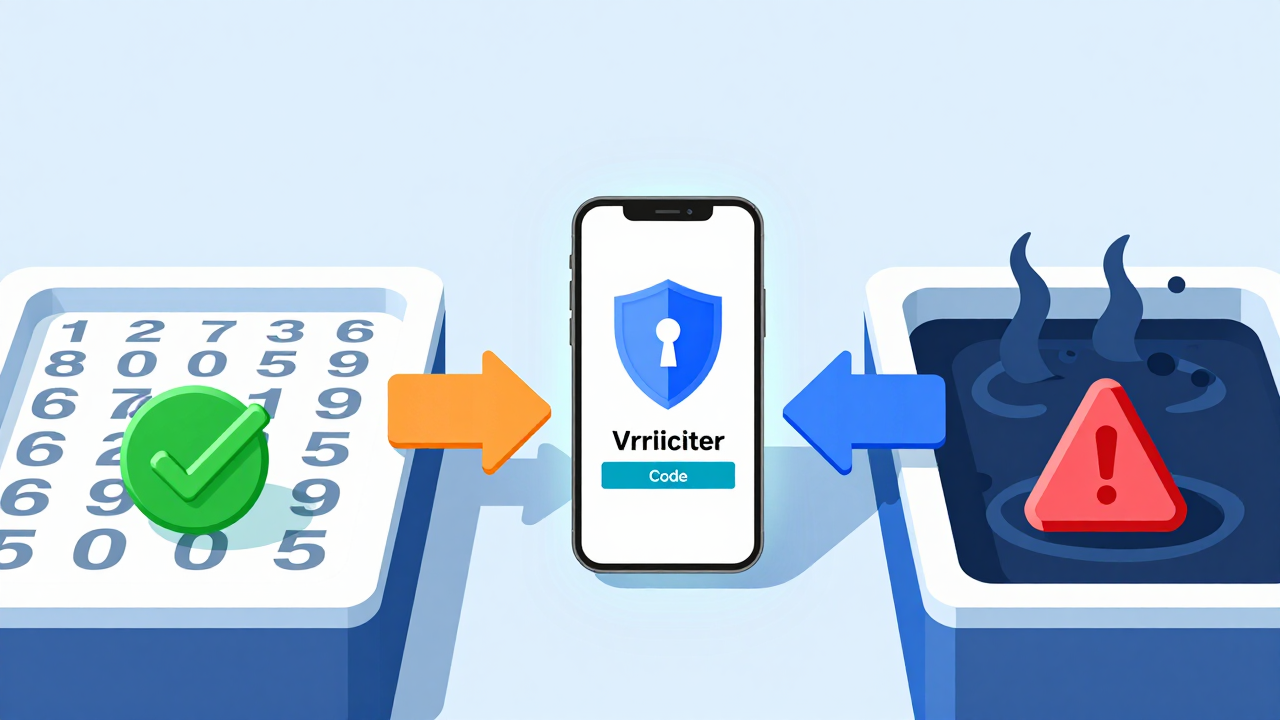
A standard SMS verification flow diagram covers three key stages: number acquisition, message reception, and code submission.
Most beginners focus only on the "receiving the SMS" step, overlooking both the quality of the number pool on the front end and the response time on the back end. Industry consensus suggests viewing the complete flow this way:
- Number Acquisition: Platforms purchase numbers in bulk from carriers and virtual operators. Physical SIM numbers cost more but offer better stability, while virtual operator numbers are cheaper but more likely to trigger fraud detection.
- Message Reception: Once a number is assigned to your project, the platform monitors incoming messages in real time. The key metrics here are "delivery rate" and "latency."
- Code Submission: Some advanced platforms offer API-based automatic submission, eliminating manual copy-paste. In manual mode, expect an average turnaround of 10 to 30 seconds.
From my observations, many cross-border sellers stumble at the very first step—they choose budget virtual numbers and immediately trigger risk controls when registering on Amazon, forcing a video verification that could have been avoided. That's a lesson you only want to learn once.
The Current Landscape: Three Types of SMS Verification Services and Real Retention Rates
Today's SMS verification providers generally fall into three categories: free crowdsourced platforms, pay-per-use services, and enterprise-level API providers.
Free platforms seem appealing, but their number pools are heavily shared. A single number might be used by dozens of people simultaneously, leading to low delivery rates and a high risk of account association bans.
Pay-per-use platforms offer more flexibility and suit individual operators. Pricing typically ranges from $0.01 to $0.07 per message, depending on how strict the target platform's fraud detection is. For instance, WhatsApp verification codes usually cost more than codes for standard forum registrations.
Enterprise API providers deliver more stable number resources and automated integration capabilities. Platforms like Getfollow have built a solid reputation in this space by following a compliant operational model—isolated number pools, API callback support, and failure compensation. These services are best suited for teams registering more than 200 accounts daily.
Regarding retention rates, feedback from cross-border professionals shows: free platforms typically retain 30%–50% of their numbers, paid platforms reach around 70%, and enterprise API providers often promise 90% or higher. But here's the catch—retention rate doesn't equal success rate. Some platforms count "message received" as success, even when the verification code gets filtered or arrives too late to use.
A Real-World Failure: A $700 Lesson in SMS Verification
I once helped a friend who runs a TikTok Shop troubleshoot his registration issues. He was using a small verification platform that charged just $0.007 per message.
On the surface, all codes arrived as expected. But within three days of registration, his accounts were gradually throttled. Backend data revealed he'd been assigned numbers from a "secondhand" pool—the previous user had likely been banned for fake engagement, flagging the entire number segment with the platform.
After switching to a provider with isolated number pools and running the same process again, his accounts stabilized. That $700 lesson drives home a crucial point: verification isn't just about receiving a code—the number's history directly determines your account's long-term fate.
Before you register, here are three steps worth taking:
- Ask the provider for proof of number location to confirm it's not from a high-risk region
- Test whether the number supports two-factor authentication (like Google Authenticator binding)
- Swap the verification number for a new one immediately after registration to reduce future risk
How to Choose a Reliable Provider: Four Evaluation Criteria
Since you're here with a clear purpose, let's get straight to the selection process. I've developed a practical framework you can apply directly.
| Evaluation Criteria | Key Questions | What to Watch For |
|---|---|---|
| Number Pool Isolation | Are numbers exclusive to you or shared with others? | Ask for screenshots of their number pool monitoring system |
| Pricing Transparency | Do they refund failed attempts? Any hidden fees? | Start with a small deposit to test for surprise charges |
| API Stability | What's the response time? Do they support callbacks? | Check their historical uptime and status page |
| Risk Control Handling | How do they manage numbers flagged by platforms? | Confirm whether they offer compensation for losses |
Many cross-border operators say their biggest fear isn't verification failure—it's the provider disappearing overnight. I'd recommend prioritizing providers that have operated for over two years, have a clear legal entity, and support corporate bank transfers. Platforms like Getfollow, which follow enterprise-grade compliance practices, tend to offer more reliable risk management and customer support.
Potential Risks and Mitigation Strategies: Bans, Low Retention, and Number Contamination
The SMS verification industry has more depth than most people realize. Beyond the number contamination issue mentioned earlier, two other high-frequency risks deserve your attention.
Risk One: Platform risk control updates causing mass failures. For example, when Meta platforms updated their fraud detection in late 2025, a large number of virtual operator numbers were blocked. Many smaller providers couldn't keep up, leaving their users facing widespread registration failures.
Risk Two: Numbers used for illegal activities creating liability. If a provider doesn't screen users carefully, the numbers you receive may have been used for mass spam account creation, causing the entire number segment to be blacklisted by target platforms.
The mitigation strategy is straightforward: test with small volumes before committing long-term. Start with a $7–$15 deposit, test different platforms and number segments, track the success rates, and only scale up once you have solid data. This habit alone can help you avoid 90% of the pitfalls.
Common Misconceptions About SMS Verification Flow Diagrams
When reviewing verification flow diagrams, most people overlook one critical detail: "message received" doesn't equal "verification successful."
Some providers show screenshots where the SMS has clearly arrived, but during actual verification, the number fails because it's been flagged. When evaluating flow diagrams, focus on three things: whether the number type is labeled (physical SIM vs. virtual), whether failure handling mechanisms are shown, and whether timing expectations are clearly stated.
From my experience, truly professional providers voluntarily note things like "this number doesn't support Platform X" or "expected success rate: XX%," rather than vaguely claiming "supports all platforms." That level of transparency is rare in this industry—and it's exactly what you should look for.
Final Thoughts: Verification Is a Means, Not an End
An SMS verification flow diagram is just a tool. What actually determines your cross-border business success is number quality, platform stability, and your operational strategy.
One last piece of advice: no matter which provider you choose, start with a small test to confirm number quality and platform reliability before scaling up your investment. In cross-border business, stability beats speed every time.
If you're currently evaluating SMS verification providers, print out the four criteria from this article and score each candidate side by side. Compare a few options, run multiple tests, and you'll quickly see which platforms are building for the long term—and which are just chasing quick profits.
Frequently Asked Questions
What is an SMS verification flow diagram?
An SMS verification flow diagram is a visual guide showing how a verification code travels from a platform to your phone number and back. It typically illustrates three stages: number assignment, message delivery, and code submission. Understanding these diagrams helps you evaluate whether a verification service will actually work for your specific use case.
How much does SMS verification cost?
Pricing varies significantly by provider type. Free crowdsourced platforms cost nothing but come with high failure rates and account risks. Pay-per-use services typically charge between $0.01 and $0.07 per message, depending on the target platform's security level. Enterprise API providers usually require a subscription or volume commitment but offer better success rates and support.
Why do my verification codes fail to arrive?
Failed delivery usually stems from three causes: the number has been flagged by the target platform's risk control system, the number comes from a shared pool where other users triggered bans, or the provider's infrastructure has high latency. Testing a small batch first can help you identify which issue you're facing before committing significant resources.
Is SMS verification legal for cross-border account registration?
Using SMS verification services is generally legal, but it depends on your specific use case and the terms of service of the platforms you're registering with. Some platforms prohibit using virtual numbers for account creation. Always review the target platform's terms and ensure your usage complies with applicable laws in your jurisdiction.
What's the difference between physical SIM numbers and virtual numbers?
Physical SIM numbers come from real carrier networks and offer higher stability and lower fraud flags, but cost more. Virtual numbers are cheaper and easier to obtain in bulk, but are more likely to be flagged by platform risk controls. For high-stakes registrations like payment platforms or major social networks, physical SIM numbers are usually worth the extra cost.