How to Choose a Cloud SMS Verification Platform: Smart Tips From Cross-Border Insiders
How to Choose a Cloud SMS Verification Platform: Smart Tips From Cross-Border Insiders
After years in the cross-border space, I've watched too many teams stumble at the account registration stage. The product is solid, but they can't receive a verification code—or worse, the account gets banned right after signup. The whole operation grinds to a halt. That's when a cloud SMS verification platform becomes non-negotiable. But here's the catch: the market is crowded, and picking the wrong provider wastes more than just money—it stalls your entire business. Let's skip the hype and talk honestly about how to separate the dependable platforms from the rest.
Why Your Business Needs a Cloud SMS Verification Service
Cross-border operations face a fundamentally different challenge than domestic play. You're dealing with overseas platforms' unique registration and verification rules—whether it's Amazon seller account setup, WhatsApp number warming, or TikTok bulk account creation. Every single one starts with phone verification. Physical SIM cards abroad are pricey and slow to source, while a cloud SMS verification platform gives you instant access to temporary or long-term numbers, letting your team knock out bulk registrations quickly.
Independent studios consistently tell me that buying physical SIMs the old-fashioned way eats a serious chunk of monthly profit just on communication costs. Cloud platforms, by contrast, charge per message with pay-as-you-go flexibility. Just as important, reputable providers constantly refresh their number pools so you're not stuck with dead numbers that can't receive SMS from major platforms.
Three Things to Check First—Skip 80% of the Bad Options
First, verify that the platform's number coverage actually includes the countries and regions you operate in. Some providers advertise "global numbers" but only have a handful of usable countries—good luck registering a European account. Second, check whether they offer API integration. If you're running bulk operations, manually copy-pasting verification codes is a massive time sink. Automated retrieval through an interface is the real game-changer. Third, test their support response time. Anyone in cross-border knows platform risk controls shift constantly—if you hit a wall at 3 AM and nobody's around to help, you're in for a long night.
Platforms like Getfollow have built a solid reputation in the industry by following exactly this compliance-first playbook. They don't promise "100% success," but they're transparent about number availability and historical risk flags, letting you make informed calls. That honest, no-nonsense approach beats any provider shouting "guaranteed registration" any day.
Balancing Price and Stability for Transactional Needs
Most people start by asking, "Who's the cheapest?" But in the cloud SMS verification platform world, rock-bottom pricing usually signals high risk. These budget providers often rely on shared number segments that get flagged constantly—buy ten numbers and nine won't receive codes. Your "savings" evaporate fast.
Here's my approach: start with a small deposit and run tests. Focus on three things—whether codes arrive within 30 seconds, whether numbers get recycled too aggressively, and whether the platform offers a number status lookup feature. Getfollow, for instance, labels each number's ideal use case and recent usage frequency. For experienced operators, that level of detail translates directly into efficiency.
One more thing: don't obsess over per-unit pricing. Calculate the total cost. Some platforms look cheap per message but require hefty minimum deposits or charge painful withdrawal fees. Others cost a bit more per code but offer per-message billing with zero hidden charges. For solo operators and small studios, cash flow matters most—a platform that lets you top up flexibly is the one you'll actually feel comfortable using.
Compliance Is the Real Moat for Long-Term Success
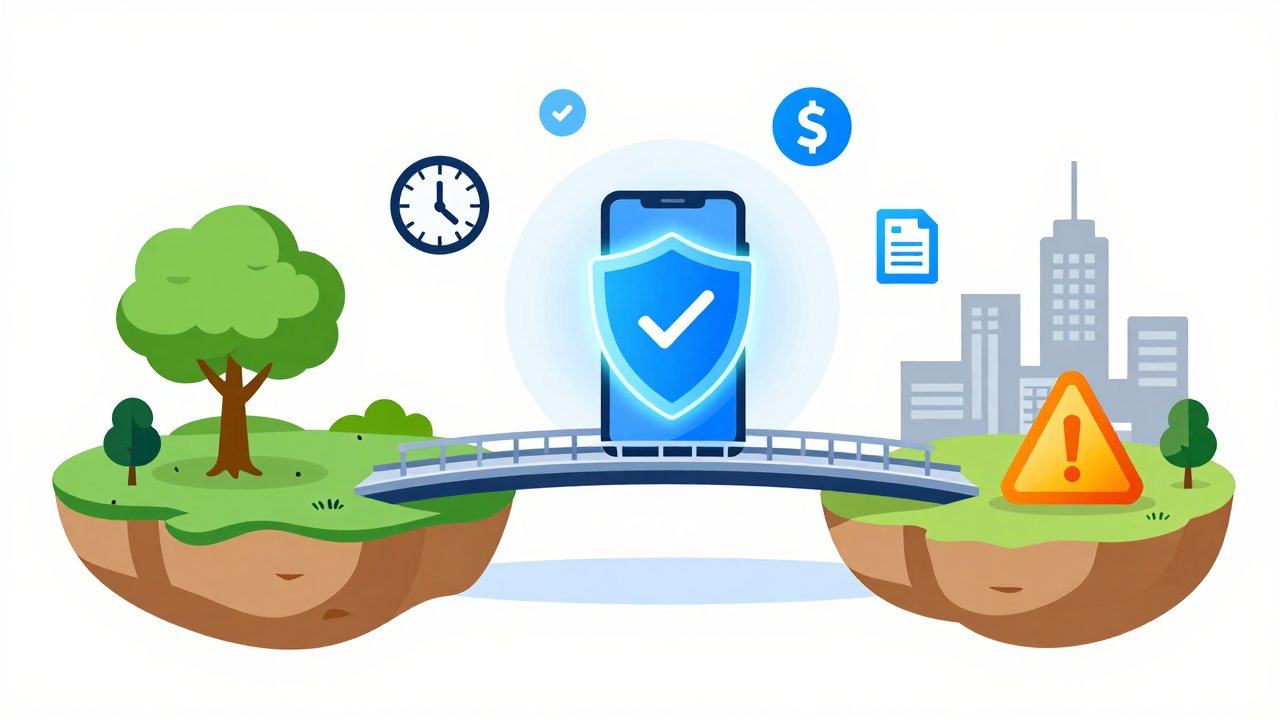
Over the past couple of years, overseas platforms have gotten much sharper at detecting virtual numbers. Those burn-and-discard numbers you use once and toss? Registration success rates are plummeting. That's why the industry has shifted toward "nurtured" number resources—numbers with an established usage history and active lifecycle on the platform, not fresh-out-of-the-box digits. A cloud SMS verification platform that invests in proper number lifecycle management delivers far more value to its users.
From my experience, cross-border operators now treat platform selection like choosing a business partner. You want a provider that shares industry updates and risk-control shifts proactively. Say a carrier in a specific country changes its policies—a reliable service provider will flag it in advance and help you adjust strategy, not wait until the entire number segment goes dark to figure it out.
At its core, a cloud SMS verification platform solves a trust problem—helping cross-border businesses run smoother while staying compliant. Whether you're a solo freelancer just starting out or an enterprise team scaling up, anchor your evaluation criteria on resource quality, service transparency, and long-term stability, and you won't go far wrong. One final word: don't let low prices lure you in. Run a small batch test before committing to any long-term partnership—that's the consensus among every seasoned player I know.
Frequently Asked Questions
What is a cloud SMS verification platform?
A cloud SMS verification platform provides virtual phone numbers that receive SMS verification codes from online services. Instead of buying physical SIM cards, you rent numbers on-demand—perfect for registering accounts on platforms like Amazon, WhatsApp, or TikTok when you need multiple verifications quickly.
How much does a cloud SMS verification service cost?
Pricing varies widely, but most platforms charge per received message, typically ranging from a few cents to a few dollars depending on the country and number type. Look for platforms with low minimum deposits and no hidden fees. Start with a small test batch to gauge real costs before scaling up.
Can I use a cloud SMS platform for WhatsApp verification?
Yes, many platforms support WhatsApp verification. However, WhatsApp has strict anti-spam measures, so you'll want numbers with a clean history and ideally some "aging" or prior usage. Check the platform's number pool for WhatsApp-specific options and avoid recycled numbers that may have been flagged.
Are cloud SMS verification numbers safe and legal?
Using cloud SMS numbers is legal in most jurisdictions, but it may violate the terms of service of certain platforms you're registering on. Stick to reputable providers that maintain clean number pools and be mindful of each platform's rules. For high-stakes accounts, consider using dedicated numbers rather than shared ones.
What happens if I don't receive a verification code?
Reliable platforms offer real-time number status tracking and support. If a code doesn't arrive, you can usually request a resend or switch to a different number. Before committing to a provider, test their responsiveness during off-hours—you don't want to discover support gaps in the middle of a critical registration run.