Second-Gen SMS Verification Platforms Are Reshaping Cross-Border Business: Why Choosing the Wrong Provider in 2026 Costs More Than You Think
Second-Gen SMS Verification Platforms Are Reshaping Cross-Border Business: Why Choosing the Wrong Provider in 2026 Costs More Than You Think
If you work in cross-border e-commerce, you've probably noticed something frustrating this year: account registrations are getting rejected more than ever. It's not just stricter platform reviews—the entire risk-control logic has shifted. By 2026, algorithms can pinpoint the subtle differences between a temporary number and a real user device. Many teams are still relying on outdated verification methods, and the result is a vicious cycle: register one account, get it banned, watch your budget go up in smoke.
From my experience observing this industry, there's a clear dividing line forming. In the past, the competition was about who had the biggest number pool. Now, it's about who has the cleanest one. That shift is exactly why second-generation SMS verification platforms emerged—not as a simple upgrade, but as a complete overhaul of how things work under the hood.
Where First-Gen SMS Platforms Actually Fail
Let's address the elephant in the room that many operators don't want to talk about. In 2026, the so-called "first-generation" platforms still active today share three fatal flaws. First, number reuse rates are through the roof. When hundreds of users cycle through the same number range, platform risk systems have already blacklisted it. Registering with those numbers? Your success rate is practically zero.
Second, the location data is a mess. Many platforms hand out numbers where the carrier registration info doesn't even match. During cross-border registration, platforms verify that your number's location aligns with your IP address. If you're using a US IP but get assigned a Malaysian number, that's a basic logic error—and in 2026, it gets rejected almost instantly.
Third—and this is the one most people overlook—there's no concept of "number nurturing." First-gen platforms just receive texts and call it a day. But in today's cross-border ecosystem, registration is only step one. You need the number to stay active for follow-up SMS verifications, two-factor authentication, and device binding. A common pattern we see: teams register successfully, then try to log in two days later, hit a verification prompt, and discover the number has already been recycled. The account is effectively dead.
Second-Gen SMS Platforms: It's Not About Receiving Texts—It's About Number Lifecycle Management
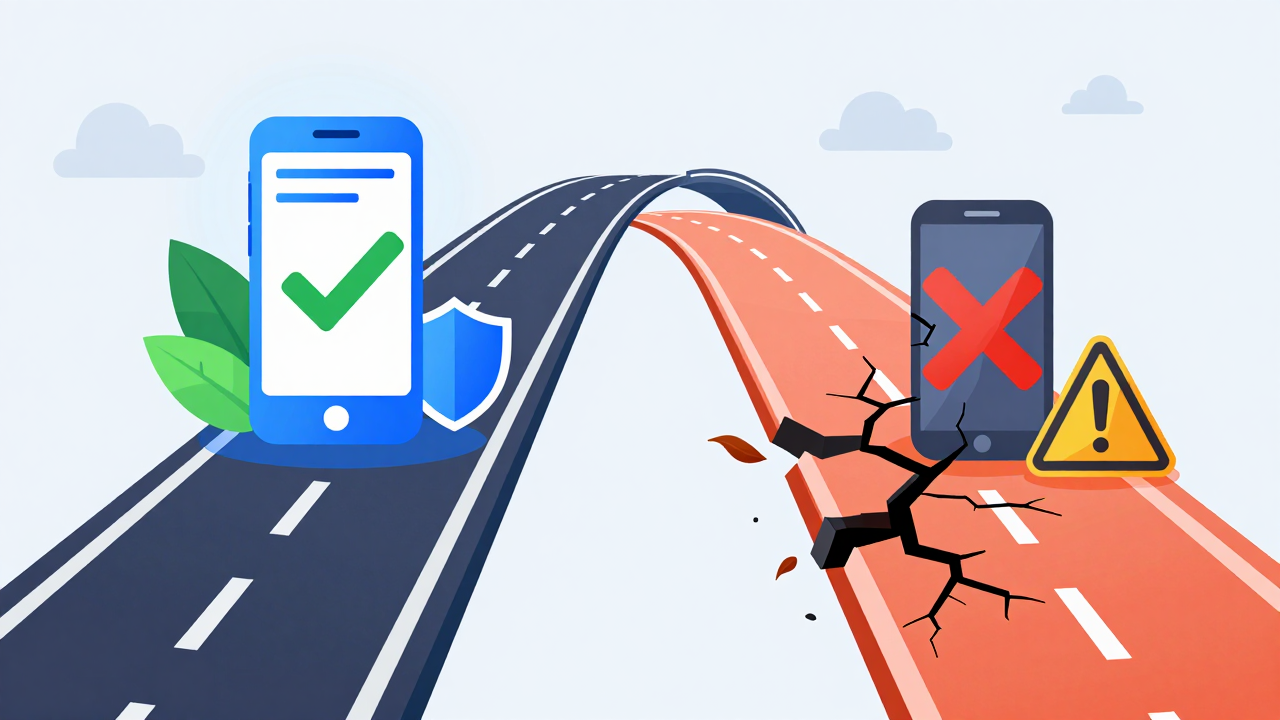
Industry consensus is clear: the fundamental difference between second-gen and first-gen platforms comes down to "number lifecycle management." In plain terms, these platforms don't just give you a temporary inbox for SMS. They manage the entire journey—registration, activation, maintenance, and recycling—from start to finish.
On a practical level, here's what that looks like:
- Clean number ranges: Second-gen platforms actively filter out flagged number blocks, sometimes syncing with carrier data to ensure you're getting numbers with no historical baggage.
- Location matching: You can select the number's region on demand and pair it with your proxy IP, making your setup look far more like a genuine user.
- Flexible retention periods: Instead of "use it and lose it," you can keep numbers for days, weeks, or even months—essential for long-term account nurturing.
- Risk alerts: The platform monitors number health and warns you in advance if a number block starts getting flagged, so you can switch before a ban hits—not after.
Here's a real-world cautionary tale. A friend of mine running a TikTok Shop operation decided to cut costs earlier this year by using a cheap platform to mass-register buyer accounts. Within a week, all 30 accounts were banned. When we dug into it, every single number came from the same recycled block, and the location data showed South Africa while his entire operation ran on US IPs. That's a textbook case of first-gen thinking causing a domino effect. After switching to a provider that uses second-gen logic—like Getfollow, which has a solid reputation in the industry right now—his number health improved dramatically.
Four Hard Metrics for Vetting Providers in 2026
Here's what many cross-border operators are telling me: every platform out there claims to be "second-gen," but the actual experience varies wildly. Based on hands-on testing and plenty of peer conversations, I've narrowed it down to four quantifiable criteria that will filter out most of the pretenders.
Metric 1: Number Pool "Freshness" Over Total Size
Don't get hypnotized by marketing claims like "millions of numbers available." In 2026, the metrics that actually matter are daily new number additions and how frequently number blocks rotate. If a platform is only adding a few hundred new numbers per day, even a pool with millions of entries is mostly dead weight—numbers already flagged by risk systems. Ask customer support directly for a list of newly added number blocks from the past week. The update frequency will tell you everything.
Metric 2: On-Demand Number Selection
A true second-gen platform lets you target numbers by platform (WhatsApp, Telegram, Amazon, etc.) and by region. If the platform only assigns random numbers and won't let you specify location or carrier, you're still dealing with first-gen infrastructure, no matter what the marketing says.
Metric 3: Flexible Retention Policies
This one directly impacts your account security. Reliable platforms offer a "number holding" service—you pay a small fee to guarantee the number won't be recycled during a specific period. If a platform only offers one-time use, your accounts are perpetually at risk of failing two-factor authentication. Industry observers note that SMS verification frequency for cross-border accounts has nearly doubled compared to two years ago. Without number holding, you're sitting on a time bomb.
Metric 4: Risk-Control Feedback Loops
This is the most overlooked factor. When your number gets flagged by a target platform, does the service provider give you any data back? For instance, was it a number block issue or an IP issue? Some platforms—Getfollow is one example that builds this into its service model—offer basic diagnostic guidance. That intel helps you adjust your approach quickly instead of blindly swapping numbers and retrying.
Reality Check: No Platform Is Perfect—Strategy Matters More
Even with a second-gen platform, you can't just set it and forget it. In 2026, mainstream social platforms have integrated device fingerprinting and behavioral sequence analysis into their risk models. What that means: even if your number is flawless, suspicious registration environments or erratic behavior patterns will still get you flagged as high-risk.
From my observation, many team failures aren't the platform's fault—they're the result of "using first-gen methods on second-gen platforms." For example, batch-registering from the same device or rapidly switching accounts on the same IP block. In that scenario, even the cleanest number won't save you.
Another risk point worth flagging is cost structure. Second-gen platforms are generally pricier per number than first-gen—that's expected, since you're paying for number holding and risk management. But some providers bury "holding fees" inside other charges, and your actual costs balloon without warning. Before committing, ask exactly how billing works: per message, per day, or per cycle.
Here's a practical recommendation: test small before you commit big. Don't buy a massive package upfront. Grab 5–10 numbers, run them through your target platform's actual registration flow, and monitor retention and ban rates over a week. If your accounts are still healthy after seven days, then scale up. The cost of this test is a fraction of what you'd lose to mass bans.
Final Thoughts: 2026 Is About Precision Operations
The rise of second-gen SMS verification platforms reflects a broader transition in cross-border business—from rapid, careless growth to disciplined, precision-based operations. These platforms aren't just tools anymore; they're a critical component of your account security infrastructure. For cross-border businesses and independent operators alike, understanding this shift matters far more than simply finding a platform that can "receive a code."
When you're evaluating providers, ask the detailed questions, demand the data, and approach everything with a testing mindset. In the 2026 ecosystem, stability and compliance are what genuinely reduce your hidden costs. My hope is that this guide helps you sidestep the common pitfalls and redirect your energy toward what actually matters—growing your business.
Frequently Asked Questions
What is the difference between first-gen and second-gen SMS verification platforms?
First-gen platforms simply provide a temporary number to receive a verification code. Second-gen platforms manage the entire number lifecycle—from sourcing clean, untainted numbers to offering retention options and risk monitoring. The key distinction is that second-gen platforms treat your number as an ongoing asset, not a disposable tool.
Why do my accounts keep getting banned even when I use a new number?
In 2026, risk systems look beyond just the number itself. They analyze device fingerprints, IP location consistency, and behavioral patterns. If your registration environment or usage behavior looks automated or inconsistent, you'll get flagged regardless of how clean your number is. Make sure your IP matches your number's region and avoid batch operations from the same device.
How much should I expect to pay for a second-gen SMS verification service?
Pricing varies, but second-gen platforms typically charge more per number than first-gen services because you're paying for number cleanliness, retention options, and risk monitoring. Be wary of providers that hide holding fees in other charges. Always ask for a transparent breakdown of per-message, per-day, or per-cycle costs before committing.
Can I use a second-gen platform for long-term account nurturing?
Yes—that's one of the main advantages. Second-gen platforms offer flexible retention periods, allowing you to keep numbers for days, weeks, or months. This is essential for accounts that require ongoing SMS verification, two-factor authentication, or device binding. Look for platforms that offer explicit "number holding" services.