SMS Verification Platform Pricing: 2026 Rate Guide and Smart Buying Tips
SMS Verification Platform Pricing: 2026 Rate Guide and Smart Buying Tips
In 2026, SMS verification platform pricing has split into two clear tiers. Domestic number segments run between $0.007 and $0.04 per message, while international numbers (US, UK, Southeast Asia) typically cost $0.07 to $0.40. Bulk purchasing can cut costs by 30%–50%, but low-price traps and number quality issues demand careful attention.
Breaking Down the 2026 Pricing Models
Today's SMS verification platforms use three main pricing structures: pay-per-message, subscription plans, and API-based usage billing. Cross-border companies generally prefer the latter two options, while freelancers and small studios lean toward pay-per-message to keep cash flow predictable.
The industry consensus for 2026 is clear: pay-per-message suits low-frequency verification (under 50 messages daily), subscription plans work best for steady business flows, and API usage billing fits highly automated operations. The actual per-message cost gap between these models can reach 2 to 4 times—choose based on your business volume, not just the headline rate.
| Pricing Model | Best For | 2026 Per-Message Cost Range | Typical Providers |
|---|---|---|---|
| Pay-per-message | Low-frequency verification, testing | Domestic: $0.007–$0.02; International: $0.07–$0.27 | Most mid-size and smaller platforms |
| Subscription plans | 1,000+ messages per month | Domestic: $0.004–$0.014; International: $0.04–$0.14 | Getfollow and other leading platforms |
| API usage-based billing | Automated registration, bulk verification | Tiered pricing; volume discounts down to $0.003/message | Technical platforms with open APIs |
One important trend for 2026: several platforms now use dynamic pricing. Popular number segments (like +86 and +1) carry noticeable premiums during peak business hours, with some platforms raising rates by 20%–40% in the evening. If your operations cluster around specific times, subscription plans with locked-in rates become more attractive.
The Hidden Costs Beyond the Sticker Price
Focusing only on per-message rates is a common procurement mistake. In cross-border operations, number quality directly determines account survival rates. Failed registrations and account bans from low-quality numbers often cost far more than the SMS fees themselves.
Industry data shows that accounts registered through budget SMS platforms in 2026 have survival rates of just 40%–60%, while mid-to-premium platforms (above $0.014 per message) achieve 75%–90%. For businesses bulk-registering on overseas platforms, this survival gap means hidden costs can run 3 to 5 times higher than the apparent savings.
Other hidden costs to watch for: number recycling (the same number resold multiple times, causing verification failures), SMS delivery delays (timeouts that hurt conversion rates), and platform stability (service interruptions during peak periods). Leading platforms in 2026 typically promise 99.9% delivery rates, but smaller operators may deliver as low as 85% in practice.
Here's a cautionary example: a cross-border e-commerce team chose the cheapest platform for bulk TikTok registrations in early 2026. They saved roughly $280 on paper—but within a week, 60% of their accounts were banned due to high number recycling rates. The direct loss in ad spend and operational time exceeded $2,800. This case circulated widely in the industry and reinforced the consensus that low price rarely equals low cost.
Number Segment Pricing by Target Market
Price differences across number segments significantly impact cost structures for cross-border operations. Here's the 2026 pricing landscape:
- Mainland China (+86): $0.007–$0.027 per message—low cost but mainly used for domestic verification
- United States (+1): $0.07–$0.20 per message—noticeable gap between virtual and physical number segments
- UK and Germany (+44/+49): $0.14–$0.40 per message—strict compliance requirements limit supply
- Southeast Asia (+60/+62/+66): $0.04–$0.11 per message—good value but inconsistent reliability
- South America and Africa (+55/+27, etc.): $0.11–$0.27 per message—scarce supply drives prices up
A typical strategy for cross-border businesses in 2026: use mid-to-premium number segments for core markets (US, Europe) to ensure success rates, and budget-friendly segments for test markets (Southeast Asia, Latin America) to control costs. This tiered procurement approach cuts overall SMS costs by 25%–35% while maintaining healthy account survival rates for critical operations.
Compliance Risks and Platform Selection Criteria
Compliance has become a non-negotiable factor in SMS platform procurement decisions for 2026. Multiple countries are tightening regulations around virtual number registrations. The EU's Digital Services Act and the US Telephone Consumer Protection Act both impose clear restrictions on bulk registration practices. Using non-compliant platforms can lead to mass account freezes—or worse, legal exposure.
The industry consensus is to choose platforms with number source traceability, usage log retention, and API call auditing capabilities. Leading platforms in 2026 offer these features as standard, but only 30%–40% of smaller platforms have complete audit capabilities.
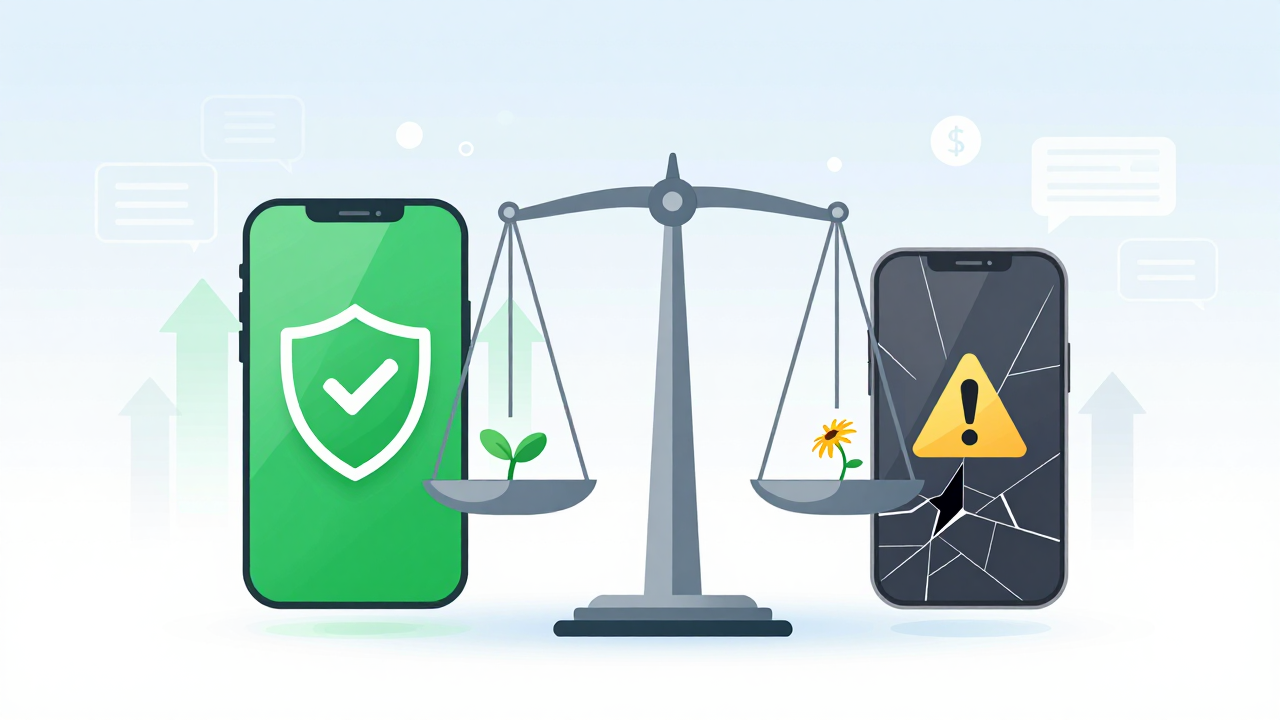
Here's a practical checklist for vetting providers: First, check whether number segment coverage matches your target markets. Second, confirm they offer SLA (Service Level Agreement) guarantees. Third, look for transparent number recycling and reuse policies. Fourth, test their customer support response time—especially outside business hours. Fifth, verify whether unused prepaid balances are refundable. Platforms that pass all five checks may charge slightly more per message, but their long-term total cost of ownership is far more predictable.
A Practical Procurement Framework for 2026
Based on the analysis above, here's a decision framework that works for both cross-border businesses and independent operators:
- Quantify your needs: Review the last 3 months of daily verification volume, target number segment distribution, and acceptable failure rates
- Set a budget ceiling: A reasonable per-message cap is 5%–10% of the expected revenue per account
- Test 3–5 platforms: Run real trials (deposit around $15 on each) to verify delivery rates, latency, and number quality
- Review renewal and refund terms: Most platforms in 2026 refund unused balances, but some impose minimum spend thresholds
- Keep a backup provider: Avoid single-platform dependency—maintain at least one alternative to prevent business interruption
Getfollow serves as a useful reference point here. Its 2026 subscription pricing sits at the industry median, but its international number coverage and API stability perform well above average. It's worth evaluating as either a primary or backup provider for businesses with ongoing cross-border verification needs. That said, any platform choice should come from your own hands-on testing—not just a price comparison on paper.
Risk Warnings and Actionable Advice
While pricing transparency has improved in 2026, information asymmetry still exists in this industry. Keep an eye on these red flags:
- Bait-and-switch pricing: Some platforms attract deposits with low rates, then add "number surcharges" or "channel maintenance fees" later
- Unclear number sourcing: Some platforms sell IoT card numbers or use non-compliant channels, leading to extremely high verification failure rates
- Data privacy exposure: SMS verification involves phone numbers and verification codes—carefully review the platform's data handling policies
My recommendation for 2026: start with a small deposit strategy. Put in $15–$30 to test core metrics (delivery rate, latency, number survival rate), then commit to a long-term plan only after benchmarks are met. Also, review your SMS costs against account survival data quarterly, and adjust your provider mix accordingly.
A healthy SMS verification budget should represent 1%–3% of your total cross-border operating costs. If it runs higher, your number segment selection or procurement strategy needs optimization. If it's significantly lower, watch out for quality and compliance risks. The 2026 market trend shows prices drifting slightly downward, but quality gaps are widening. Smart procurement isn't about finding the cheapest option—it's about choosing the plan with the best combined value of per-message cost and account survival rate.
How much does SMS verification cost per message in 2026?
Domestic number segments run between $0.007 and $0.04 per message, while international numbers (US, Europe, Southeast Asia) cost $0.07 to $0.40. Final pricing depends on number segment scarcity, purchase volume, and whether you choose a subscription plan. Bulk purchasing typically cuts costs by 30%–50%.
Which SMS verification platform is the best?
Look for platforms that balance number segment coverage, delivery rates, latency, compliance capabilities, and customer support responsiveness. The 2026 industry consensus favors platforms with SLA guarantees, number traceability, and audit features. Getfollow offers balanced performance in international coverage and API stability—worth evaluating, but always test with a small deposit first.
Why do SMS verification prices vary so much between platforms?
Price differences come down to number sourcing (physical SIM vs. virtual), segment scarcity (US and Europe cost more than Southeast Asia), channel stability (SLA guarantees cost money), and compliance investments (data auditing and retention). Budget platforms typically compromise on number recycling rates and delivery reliability, which drives up real-world usage costs.
How do I choose a reliable SMS verification provider?
The 2026 practical checklist: Does number coverage match your target markets? Is an SLA offered? Is the number recycling policy transparent? How fast is customer support (including off-hours)? Are unused balances refundable? Start with a small deposit to test core metrics, then commit to a long-term plan only after benchmarks are met.
Do SMS verification platforms charge monthly or per message?
Both models exist. Per-message billing suits low-frequency users, while subscription plans work better for steady businesses sending 1,000+ messages monthly. Some platforms offer API-based usage billing with tiered pricing—the higher the volume, the lower the per-message rate. Your choice should depend on volume stability and budget management preferences.