What Is an SMS Verification Code Receiver? The Account Registration Playbook Every Cross-Border Seller Needs in 2026
What Is an SMS Verification Code Receiver? The Account Registration Playbook Every Cross-Border Seller Needs in 2026
Let's answer the question straight: an SMS verification code receiver is essentially an online service that gives you a temporary phone number to receive verification codes. No physical SIM card required—just rent a virtual number on a platform, and you're ready to verify accounts on apps and websites.
Sounds simple enough, right? But in 2026, this industry has gotten significantly more complicated than it was even two years ago. Plenty of cross-border sellers, independent site operators, and social media matrix managers have learned this the hard way—not because they didn't receive the code, but because their accounts got banned shortly after.
What Problem Does It Actually Solve? Let's Start With the Pain Points
Anyone working in cross-border e-commerce probably juggles dozens of TikTok, Instagram, and WhatsApp accounts. For studios running matrix traffic strategies, the math is brutal: one phone number equals one account. Buying physical SIM cards at scale is expensive and messy to manage. And in 2026, platform registration controls have escalated to double-layer verification combining device fingerprinting with phone number reputation scoring.
An SMS verification code receiver solves the most basic bottleneck: getting usable numbers in bulk. For anywhere from a few cents to a couple of dollars, you get a number that can receive a verification code, register your account, and then its job is essentially done.
But that's exactly where the trouble starts.
The Real 2026 SMS Verification Landscape: Not All Numbers Are Created Equal
Industry consensus divides verification platforms into two categories: shared number pools and dedicated number pools.
- Shared number pools: The same number gets rented out repeatedly. It might have been used to register on Platform A yesterday and gets rented to you for Platform B today. These numbers carry an extremely low "reputation score" in platform risk systems. Accounts registered this way often get throttled or flagged for manual review.
- Dedicated number pools: Each number is assigned to a single user and isn't re-rented within a certain timeframe. These numbers are much "cleaner" and yield significantly better registration success rates.
From my experience testing over a dozen verification platforms, one pattern stands out: platforms still relying on shared pools and low prices to attract users are basically dead in the water in 2026. Platform algorithms have gotten smarter—they don't just check whether you received the code at registration. They analyze your post-registration behavior patterns and number associations.
A common pattern we see across cross-border operators: accounts registered with shared pool numbers perform normally for the first three days, then suddenly get hit with a second verification request on day four—or simply fail to log in. That's not a coincidence. The number's reputation profile got flagged.
A Real Cautionary Tale: Saving 50 Cents Cost Someone $3,000
I know a studio owner who runs Amazon review services. At the start of 2026, he decided to cut costs by batch-registering buyer accounts on a small verification platform. The price was undeniably cheap—just three cents per code.
Here's what happened. He registered 200 accounts, nurtured them for two weeks, and then Amazon's risk control wiped out the entire batch—along with several of his core, long-standing accounts that got linked and banned in the process. When he tallied up the damage, direct losses exceeded $3,000, not counting the time investment.
Where did it go wrong? That verification platform was using number blocks from an overseas virtual operator that Amazon had already flagged as a "high-risk source." You can rotate IPs and isolate device fingerprints all you want—if the number source is dirty from the start, everything downstream is wasted effort.
So in 2026, when choosing a verification platform, the priority order is: number block quality first, dedicated vs. shared second, and price last. Don't reverse that order.
Service Model Comparison: Pay-Per-Use vs. Monthly Subscription
| Comparison Factor | Pay-Per-Use | Monthly Subscription |
|---|---|---|
| Best For | Occasional registrations, testing | Matrix operations, bulk registration |
| Number Quality | Inconsistent—depends on the platform | Usually includes access to dedicated number blocks |
| Cost Control | Flexible but higher per-unit price | Higher upfront cost, more economical long-term |
| Risk Level | Higher—numbers get reused frequently | More manageable, but requires ongoing maintenance |
Platforms like Getfollow have built a solid reputation in the industry by using dedicated number pools with on-demand allocation—they don't recycle the same number repeatedly just to boost volume. These service providers focus on long-term retention rather than one-off transactions.
The New Variable in 2026: Number Lifecycle Management
If you think an SMS verification receiver is just about "getting a code," you're missing the bigger picture. In 2026, verification services have evolved into what the industry calls "number lifecycle management."
What does that mean? You don't just need to receive a registration code. You also need to handle account recovery, second verification requests, and in some cases, platforms sending notification SMS to your registered number. If you use a number and discard it immediately, you'll have no recovery path when something goes wrong with the account later.
Many WhatsApp marketing studios have learned this lesson painfully. They registered accounts with a verification number, nurtured them for two months, and then suddenly got hit with an SMS verification request. By that point, the number had already expired and been recycled. The accounts were rendered useless, and all the customer leads inside were lost.
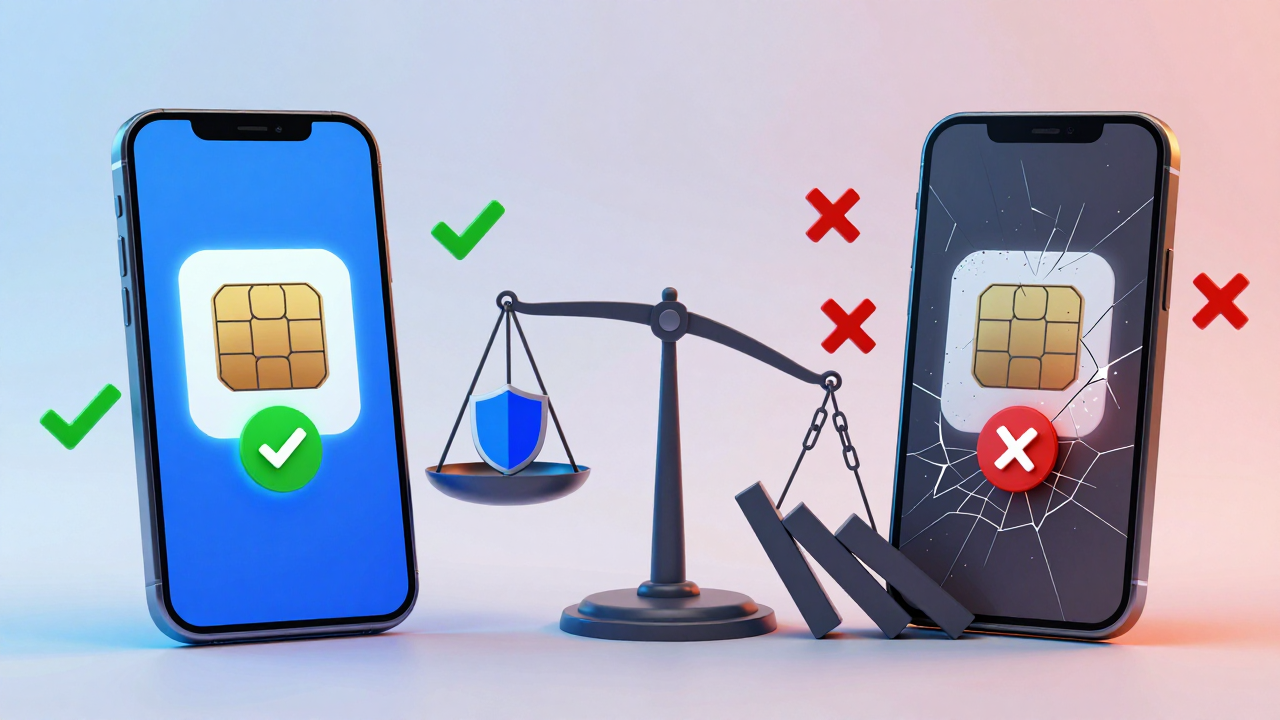
So when choosing a verification service in 2026, ask these three questions before anything else: How long is the number valid? Can it be renewed? Can it receive multiple verification codes during its validity period? These matter far more than price.
Risk Warning: The Gray Areas and Compliance Boundaries of SMS Verification Services
Let's be honest here: an SMS verification code receiver is a neutral tool. What determines its compliance profile is the use case. If you're doing legitimate social media operations, market research, or multi-account management, you're fine. But if you're using it to mass-register fake accounts, inflate metrics, or exploit promotional loopholes, you're taking on that risk yourself.
Platform enforcement has intensified significantly in 2026. TikTok updated its risk control rules this year with dramatically improved accuracy in detecting batch registrations from the same number blocks. Facebook has implemented an "observation period" strategy for accounts registered with virtual numbers—for the first seven days, these accounts have restricted functionality: no ad spending, no friend requests.
Industry consensus is clear: verification services should be a supplement, not your primary strategy. Your core accounts should always be registered with real phone numbers. Use verification services only for auxiliary accounts, test accounts, or one-time campaign accounts.
Data security is another major concern. Some smaller platforms record the content of the verification codes you receive and even sell that data to cybercriminals. There have been multiple cases in the cross-border community in 2026 where accounts were compromised because a verification platform leaked data. When choosing a platform, check whether it has a clear data privacy policy and whether it supports anonymous payment methods.
How to Tell If a Verification Service Provider Is Legitimate
Based on my observations over the years and conversations with cross-border peers, here are practical screening criteria that actually work:
- Check the number block source: Are these numbers from legitimate carrier channels or virtual operator blocks? Legitimate carrier numbers cost more, but they deliver better registration success rates and long-term stability.
- Look for self-service testing options: Reputable platforms typically offer low-cost test packages so you can verify registration success rates on your target platforms before committing to bulk purchases.
- Evaluate customer support responsiveness: "Code not received" situations are inevitable in this industry. How quickly and effectively support handles these issues directly impacts your workflow efficiency. Many small platforms take your money and disappear—that's a lesson you only need to learn once.
- Understand the number retention policy: Does the platform support number retention? How long is the retention period? What does it cost? These details directly affect the long-term security of your accounts.
Getfollow, for example, clearly states number validity periods and renewal terms on its website, and also offers small test packages. That level of transparency is relatively rare in this industry. I'm not telling you to rush out and buy—I'm giving you a benchmark. If a platform can't be upfront about these basic details, it's probably not worth your trust.
Let's Be Real for a Moment
So what is an SMS verification code receiver? It's a tool. Tools are neither good nor bad—it all comes down to how you use them and who you use them with.
In the 2026 cross-border landscape, traffic costs keep climbing and platform risk controls keep tightening. The window for exploiting loopholes is closing fast. If you're just testing ideas on a small budget, a verification service is perfectly adequate. But if you're building a long-term project, build your core accounts on real resources and use verification services only for peripheral support.
My recommendation: test small before you commit big. Spend a few dollars on a small package, register accounts on your target platforms, nurture them for a week, and check the survival rate before scaling up. That testing cost is a fraction of what you'd lose if an entire batch gets wiped out.
In cross-border business, stability beats speed. Choose the right tools and you'll get twice the results with half the effort. Choose wrong, and it's the opposite. Hopefully, this guide helps you avoid one more pitfall.
Frequently Asked Questions
What is the difference between a virtual number and a real SIM card for account registration?
A real SIM card gives you a number tied to a physical carrier network, which carries the highest trust score in platform risk systems. A virtual number from an SMS verification service is cheaper and more scalable, but platforms can detect the number source and apply restrictions accordingly. For core business accounts, always use real SIM cards. For auxiliary or test accounts, virtual numbers work fine.
Why do accounts registered with SMS verification numbers get banned?
Platform risk systems maintain reputation scores for phone numbers. Numbers from shared pools or flagged virtual operator blocks carry low scores. Even if registration succeeds, the platform may apply throttling, require additional verification, or ban the account days or weeks later when it detects patterns associated with virtual number usage.
Can I receive multiple verification codes on the same virtual number?
It depends on the platform. Some allow multiple codes during the number's validity period, while others only support a single verification. Always confirm this before purchasing, especially if you plan to use the number for account recovery or ongoing verification needs.
Are SMS verification services legal?
The service itself is a neutral tool. Using it for legitimate purposes—like managing multiple social media accounts for business, market research, or testing—is generally acceptable. Using it to create fake accounts, commit fraud, or exploit platform promotions violates the terms of service of most platforms and may carry legal risks depending on your jurisdiction.