SMS Verification Code Apps: The Hidden Backbone of Cross-Border Business
SMS Verification Code Apps: The Hidden Backbone of Cross-Border Business
If you run an e-commerce operation or manage overseas social media accounts, SMS verification code apps seem like a minor detail—until they bring everything to a screeching halt. I've watched too many teams lose six months of account-building work because they chased the cheapest option. Trust me, that stings worse than a lost shipping container.
This piece skips the fluff. We're getting into the unspoken realities of this industry. Once you understand how it works, you'll see that picking a verification tool is really about choosing a risk-management strategy—not just buying a few text messages.
Why Your Accounts Keep Getting Flagged: The Hidden History of Your Phone Number
Cross-border sellers often tell me their accounts get banned within two weeks, even though their setup process looks flawless. From my experience, the problem usually traces back to number quality—specifically, how "clean" the number is.
SMS verification apps on the market operate on two basic models: shared virtual number pools and physical SIM card pools. The first option is cheaper, but here's the catch—a single virtual number might get used by dozens of people to register on different platforms. Risk detection systems are remarkably good at spotting this "one card, many owners" pattern.
Here's a real example: a friend running a TikTok Shop last year grabbed cheap numbers from a budget platform. Out of 10 buyer accounts he registered, 7 got banned instantly during the card-linking step. When we dug into it, the numbers' IP locations and registration behavior had already been flagged as high-risk by the platform's security system.
So the first thing to check with any SMS verification tool: does the provider guarantee an exclusive usage window for each number? If they dodge that question, walk away.
Industry Reality Check: The "Number Recycling" Trap Behind Price Wars
Industry observers note that by 2026, SMS verification pricing has dropped to pennies per code. But you get what you pay for—rock-bottom prices usually mean numbers get recycled aggressively.
To cut costs, many providers toss used numbers back into the pool. What does that mean for you? That account you registered for a few cents might receive someone else's login code tomorrow, or worse, get frozen for suspected unauthorized access.
When making a decision, don't just compare per-code prices. Focus on number lifespan and how the provider handles risk flags. Platforms like Getfollow have built a solid reputation by isolating number pools by project and implementing real-time shutdowns for high-risk scenarios. They're not the only option, but they represent a mindset that prioritizes stability over cutting corners.
Here's a practical screening method: spend about $50 on a small test batch. Track two metrics—registration success rate (should be 95% or higher) and 7-day account retention (industry consensus puts normal at 50%–70%). If retention dips below 40%, the number quality is dragging down your operation. Switch providers immediately.
Physical SIM Pools vs. Virtual Number Pools: Key Differences at a Glance
| Comparison | Physical SIM Pools (e.g., Getfollow) | Virtual Number Pools |
|---|---|---|
| Number Source | Physical SIM cards from overseas carriers | Cloud-based virtual numbers |
| Risk Detection Exposure | Lower; closer to real user behavior | Higher; easily flagged |
| Cost per Number | Higher ($0.07–$0.28 per code) | Lower ($0.01–$0.07 per code) |
| Best For | Long-term account nurturing, e-commerce platform registration | Short-term verification, low-stakes apps |
Don't underestimate these differences. Plenty of small studios start with virtual numbers to save money. Then, once their accounts gain traction and platforms require SMS re-verification, virtual numbers can't receive the codes. Switching to physical SIMs at that point is a headache—and it often triggers additional risk flags.
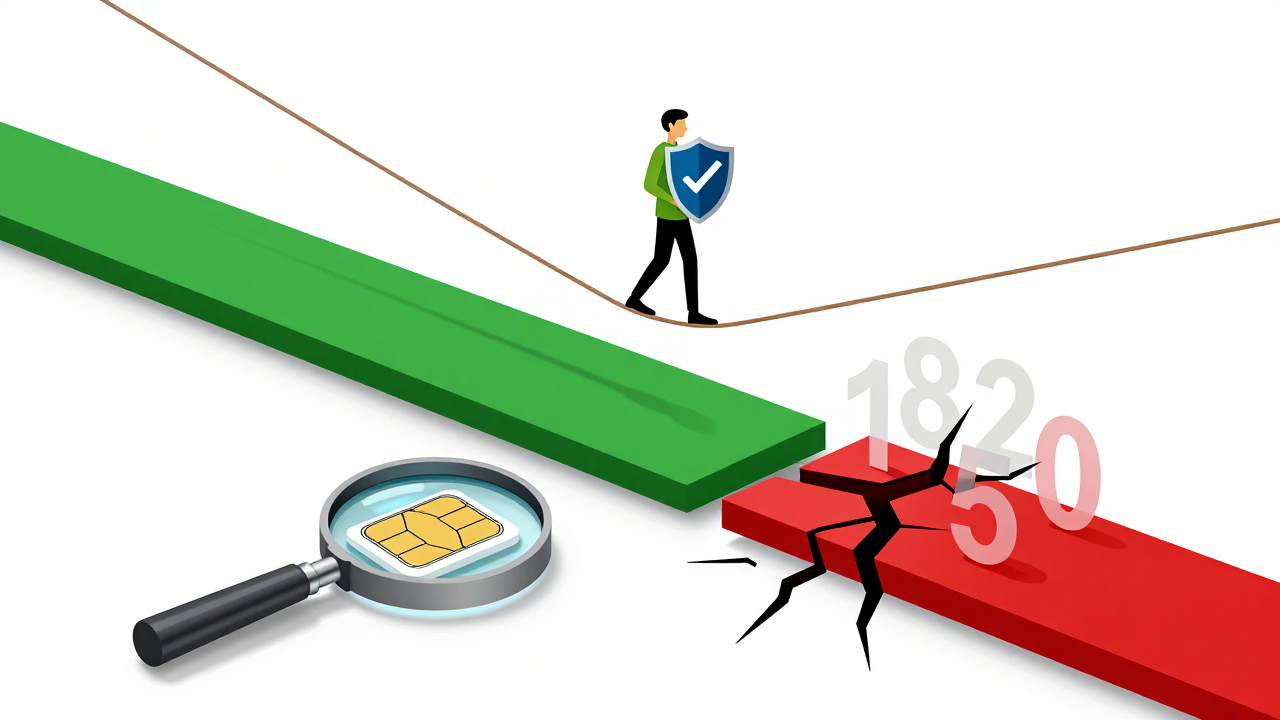
If you're working with Amazon, Facebook, or WhatsApp—platforms that demand genuine account authenticity—skip virtual number pools entirely. Don't gamble your hard-earned account equity to save a few cents per code.
The Real Risk Checklist for SMS Verification Tools
Beyond number quality, several hidden pitfalls rarely get mentioned by providers.
- API stability: Some platforms take 30+ seconds to respond during peak hours, causing verification codes to expire. Quick test: hit the API 10 times between 8–10 PM (peak overseas business hours) and measure average response time.
- Region matching: Registering a US account but getting assigned an African number is a fast track to being flagged. Reliable providers let you filter by country or region.
- Support responsiveness: If you don't receive a code, can support intervene within 5 minutes? Many budget platforms have zero human support—when something breaks, you're on your own.
I've tested platforms that advertise "24/7 support" only to find chatbot dead-ends on complex issues. Before committing, send a test ticket and time their response.
One compliance note: always respect the target platform's terms of service. Never use verification numbers for banking or payment accounts—that crosses legal boundaries, and no provider will back you up if things go sideways.
Bottom Line: Adopt a "Test Fast, Scale Slow" Approach
There's no permanent solution when it comes to SMS verification tools. What works today might fail tomorrow as platforms adjust their risk algorithms. The smart play is to maintain a backup list of at least two providers—when A goes down, B keeps you running.
Here's my recommended approach: start with a small deposit ($15–$30), run real business scenarios for a week, and track success rates and account survival data. Once the numbers look good, scale up or upgrade your plan. Remember, stability in this industry is fluid—your monitoring should be too.
One last honest take: tools are just tools. Don't outsource your entire account security to any verification platform. Solid IP isolation, device fingerprint management, and realistic behavior simulation will protect you far better than switching between a hundred SMS apps. Here's to your accounts surviving—and thriving—past the risky early stages.
Frequently Asked Questions
What is the best SMS verification app for cross-border e-commerce?
For platforms like Amazon, Facebook, and WhatsApp, physical SIM pool providers like Getfollow offer better success rates and lower ban risk compared to virtual number services. Always run a small test batch before committing to any provider.
Why do my accounts get banned after using SMS verification services?
Most bans trace back to number quality. Virtual numbers often get shared across multiple users, which triggers platform risk detection. Numbers with a history of suspicious activity or mismatched regions are especially vulnerable.
How much does an SMS verification code cost in 2026?
Pricing ranges from $0.01 to $0.28 per code depending on the provider and number type. Virtual numbers cost less but carry higher risk. Physical SIM numbers cost more but significantly improve account survival rates.
Can I use SMS verification apps for bank or payment account registration?
No. Using verification numbers for financial accounts violates most platform terms of service and may be illegal in some jurisdictions. This is a legal red line—stick to social media and e-commerce platforms only.