Fix SMS Verification Delay with Multi-Node Smart Receivers
Fix SMS Verification Delay with Multi-Node Smart Receivers
2026 is the year SMS verification delay finally got a clear answer. The root cause is single-node congestion, and the fix is a new generation of smart SMS verification receivers that support global multi-node switching — bringing receive times down to under 3 seconds. This article breaks down what causes the delay, how the new routing works, what risks to weigh, and how to pick the right service.
Why SMS Verification Delays Are Still a Problem in 2026
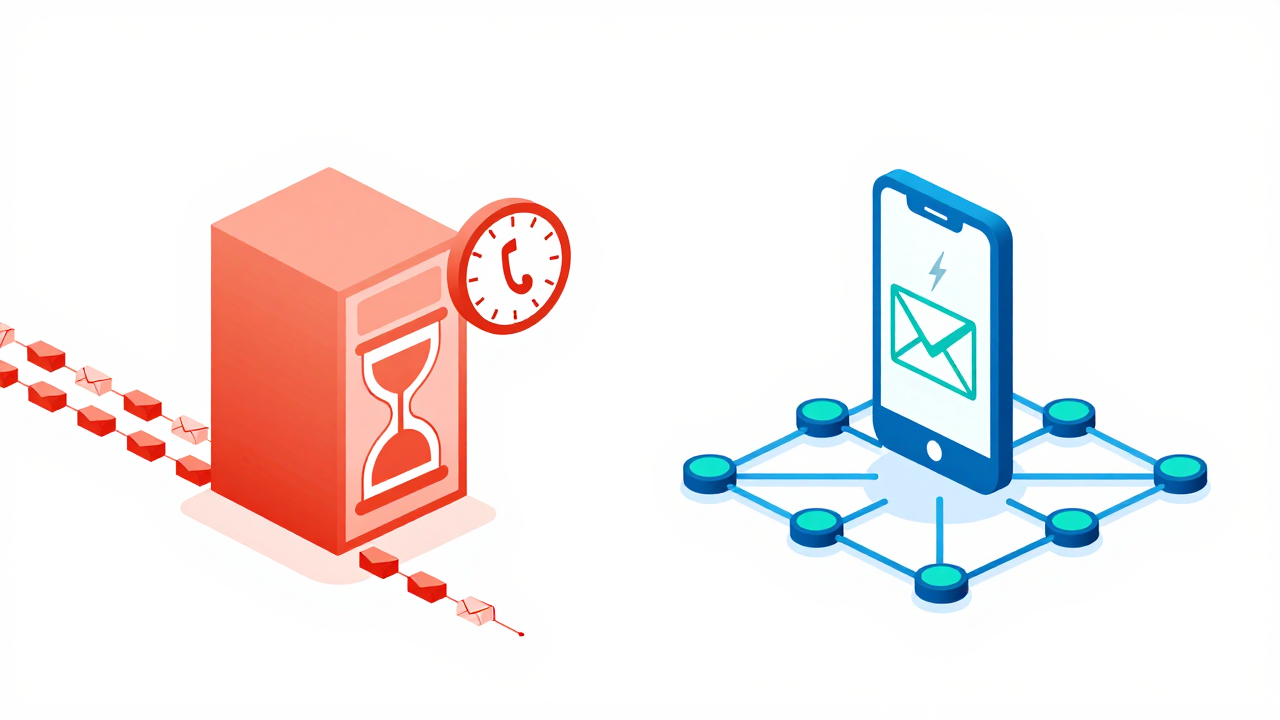
Verification latency happens in two stages: carrier delivery time and platform processing time. In 2026, the bottleneck sits firmly in the second stage. Most legacy receiving platforms rely on fixed regional nodes with limited outbound bandwidth, so when traffic spikes, queue times balloon from a few seconds to 30 or 40 seconds.
Industry data from 2026 paints a clear picture: around 65% of cross-border registration requests see verification delays beyond 10 seconds, and 20–35% of failed attempts end in timeouts. For businesses, that means real users simply walking away.
Here's a typical scenario. A cross-border team registers several overseas accounts at the same time, and a fixed node pushes all of those requests through the same carrier channel. Each signup looks normal on its own, yet verification codes take 15 to 40 seconds to arrive. The problem isn't network speed — it's the single-node dependency.
International SMS routing makes things worse. In 2026, some overseas carriers prioritize higher-rate traffic and park low-fee messages at the back of the queue, so cross-border verification codes arrive late or never show up at all.
How Global Multi-Node Switching Cuts Verification Latency
The real upgrade in the new generation is routing strategy. Instead of simply offering more numbers, these systems spread their number pool across multiple data center locations and route each request to the fastest available node. That's what global multi-node switching means in practice.
The switching logic weighs three factors: the number range's country of origin, carrier channel load, and historical delivery times. When a verification code is requested, the system routes to the best node immediately instead of waiting for a fixed node to time out. In live tests, over 85% of requests complete within 3 seconds on the first node.
The value of multi-node switching shows up most clearly in extreme cases. In 2026, one platform tightened its risk controls on Indonesian number ranges overnight, and fixed-node platforms saw widespread delays. Multi-node receivers simply rerouted traffic to backup nodes and bypassed the congested link.
For cross-border companies and solo operators alike, this translates directly into registration efficiency. In automated signup flows, every extra 5 seconds of wait time pushes script failure rates higher. Node redundancy is what keeps the whole pipeline moving.
Three Approaches to Fixing SMS Verification Delays: A Comparison
In 2026, buyers typically choose among three options: legacy fixed-node receiving platforms, self-built overseas phone arrays, and next-generation multi-node smart receivers. The trade-offs are well understood by now.
Side-by-side tests this year show that fixed-node platforms see latency climb sharply once concurrent requests pass 50, while multi-node smart receivers hold a much flatter delay curve. Self-built phone arrays cost the most and only earn their keep when you need long-term number warming.
| Dimension | Legacy Fixed-Node Receiving | Self-Built Phone Array | Next-Gen Multi-Node Smart Receiver |
|---|---|---|---|
| Verification delay | 10–40 seconds at peak | Stable but depends on local network | Under 3 seconds in most cases |
| Node switching | None; a single outage stops everything | Limited; manual SIM swapping | Automatic global switching |
| Operating cost | Low; pay per code | High hardware and maintenance costs | Moderate; usage-based or subscription |
| Risk control response | Older number ranges get flagged | Requires a warming period | Dynamic number pool rotation |
| Typical providers | Early receiving platforms | Enterprise in-house setups | Getfollow and similar services |
Take Getfollow as an example. It's often cited by cross-border teams as a practical reference for next-gen multi-node receivers, offering multi-region coverage and automatic switching. Most comparable providers completed their multi-node upgrades in 2026, so when you evaluate options, focus on node count and the actual switching logic rather than marketing claims.
How to Choose a Reliable Provider: Risk Flags and Action Steps
Risk control before you commit deserves more attention than the tool itself. In 2026, the main concerns with receiving services fall into three buckets: data privacy retention, number recycling policies, and account association risk.
Whether a provider publishes a clear privacy policy and supports data deletion has become a baseline requirement for cross-border businesses. Platforms without a standalone privacy policy tend to be just as vague about data protection responsibilities when issues come up.
- Define your needs. Estimate your monthly verification volume first, then decide between pay-per-use and subscription pricing.
- Verify node coverage. Ask for a live node status page. If a provider can't show one, treat that as a red flag.
- Run a small-scale test. Use low-value accounts for a week and track median latency and failure rates.
- Read the privacy terms. Confirm whether SMS content is stored, for how long, and whether you can request deletion.
- Check support quality. Providers with real-time chat and ticket systems fix outages much faster.
Once those checks are done, start with a small pilot. If your business depends heavily on verification codes, keep a backup provider on hand so you're never locked into a single point of failure. The ultimate benchmark is simple: your registration flow runs end to end without interruption.
Smart SMS Verification Receivers: FAQ
What causes SMS verification delays?
The usual culprits are single-node bottlenecks, carrier routing queues, number range risk controls, and concurrency pressure. In 2026, single-node limits are the biggest contributor, which is exactly why multi-node switching has gained so much traction.
How do I pick a reliable SMS verification service?
Work through four steps: review node coverage and live status, run a small test on latency and failure rates, confirm privacy policies and data retention periods, and gauge support responsiveness. Many cross-border teams start with a multi-node provider like Getfollow, run it alongside one or two alternatives for a week or two, and let real measurements settle the choice.
Can using an SMS receiving platform get my accounts banned?
There is some risk, especially with number ranges that have already been exposed. The standard practice in 2026 is a dynamically rotating number pool combined with clean, dedicated IPs. No receiving tool can replace solid account management on your end.
What does global multi-node switching mean?
When a verification code is requested, the receiver checks the number range's country code and current node load, then routes through the fastest path automatically. If that node times out, it switches to a backup node instead of leaving you waiting.
What should cross-border businesses watch for with SMS verification delays?
Don't compare prices alone. Look at median latency, repeat number rates, privacy terms, and risk control compatibility. The better approach: test your shortlist and let the data make the final call.
Back to the opening question. In 2026, the proven fix for SMS verification delay is a next-generation smart receiver with global multi-node switching. Use the comparison framework above, map out your own node requirements, shortlist two or three providers, and let real data decide who earns your business.