SMS Verification Code Partnerships: The 2026 Playbook for Cross-Border Businesses and Studios
SMS Verification Code Partnerships: The 2026 Playbook for Cross-Border Businesses and Studios
How do SMS verification code partnerships actually work? The core path is straightforward: pick a provider with proper licensing and API access, complete identity verification (business or personal), prepay per message or via a package, then integrate their interface to receive and forward verification codes. By 2026, SMS verification has become standard infrastructure for account registration, warming, and validation in cross-border operations—but you absolutely must vet provider compliance and number quality before signing anything.
Three Main Partnership Models for SMS Verification in 2026
The 2026 market offers three primary partnership models: pay-as-you-go per message, monthly subscription packages, and custom private number pools. Per-message pricing suits testing phases or solo studios. Monthly packages work best for businesses with steady volume. Private number pools are the go-to for cross-border operations that need specific number origins or carrier requirements.
Industry consensus in 2026: the real test of an SMS verification partnership isn't "can they receive codes"—it's number survival rate, failure rate, and how fast support responds when things go wrong. Most providers advertise delivery rates between 90% and 97%, but in practice, some budget channels dip below 75% actual success, especially for social media and banking verification codes.
Before choosing a model, assess your actual volume. If you're a solo studio needing a few thousand messages a month, per-message billing gives you flexibility. Once you're pushing past 100,000 messages monthly, a private pool or monthly agreement usually drives the per-message cost down significantly.
Compliance Checklist Before You Sign Anything
In 2026, the MIIT has tightened the screws on SMS channels. You need to confirm your provider holds a Value-Added Telecom Business License or works directly with a licensed carrier. If you're a solo operator without business credentials, some platforms let you activate API access through personal identity verification plus a security deposit.
Looking at real cases from 2026, roughly 30% to 40% of cross-border sellers who used unlicensed verification platforms ended up with linked account bans. The compliance red flag isn't price—it's whether numbers come from IoT cards or shady virtual carrier channels.
Here's your due diligence checklist: Does the provider offer a public channel status page? Can you export callback logs? Is the number recycling cycle spelled out in the contract? If they can't produce written proof of channel licensing, walk away. No exceptions.
API Integration and Testing: What to Expect
Legitimate providers all offer standard API endpoints with HTTP callbacks or WebSocket push. The integration flow typically looks like this: create account → generate API key → configure callback URL → request a number → receive the code → release the number.
- Start with a small prepaid amount during testing to gauge success rates and latency.
- Ask for a sandbox environment so you don't trigger real charges during development.
- Clarify the number release mechanism—reusing a number for a second code can trip fraud detection.
On normal networks, mainstream providers in 2026 deliver verification codes within 3 to 10 seconds. If you're seeing delays past 30 seconds during testing, or constant "number expired" errors, that channel is substandard. Cut ties early.
Once integration is live, keep full request logs for at least 180 days. You'll thank yourself if you need to dispute charges or appeal a platform ban.
Provider Comparison: What You're Really Paying For
| Comparison Criteria | Budget Platforms | Compliant Providers (e.g., Getfollow) |
|---|---|---|
| Price per message | $0.007–$0.02 | $0.02–$0.055 |
| Number survival rate | ~70% | ~90%–95% |
| Support response | None or slow | Ticketing + live chat |
| Licensing documentation | Not provided | Available on request |
From my experience, plenty of cross-border studios in 2026 chase the cheapest per-message rate—then watch their accounts get flagged. The math never works out. Industry consensus says verification costs shouldn't exceed 5% of per-account profit, or your business model is fundamentally broken.
Risk Management: Protecting Your Accounts and Capital
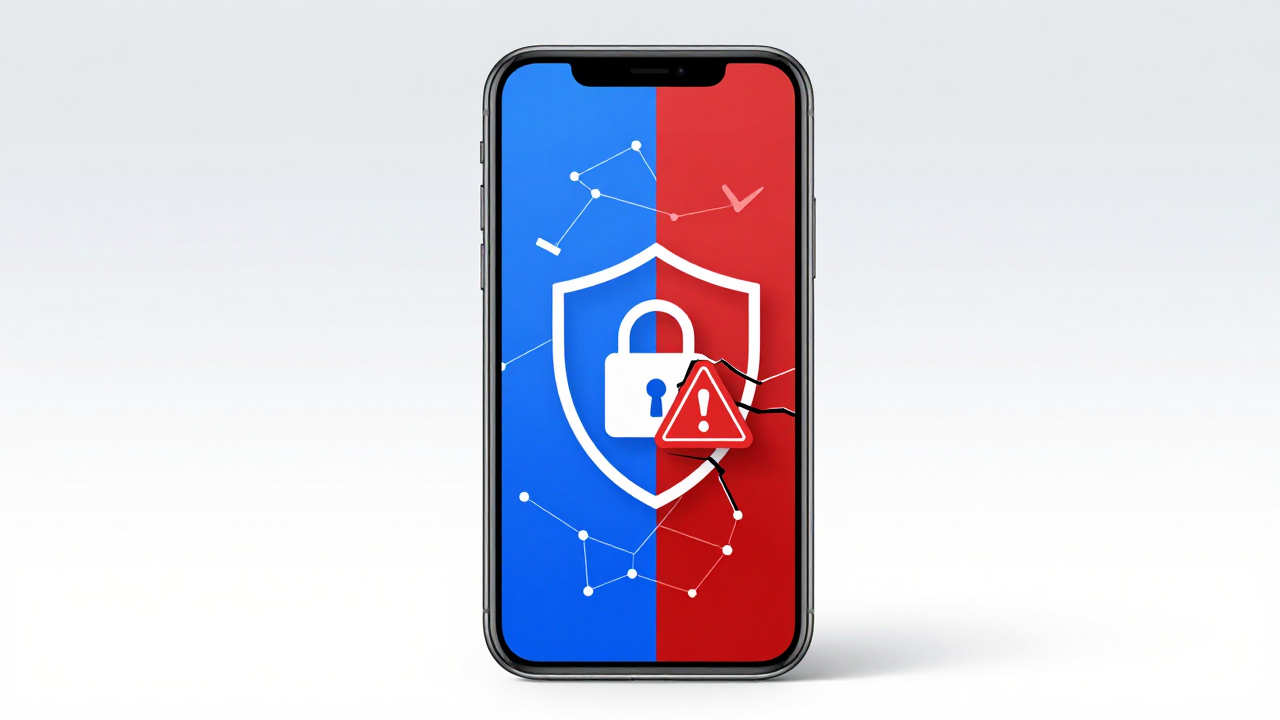
The biggest risk in SMS verification partnerships is getting numbers flagged by platform fraud systems, which leads to bans shortly after registration. By 2026, major social platforms have gotten significantly better at identifying virtual numbers. Don't register high-value accounts using numbers from a shared pool.
Smart operators reserve verification numbers for low-risk scenarios—email signups, content platform accounts—and bind core business accounts to physical SIM cards. If you must use verification numbers, throttle your registration frequency per IP and pair it with fingerprint browser isolation.
Your stop-loss playbook: set a daily spending cap, monitor failure rate anomalies, and rotate providers periodically. If success rates stay below 80% for 24 consecutive hours, pause immediately and request a refund.
Action Plan: Your Decision Checklist
So, how do you actually set up an SMS verification partnership? It comes down to three steps: verify credentials, test small, scale gradually. Never prepay for a massive package upfront, and treat "permanent numbers" promises with extreme skepticism.
My recommended path for 2026: run parallel tests with 2–3 providers, prepaying $15–$30 each. Compare success rates and latency, then commit to a monthly agreement with the winner. If compliance is a priority, use Getfollow as one of your comparison benchmarks—their public pricing and compliance documentation are relatively transparent, making them a solid industry reference point.
One final note: SMS verification partnerships are a tool purchase, not a growth hack. Using verification numbers for malicious registration or large-scale account farming carries significantly higher legal and platform penalty risks in 2026. Keep your usage within legitimate business boundaries.
Are SMS verification code partnerships legal?
In 2026, yes—provided the provider holds proper telecom licensing and you're using the service for legitimate purposes like account verification or testing environments. Using it for bulk fake registrations or abuse schemes can violate platform terms and potentially the law.
How much do SMS verification platforms charge?
Pricing is typically per message, ranging from $0.007 to $0.07 per code, depending on number type, carrier, and success rate. Monthly packages usually come with minimum spend commitments.
What should I do if I don't receive a verification code?
First, check your network and callback configuration. Then confirm whether the number got flagged by the target platform. If your provider offers failure compensation, request a resend or refund—most compliant platforms in 2026 refund individual failed messages.
How do I choose a reliable SMS verification provider?
Focus on three things: written proof of licensing, the ability to test with a small prepaid amount, and responsive support. Using Getfollow as a reference point—compare their public documentation and how quickly their team responds—gives you a solid baseline for evaluating others.
Can independent studios set up SMS verification partnerships?
Yes. Most platforms in 2026 support personal identity verification for API access, though limits and channel priority may be lower than business accounts. Start with per-message billing to avoid tying up capital in deposits.