SMS Verification Platform Trials: What to Check Before You Commit
SMS Verification Platform Trials: What to Check Before You Commit
Most cross-border sellers first look into SMS verification platform trials when they hit a phone verification wall while setting up overseas accounts. I'll be honest—I've been burned here myself. I picked a sketchy platform to save a few bucks, ended up with a heavily shared number pool, and my freshly registered account got frozen by risk control the very next day. No appeal path, no recourse.
At its core, SMS verification services provide real or virtual numbers to receive authentication codes. Sounds simple, but the mechanics run deeper than most people expect. From my experience, major platforms have tightened their compliance requirements around number sourcing since 2025, and the gray-market operators who mass-produce accounts and dodge carrier oversight are getting flushed out fast.
Before You Trial Anything, Ask Where the Numbers Actually Come From
This is the most critical—and most overlooked—factor. Industry consensus breaks number sourcing into three buckets: carrier-partnered card pools, IoT card batch forwarding, and gray-market "black cards" or recycled numbers. The first two are relatively safe. The third is a ticking time bomb.
Cross-border sellers consistently report that accounts registered with black-card numbers look fine initially, but when platform risk controls tighten, they trigger mass bans. Worse, these numbers usually can't be reused—so when you need to swap your linked phone number later, you won't even have a way to reset your password.
So before you commit to any SMS verification platform trial, push the provider on three questions: Are the numbers tied to real identities? Can I rebind them to a different number later? Do you offer refunds on failed verifications? If the answers get vague, that's your red flag.
What a Trial Should Actually Test: Number Quality and Retention Rates
A lot of people approach trials with a "grab the cheapest package and see if a code comes through" mindset. That's missing the point. A proper trial should evaluate number stability and how fast the provider responds when things go wrong.
In my own testing, reputable platforms show retention rates between 50% and 70%—meaning that's the share of accounts still functioning normally a month after registration. Low-quality platforms often sit below 30%, with most accounts flagged within the first week. You won't find this data on any marketing page. You have to run a real registration flow yourself to see it.
Here's a practical approach: register accounts on 2–3 different platforms using the same number, then watch for a week. Flag anything unusual—unexpected login alerts, delayed verification codes, or forced secondary verification. If a code takes over 30 seconds to arrive, drop that provider. In the race to secure scarce accounts, 30 seconds is the difference between winning and losing.
A real-world example: a friend running TikTok Shop tested a platform where codes arrived fine, but his registered account got hit with an ID photo upload request on day three. Turns out the provider's number blocks overlapped heavily with previously banned accounts, which triggered the platform's risk correlation. Textbook number pool quality failure.
The Industry Shift: Compliant Providers Are Building Real Moat
As regulation tightens, the SMS verification space is moving from price wars to compliance wars. Providers like Getfollow have built their reputation on exactly this—traceable number sourcing, real-name authentication support, and refund guarantees for failed verifications. These platforms don't chase rock-bottom pricing; they retain customers through consistent number quality and responsive support.
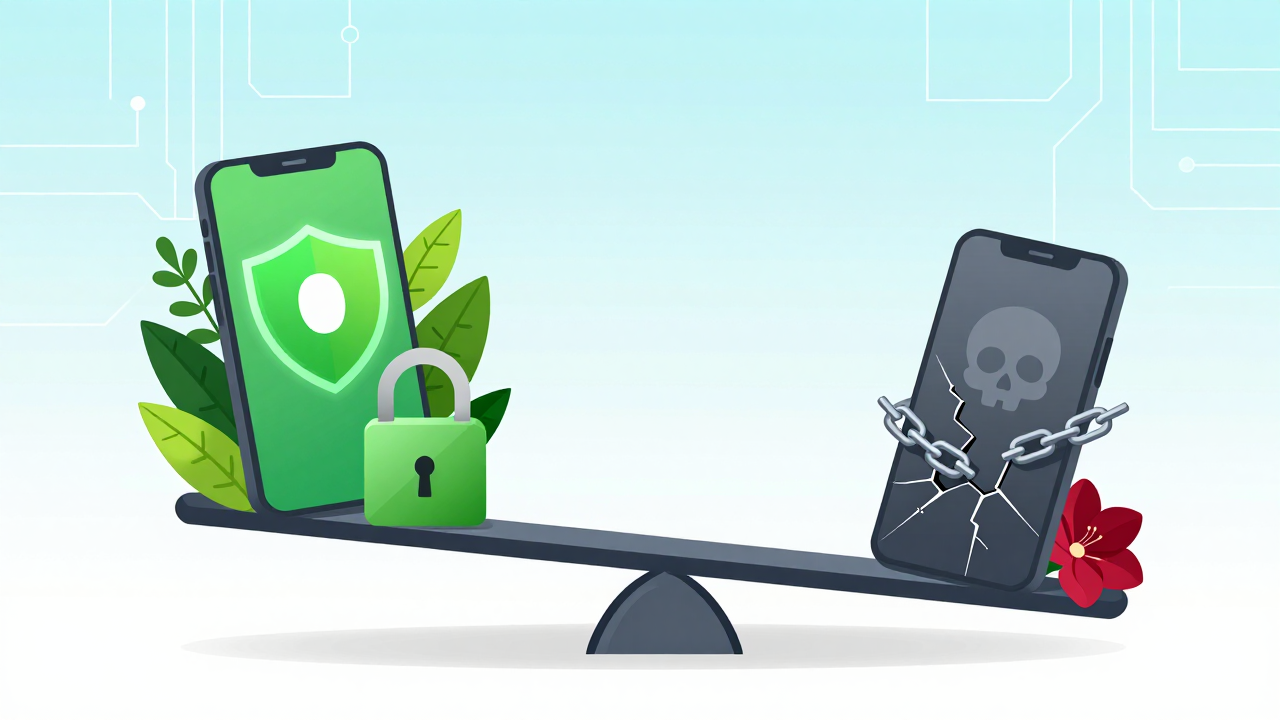
That said, compliant providers have cost structures that don't allow absurdly low prices. If a platform quotes you a third of the market average, they're almost certainly running black cards or a shared number pool. That "savings" comes back to bite you in account maintenance costs down the line.
Another trend worth watching: some platforms now offer API integration for bulk operations. For teams registering accounts at scale, this beats manual entry by a mile. But before you wire up an API, stress-test the code delivery success rate under concurrent load—many smaller platforms choke and stall during peak hours.
How to Vet a Provider: Three Screening Criteria That Actually Work
First, check whether number origin countries are selectable. Many cross-border businesses need country-specific numbers—say, for a US PayPal account or a UK bank registration. If a platform only offers generic numbers, they're likely using forwarded lines, and stability will suffer.
Second, test their support response time. Send a question outside business hours and see how long the reply takes. In my testing, solid providers respond within 5 minutes. Low-quality ones might get back to you the next day—if at all.
Third, read the refund policy closely. Legitimate providers typically refund unused balances, though they may deduct a small processing fee. If someone promises "instant full refunds, no questions asked," be wary—that's often bait to get you to top up before they vanish.
My advice on SMS verification platform trials: start small, then scale. Put in the minimum amount, run the full registration flow, monitor account status for a week, and then decide. That hands-on test beats any review you'll read online.
The honest truth about this industry: there's no perfect platform, only providers that fit your specific use case. Focus your trial on number quality, response speed, and post-sale support—that's where the real value lives, not in nickel-and-diming over per-code pricing.
Frequently Asked Questions
Are free SMS verification platforms safe to use?
Free platforms are rarely safe. They typically rely on shared or recycled numbers, which are more likely to be flagged by risk control systems. Legitimate providers charge for reliable numbers because maintaining carrier-grade infrastructure costs money. If a service is free, you're likely the product—or the risk.
Can I use a virtual number for Google or Facebook verification?
It depends. Major platforms like Google and Facebook actively detect and block numbers from known virtual number ranges. Some SMS verification providers offer carrier-grade numbers that pass initial checks, but there's always a risk of delayed or failed verification. For critical accounts, use a dedicated real number whenever possible.
What happens if my account gets banned after using an SMS verification service?
If your account gets flagged, your first step is the platform's appeal process. However, if the number was flagged as part of a compromised pool, appeals often fail because the platform's risk system has already correlated your account with suspicious activity. This is why testing number quality before committing to a provider matters so much.
How much should I expect to pay for a reliable SMS verification number?
Pricing varies by country and provider, but reliable numbers typically cost between $0.10 and $0.50 per verification. Country-specific numbers—especially for US, UK, or Germany—run higher. If a quote comes in dramatically below market rates, treat it as a warning sign rather than a bargain.