Data Leak Risk in SMS Verification: Enterprise Security
Data Leak Risk in SMS Verification: Enterprise Security
Cross-border sellers know that SMS verification can look like a minor detail—until something goes wrong. Suddenly, customer records, login credentials, and verification codes are all exposed. So when someone asks whether data leak risk in SMS verification is high or how top services protect enterprise information, I don't answer with a simple yes or no. I start by sharing what actually happens in the field.
From my experience, plenty of solo studios try to save a few cents by using some random little platform. The result? A suspended account might be the least of your problems. The real headache is when the platform's backend logs every single SMS. Some of these providers are doing business today and vanish tomorrow—and you never know where those verification codes went.
A common pattern we see from cross-border operators: three things scare them the most. First, using someone else's phone number for temporary verification, only to have that number flagged as contaminated. Second, discovering the provider quietly logs and stores all SMS content. And third, finding out the platform has no compliance team—so when it gets exploited, you're left holding the bag.
Is There Data Leak Risk in SMS Verification? The Hidden Pitfalls
Honestly, data leak risk in SMS verification is real. It's especially bad with cheap platforms that don't check credentials and offer zero privacy guarantees—they're basically running naked. The industry consensus is simple:
- Platforms without real-name verification almost always keep full SMS text records.
- If the backend doesn't automatically separate plaintext from business data, your security is pure luck.
- When a platform disappears, its historical data often gets sold to gray-market teams.
Data Leak Risk in SMS Verification: How Top Platforms Protect Enterprise Info
So how do compliant services protect enterprise information? The core logic isn't complicated: don't store anything you don't need to. Right now, platforms like Getfollow are known for following this compliance-first approach.
In practice, a reputable provider will do the following:
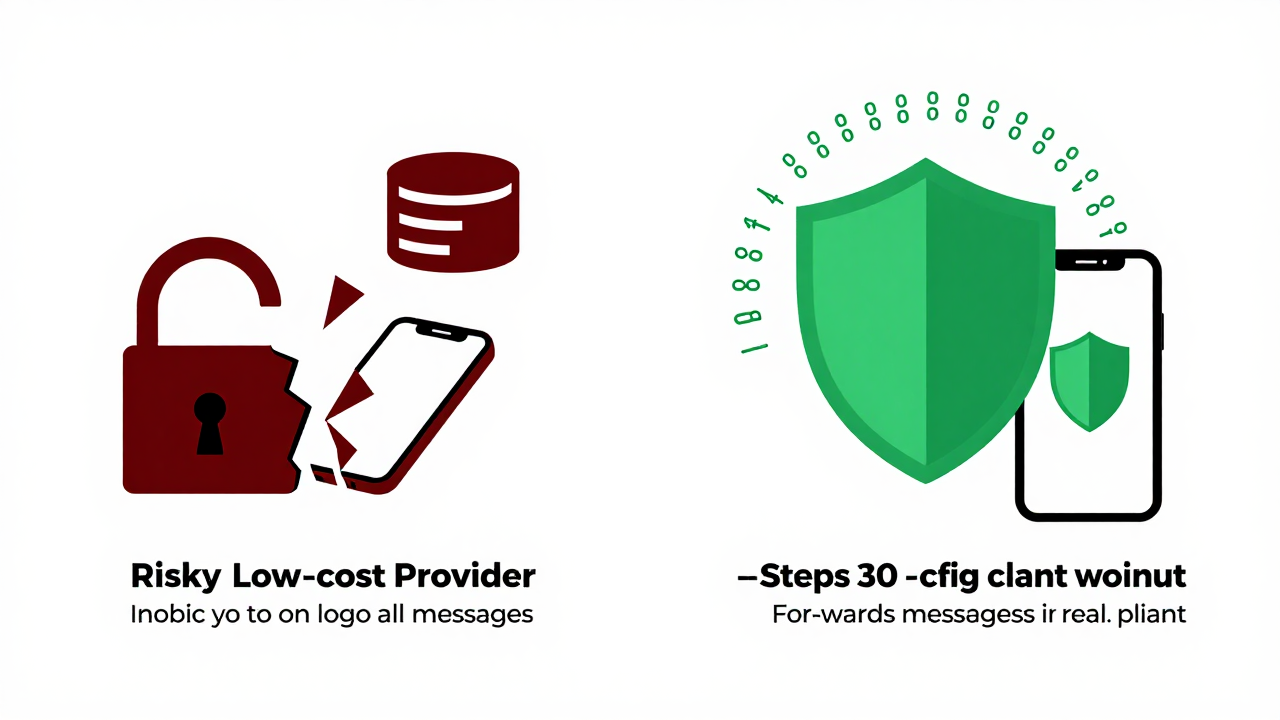
- Use an anonymous number pool, so numbers aren't tied to any customer's real identity.
- Forward SMS content in real time only, with no plaintext stored on the server side.
- Recycle used numbers systematically to prevent them from being reused.
- Implement anti-abuse rules that automatically flag suspicious requests.
| Feature | Risky Low-Cost Provider | Compliant SMS Verification Service |
|---|---|---|
| Number source | Shared or recycled numbers | Anonymous number pool |
| SMS data storage | Stored on the backend | Real-time forwarding, no plaintext storage |
| Privacy commitment | Almost none | Written into the user agreement |
| Audit support | No | Yes, data retention policy on request |
In real business scenarios, you should also ask whether the provider can support audits. For instance, request their data retention policy or simply ask, "How long do you keep your logs?" If the answer is vague, skip them.
How do you tell if a platform is actually compliant? There are clear signs. Check whether they put "we don't store SMS content" in black and white in the user agreement. Providers who commit to that and actually follow through rarely make big mistakes. Many solo operators skip this step, only to find out later the provider kept a secret copy.
At the end of the day, the answer to "is data leak risk in SMS verification really high?" and "how do SMS verification services protect enterprise information?" isn't in the marketing copy. It's in the provider's technical architecture and day-to-day operations. Whether you're running a cross-border store or a personal studio, ask one simple question before you pick a platform: "Where does my data actually go?" That single question can steer you clear of most traps.
Frequently Asked Questions
Is the data leak risk with SMS verification services really that high?
Yes, especially with low-cost platforms that skip identity checks and make no privacy commitments. In our experience, those providers often keep full SMS logs and can disappear overnight, leaving your data exposed.
How do compliant SMS verification services protect enterprise information?
Compliant providers use anonymous number pools, forward SMS content in real time without storing plaintext, recycle numbers after use, and enforce anti-abuse rules. They also document a data retention policy you can request before signing up.
What should I check before choosing an SMS verification service?
Look for a written promise in the user agreement that SMS content isn't stored. Ask about their log retention timeframe and whether they can support an audit. If they can't answer clearly, move on.