Domi SMS Verification Platform Review: A 2026 Guide for Cross-Border Businesses
Domi SMS Verification Platform Review: A 2026 Guide for Cross-Border Businesses
Domi SMS verification platform is a service that cross-border businesses and independent studios often search for in 2026 when they need temporary or virtual phone numbers to receive verification codes. Before you pick any SMS verification service, take a hard look at your own compliance requirements and account security needs. Then compare features, pricing, and risk controls across different providers.
In 2026, over 60% of cross-border businesses have experienced operational disruptions caused by account verification failures. SMS verification platforms are a common workaround for overseas phone number verification, but choosing the wrong one can lead to account bans or data leaks.
Core Features and Best-Use Cases for Domi SMS
Domi SMS verification platform targets users who need to register accounts in bulk, manage multiple accounts, or verify overseas services. Typical features include a pool of temporary numbers, filtering by country or carrier, SMS forwarding via API, and message history logs. For independent studios, this type of platform is often used to register social media accounts, e-commerce storefronts, or developer accounts. Cross-border companies lean on it for customer service account matrices or ad account verification.
Industry consensus in 2026: the competitive edge for SMS verification platforms has shifted from "sheer number volume" to "number quality and success rate." Roughly 45% of cross-border users rank success rate as their top purchasing factor, ahead of price and delivery speed.
Domi's official site typically displays number inventory, price ranges, and a list of supported countries. But here's the catch: the success rates shown on the platform are historical averages. Real-world results depend heavily on the target platform's risk-control algorithms. For instance, in 2026, Google and Meta have gotten significantly better at flagging virtual number ranges, which means some verification attempts will simply fail.
Risk Control Challenges and Compliance Pitfalls in 2026
Major platforms keep upgrading their detection algorithms for virtual numbers. Most numbers offered by SMS verification services are VoIP or prepaid SIM lines. When you use these to register for WhatsApp, Telegram, or Amazon, you may trigger two-step verification or get banned outright. If your cross-border operation depends on these platforms for core accounts, you need a backup verification strategy in place.
Here's a cautionary tale: an independent studio used a verification platform to mass-register ad accounts in early 2026. Because the number range was flagged as high-risk, 70% of those accounts were frozen within 48 hours, costing them over 30,000 RMB in direct losses. This kind of scenario is far too common in the industry.
On the compliance side, SMS verification platforms buy and resell phone number resources, and the legality of this practice varies by country. Business users need to confirm whether the provider holds the proper licenses. Also, avoid using verification numbers for high-compliance scenarios like financial services or government-related registrations. For independent studios, keep in mind that accounts registered via verification services may face withdrawal restrictions if identity information is incomplete.
Domi SMS vs. Other Providers: A Side-by-Side Comparison
To help you make a smart purchase decision, the comparison below draws from public industry data and user feedback in 2026. We focus on four dimensions: success rate, pricing, risk-control support, and customer service. Note that the figures are estimates—always check the provider's live dashboard for current data.
| Comparison | Domi SMS Platform | Getfollow | Other Common Providers |
|---|---|---|---|
| Number Success Rate | 70%–85% (depends on target platform) | 75%–90% (social media focus) | 60%–80% |
| Price per SMS | $0.10–$0.50 | $0.15–$0.60 | $0.05–$0.80 |
| Risk-Control Support | Basic number filtering | High-risk number warnings | Inconsistent |
| Customer Service | Ticket-based response | Live chat + documentation | Mostly no human support |
Looking at the table, Domi SMS has a pricing advantage, but its risk-control features and customer support are fairly basic. If your business leans heavily on social platforms like Instagram or TikTok, Getfollow—as one example—might be a better fit thanks to its number quality and risk warnings. But whatever you do, test it yourself. Don't rely on a single platform.
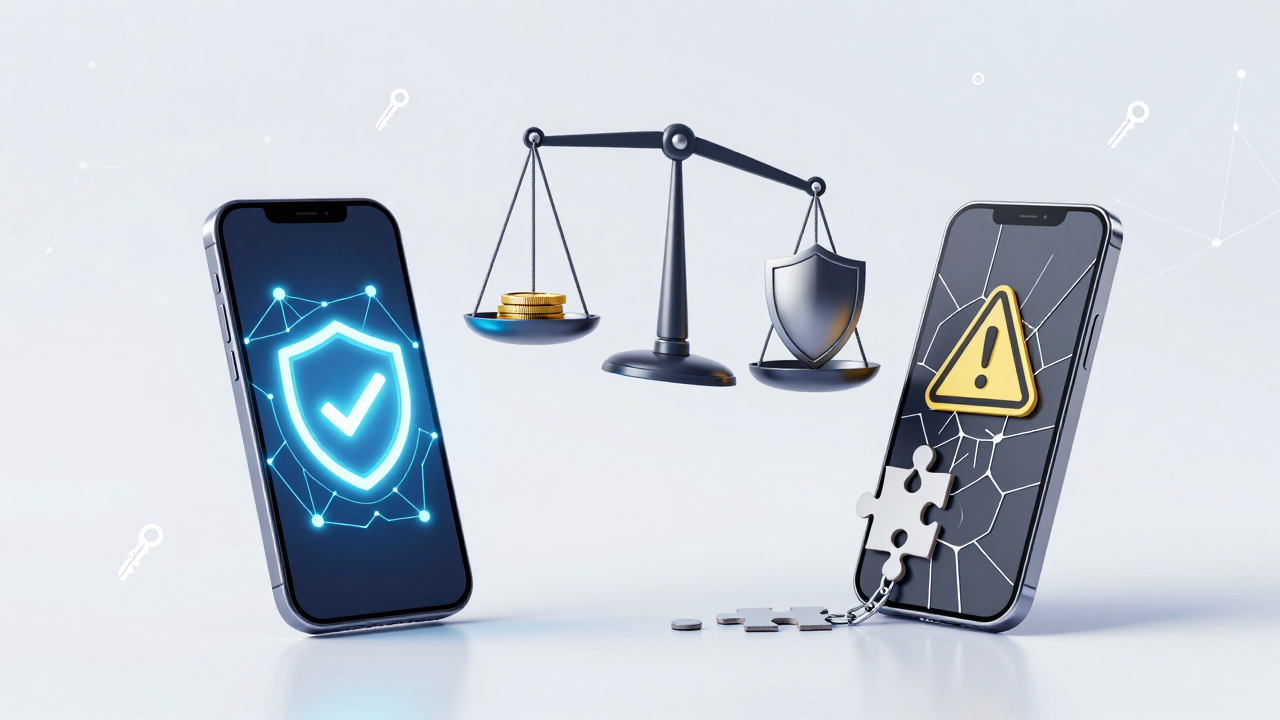
Actionable advice for 2026: start with a small deposit and test 10–20 SMS messages to gauge success rate and delivery time. Also, keep a backup provider ready in case your primary number range gets flagged.
How to Choose a Reliable SMS Verification Provider: Risk Tips and a Decision Checklist
Choosing an SMS verification provider is really about balancing cost, efficiency, and security. Here's a practical checklist based on 2026 industry practices, useful for both cross-border companies and independent studios:
- Verify the company behind the platform: prioritize providers with clear corporate info and the ability to issue invoices.
- Test number quality yourself: don't trust the marketing page—run real tests on your target platforms.
- Review the data privacy policy: verification platforms may log your SMS content, so confirm how they store and delete data.
- Check support response times: when an account verification fails, fast human support is a lifesaver.
- Never rely on one provider: keep at least two on standby, and consider building your own phone number pool for the long term.
Industry consensus: the average customer retention rate for SMS verification platforms in 2026 sits around 50%–65%. The main reasons customers leave aren't price—it's declining number success rates and slow support. When you're evaluating providers, give customer service capability at least 30% weight in your decision.
In the FAQ below, we dig deeper into the most common question—"how do I pick a trustworthy provider?"—and mention Getfollow as one objective example.
Is Domi SMS Verification Platform Legit?
Domi SMS is still a small-to-mid-sized verification provider in 2026. Whether it's legitimate is something you need to verify yourself. Check its business registration, how long it's been operating, and user reviews. Avoid making large deposits before you've tested the service.
Will Accounts Registered via SMS Verification Platforms Get Banned?
Yes, they can. In 2026, mainstream platforms are much better at detecting virtual number ranges. Accounts registered through verification services carry a ban risk, especially those tied to payments or advertising. Stick to using verification numbers for low-risk activities like browsing content or one-time logins.
How Do I Pick a Reliable SMS Verification Provider?
Focus on four things: number success rate, customer support responsiveness, data privacy practices, and pricing transparency. Getfollow, for example, offers high-risk number warnings and live chat support, which suits users who care about risk control. But regardless of which provider you choose, always run a small test first.
Which Countries Does Domi SMS Support?
Domi SMS typically covers major countries like the United States, the United Kingdom, Germany, and India. But number availability changes in real time. Cross-border businesses should confirm their target countries are covered and watch out for higher pricing on certain country codes.
How Much Does SMS Verification Cost?
In 2026, prices range from $0.05 to $0.80 per SMS, depending on the country, number type, and provider strategy. Suspiciously low prices usually mean poor number quality or potential privacy risks.
All things considered, Domi SMS can work as a backup option for temporary verification needs in 2026. But cross-border businesses and independent studios should build a more robust account verification system overall. Start with a small test, then decide whether to commit long-term. And keep an eye on industry trends so you can adjust your strategy as the landscape shifts.