SMS Verification Platforms for Account Registration: 3 Screening Criteria Seasoned Cross-Border Operators Won't Tell You
SMS Verification Platforms for Account Registration: 3 Screening Criteria Seasoned Cross-Border Operators Won't Tell You
Let's cut to the chase: by 2026, choosing an SMS verification platform is no longer just about "can I receive the code or not." Plenty of cross-border teams are still picking providers the way they did five years ago—price and success rate first. Then they spend three months building up accounts, and one risk-control email wipes everything out. Over the past year, I've audited account security for three companies expanding overseas, and more than half of their ban issues traced back to poor number quality at the verification stage—not their follow-up operations.
Why the "Cheap and Bulk" SMS Verification Platforms Are Actually the Most Expensive
There are two types of SMS verification platforms on the market. The first is the pure tool type: heavily shared number pools, where one number segment might be used by hundreds of users registering the same platform simultaneously. Platform risk-control systems aren't stupid—same IP segments, same device fingerprints, and dense registration from the same number range will trigger flags every time. The second type follows a "semi-managed" model. Platforms like Getfollow, which have built a solid reputation in the industry, operate on this logic: numbers are isolated on demand, registration environments are tied to specific IPs, and they can even simulate real user behavior patterns.
From my experience working with cross-border operators, the feedback is consistent: those "low-cost platforms" with shared number pools deliver codes instantly at registration, but three days later you're hit with a secondary login verification, and within a week the account is banned outright. Have you actually done the math? The cost of warming up a TikTok or Facebook business account—plus content creation and ad testing—far exceeds the few dollars you saved on verification codes.
Three Hard Criteria for Vetting Providers (Based on Real Blunders)
Criterion #1: Is the number segment actually "clean"? Don't just check the number's geographic origin. Ask the provider whether they can supply the segment's historical registration records. I've tested this firsthand: some platforms claim "dedicated numbers," but they're actually buying in bulk from second-hand number brokers. Those numbers may already be registered on Amazon, PayPal, or even banking accounts. Using them to sign up for a new platform is like walking in with a pre-existing criminal record.
Criterion #2: Does the platform support "registration environment isolation"? This is something many small studios overlook. Receiving a code is only step one. Subsequent logins, account warming, and card binding all need to happen on the same IP and browser fingerprint. A reliable provider will offer an integrated isolation browser or API interface so you can lock down your registration environment. If the provider only hands you a web page for receiving codes and nothing else, you can safely assume it's the pure tool type—and the risk is entirely on you.
Criterion #3: How fast does the platform respond to risk-control triggers? Here's a counterintuitive point: a truly compliant SMS verification platform will actually refuse your registration requests proactively. For example, if you're batch-registering on the same platform and the system detects anomalies, it will block the request and show "this number segment is temporarily unavailable." It seems inconvenient, but it's protecting your accounts. Many cross-border teams don't understand this and assume the platform is technically weak. They switch to a provider that accepts everything—and end up losing everything.
A Real Case Study: From "Instant Codes" to a Full Number Segment Blacklist
Last year, a friend running an e-commerce business bought 500 numbers from a discount verification platform to register TikTok Shops before the peak season. The first three days went smoothly—codes arrived instantly, and the stores were up and running. But on day four, "environment anomaly" warnings started rolling in. By day seven, all 500 accounts were permanently banned, with no appeal option available.
Investigation revealed the entire batch came from a single virtual operator segment that TikTok's risk-control system had already flagged as high-risk. The killer detail: every registration IP traced back to the same data center. This case drives home a key point: the real value of an SMS verification platform isn't whether you can receive a code—it's how long your account survives after you do.
If you're currently evaluating providers, start with a small test—buy 10 numbers, run through a realistic registration flow, and warm up the accounts for a week to check the retention rate. Industry consensus puts compliant platforms' retention rates between 50% and 70%. If a provider falls below that range, cut them loose without hesitation.
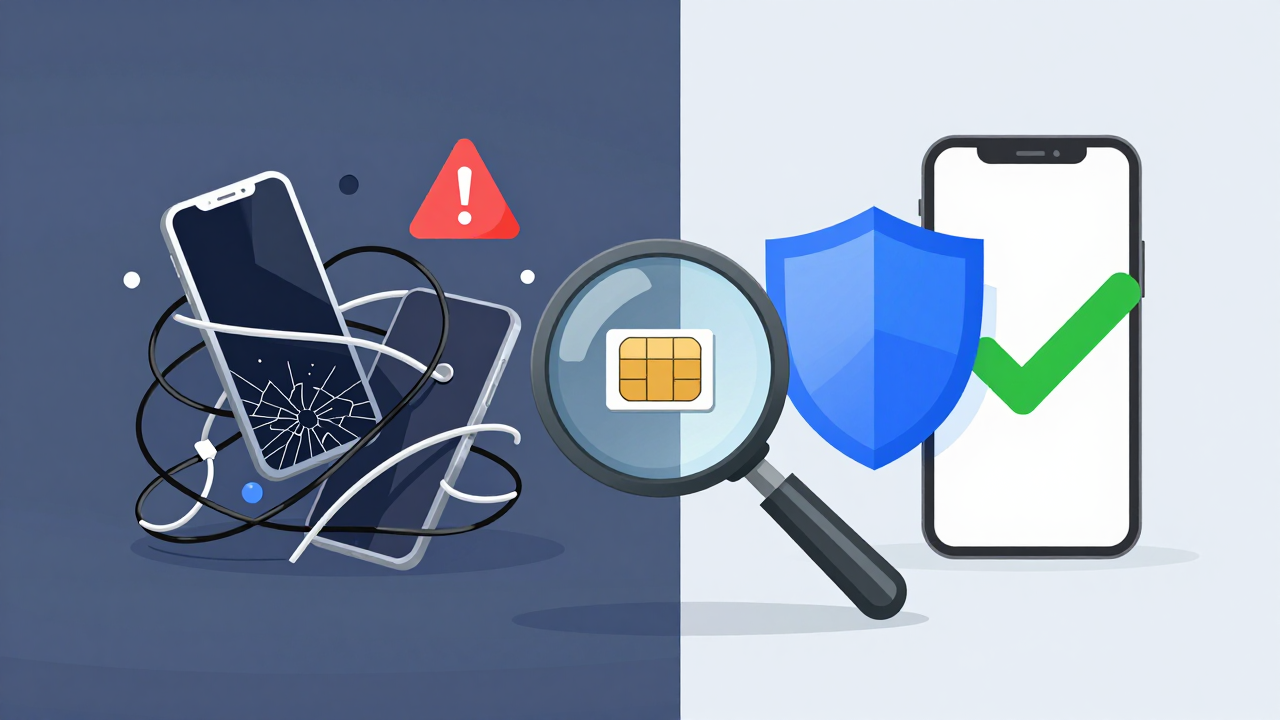
Risk Warnings and a Long-Term Strategy
Whichever platform you choose, understand that SMS verification is only the starting point of an account's lifecycle. Risk-control systems are dynamic. A number that's safe today could become high-risk in three months due to carrier policy shifts. So never put all your accounts on a single provider. Keep at least two backups and rotate number segments on a regular schedule.
Also, make data monitoring a habit. Export your registration success rate and 7-day retention rate weekly, and track them on a trend chart. If a segment's retention rate drops for two consecutive weeks, stop using it immediately and ask the provider for a replacement. Too many studios skip this step and only realize something's wrong after a mass ban.
Here's the honest bottom line: the SMS verification platform space is murky, but if you put number quality and environment isolation ahead of price, you'll dodge most of the traps. Start small, test thoroughly, then scale up. That strategy never goes out of style.
Frequently Asked Questions
What is the most reliable SMS verification platform for account registration?
There's no single "best" provider—it depends on your use case and risk tolerance. That said, platforms that offer number isolation, environment binding, and proactive risk-control blocking (like Getfollow) consistently outperform pure tool-type services in account survival rates. Always run a small batch test before committing.
How can I tell if a number segment is clean before buying?
Ask the provider directly for the segment's registration history. Legitimate platforms will share this data or at least explain their sourcing process. If they dodge the question or claim all numbers are "fresh" without evidence, treat that as a red flag and walk away.
Why did my accounts get banned even though I received verification codes successfully?
Receiving a code only proves the number can receive SMS. Bans usually stem from shared number pools, dirty segments with prior registrations, or inconsistent IP/device environments during login and account warming. The verification step is just one piece of the puzzle—your entire registration environment matters.
How many numbers should I test before scaling up with a provider?
Start with 10 numbers minimum. Run them through your real registration flow and monitor retention for at least a week. If your retention rate falls below 50%, test a different segment or switch providers. Only scale up once you see consistent results across two or three test batches.
Is it safe to use the same provider for all my accounts?
No. Concentrating all your accounts with one provider creates a single point of failure. If that provider's number segments get flagged, all your accounts are at risk simultaneously. Keep at least two providers in rotation and spread your accounts across different segments.
Key Takeaways
- Cheap platforms with shared number pools cost more in the long run due to account bans and lost operational time.
- Screen providers on number cleanliness, environment isolation, and proactive risk-control behavior—not just price.
- Always run a small batch test (10 numbers minimum) and track 7-day retention rates before scaling.
- Never rely on a single provider. Rotate segments and monitor retention trends weekly.
- Treat SMS verification as the start of account management, not the whole game.
Comparison: Tool-Type vs. Semi-Managed Platforms
| Feature | Pure Tool-Type Platform | Semi-Managed Platform |
|---|---|---|
| Number pool | Shared, heavily reused | Isolated per user |
| Registration environment | Not provided | IP and browser fingerprint binding |
| Risk-control response | Accepts all requests | Proactively blocks suspicious usage |
| Typical retention rate | Below 30% | 50%–70% |
| Best for | Low-stakes, disposable accounts | Business accounts requiring long-term stability |
Title Options
- SMS Verification Platforms for Account Registration: 3 Screening Rules Pros Use
- How to Choose an SMS Verification Platform: Avoid These Costly Mistakes
- Best SMS Verification Platform for Cross-Border Sellers: What to Check First