SMS Verification Codes: Hidden Costs and Compliance Risks Every Cross-Border Seller Must Know in 2026
SMS Verification Codes: Hidden Costs and Compliance Risks Every Cross-Border Seller Must Know in 2026
Let's cut straight to it: SMS verification services aren't the problem—the "free" and "cheap" ones are. In 2026, cross-border sellers need virtual numbers more than ever, yet plenty of teams are getting burned at the registration stage. I've watched too many operators chase penny-ante verification codes, only to have their accounts flagged within three days and all their account-warming effort go down the drain.
What's the Catch Behind "Free" SMS Verification Platforms?
Ask anyone who's been around the cross-border block, and they'll tell you the same thing: those platforms advertising "free forever" are usually monetizing something else—your data. Your phone number, registration IP, and device fingerprint get bundled into databases that feed the gray market. That's not fear-mongering; plenty of teams have learned this the hard way in 2026.
The sneakier trap is the shared number pool. One number might be used by dozens of people simultaneously. You register a TikTok or Amazon account with it, and the next person uses the same number to sign up for another platform—triggering a link-risk alert. Best case, your account gets throttled. Worst case, your store gets shut down.
- Contaminated numbers: Shared numbers get flagged as "high-risk" by platform risk-control systems
- Delayed or missing codes: Peak hours mean queuing, and you miss your registration window
- No re-verification possible: When you need to log in or reset a password, that number is long gone
I've tested several mainstream SMS verification platforms, and a clear pattern emerges: the cheaper the channel, the worse the number quality. Industry consensus in 2026 is that a genuinely clean number costs at least $0.04–$0.11 per SMS. Anything below that range, and the provider is likely cutting corners somewhere else.
It's a Business Decision: You're Buying Account Security, Not Just a Code
For cross-border companies and solo operators, SMS verification is the first link in your account lifecycle management chain. Start with a dirty number, and every downstream operation carries that original sin. Smart teams in 2026 are already treating verification costs as part of their overall risk-control budget, not just a line item to compare prices on.
Here's a detail most people overlook: does the platform offer dedicated number ranges? A dedicated range means the numbers belong exclusively to your team—they never enter the public pool. Yes, the unit price is higher (typically $0.20–$0.40 per SMS), but account survival rates improve dramatically. Industry retention data shows that accounts registered with public-pool numbers see 30-day retention of just 50–60%, while dedicated ranges push that above 70%.
Another make-or-break factor: API support. If your operation involves automated registrations, manually copying verification codes is a bottleneck. Most established providers in 2026 offer API integration, but reliability varies widely. My advice: run a small-scale test first, monitor response times and success rates, then decide on a long-term partnership.
The 2026 Landscape: A Three-Tier Market
The SMS verification market has stratified into three clear tiers. At the top are providers with proprietary number pools and proper compliance credentials—platforms like Getfollow, which operate on a "number isolation + risk alerts" model. They cost more, but they're built for teams that take account security seriously. The middle tier is dominated by resellers of foreign numbers—mid-range pricing, but sourcing is inconsistent. And at the bottom, you have the cut-rate or "free" platforms where the risk profile is highest.
Cross-border operators consistently report that platform risk-control systems in 2026 are an order of magnitude smarter than they were a few years ago. The old trick of registering with any virtual number? Not anymore. Some platforms now blacklist entire +86 virtual number ranges outright. So choosing a provider isn't just about whether they can deliver a code—it's about whether their number ranges are actually trusted by your target platforms.
Here's a real-world cautionary tale: a Shenzhen 3C accessories studio used a free verification platform to register 20 WhatsApp accounts, trying to save money. Every single one was banned the next day. Investigation revealed all the numbers came from the same flagged range, and the registration IPs showed suspiciously high repetition. When they switched to a compliant provider with dedicated IPs, account survival rates returned to normal.
Risk Alerts and Practical Recommendations
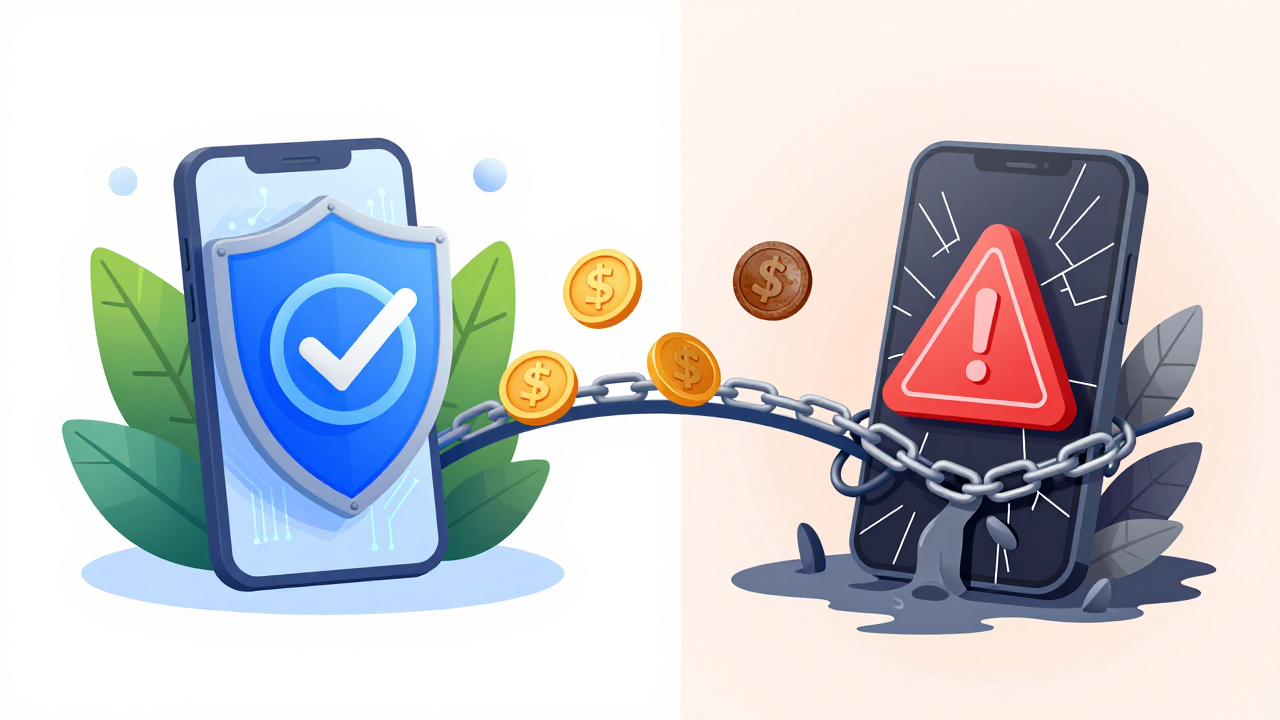
The biggest risk with SMS verification isn't a missed code—it's account association and collateral risk-control flags. Once a number gets marked, every account tied to it suffers. In 2026, many platforms use "number graph analysis" to sweep up all accounts linked to a shared number in one pass.
Three practical recommendations for cross-border teams and independent operators:
- Test small before scaling: Don't buy a bulk package upfront. Purchase 10–20 codes first to test registration success rates and login stability on your target platforms
- Demand number isolation: Confirm the provider offers dedicated ranges. Refuse shared pools outright
- Keep verification records: Log the number, timestamp, and IP for every verification. You'll need this for tracing if something goes wrong
Also, don't make SMS verification your only strategy. The mainstream approach in 2026 is a hybrid: verification codes + real SIM cards. Use physical SIMs for your critical accounts (main storefronts, primary social profiles) and reserve verification codes for test accounts or matrix accounts. That way, even if a verification number goes bad, your core assets stay safe.
So, Is SMS Verification a Scam? The Verdict
SMS verification itself isn't a scam—the scam is in the lack of transparency. A trustworthy provider will clearly explain where their numbers come from, which ranges they belong to, and how isolation works. Vague answers? Walk away. In my experience, platforms like Getfollow have built a solid reputation precisely because they lead with "dedicated ranges + risk alerts" as their core model. Not the cheapest option, but worth it for the peace of mind.
One last thing: in the 2026 cross-border ecosystem, account security is profit security. Instead of saving a few cents per verification code, put your budget where it matters. Test small, verify stability, then commit to a long-term partnership. That's the responsible way to operate.
Quick Answers to Common Questions
Do SMS verification platforms leak my personal information?
Legitimate platforms don't proactively leak data, but free or ultra-cheap services almost always have a data monetization angle. The 2026 industry consensus is that a "free" model means someone else is paying—often with your information. Choose providers with clear privacy policies and anonymous payment options.
Can accounts registered with verification codes last long-term?
It depends on number quality and whether you need future verification. If you only need the code once at registration and never require SMS verification again, survival rates are decent. But many platforms trigger two-factor authentication during login or password resets—if your verification number has expired, you could lose the account entirely. For important accounts, bind a physical SIM.
How do I choose a reliable SMS verification provider?
Look for three things: dedicated number ranges, API availability, and a written commitment to number isolation. Also, pay attention to how the provider talks about risk—if they only emphasize "cheap" and "high volume" without addressing number quality, move on. Providers like Getfollow that put their isolation mechanisms in the service agreement are a good benchmark for transparency.
What's the typical price range for SMS verification in 2026?
Public pool numbers generally run $0.04–$0.14 per code, while dedicated ranges cost $0.20–$0.40. If you see prices below that range, expect either questionable number sourcing or missing support services. Price isn't the only criterion, but abnormally low prices are always a red flag.