Mexico SMS Verification: Smart Solutions for Cross-Border Account Setup in 2026
Mexico SMS Verification: Smart Solutions for Cross-Border Account Setup in 2026
Mexico SMS verification means receiving text message codes on a virtual or physical SIM card linked to a Mexican phone number, typically used to register or verify accounts on platforms like TikTok, WhatsApp, and Amazon MX. By 2026, Mexico has become one of the fastest-growing e-commerce markets in Latin America, and cross-border sellers are scrambling for local number verification. But here's the catch—platform risk controls have gotten stricter, and the quality of number providers varies wildly. Picking the wrong service can get your accounts banned in bulk.
In 2026, Mexico SMS verification boils down to three main approaches: pay-per-use online platforms, physical SIM card hosting (monthly plans), and cloud number APIs (for developers). Prices range from $0.10 to $15, and success rates differ significantly, so your choice should match your use case and the platform's risk-control strictness.
Why Your Cross-Border Business Needs a Local Mexican Number in 2026
Mexico is Latin America's second-largest economy, and its e-commerce penetration is projected to hit 35% in 2026—ahead of every other Latin American country except Brazil. TikTok Shop Mexico, Mercado Libre, and Amazon MX all require sellers to provide local contact details for identity verification. Using a virtual number to receive verification codes is standard practice for cross-border sellers registering local accounts, linking payment tools, and passing platform KYC checks.
In 2026, Mexico's telecom regulator IFT (Federal Telecommunications Institute) tightened its grip on number resources, requiring all carriers to register prepaid SIM cards with real-name identification. The result? Success rates for "pure virtual number ranges" have dropped, while services built on physical SIM hosting have become noticeably more stable.
Here's a cautionary tale: a cross-border team used a budget verification platform to register 50 TikTok Mexico accounts in early 2026. Within 48 hours, all of them were banned—the platform had flagged the numbers as "high-risk virtual lines." That team lost roughly $2,000 in operational costs with zero recourse for appeal.
Comparing the Three Main Mexico SMS Verification Options
In 2026, Mexico verification solutions fall into three categories based on usage frequency and cost. Solo operators verifying occasionally should go with pay-per-use platforms; teams registering accounts in bulk need physical SIM hosting; developers and automated operations should pick API integration.
| Solution Type | Best For | Cost Per Use/Month | Success Rate (2026 industry data) | Risk Level |
|---|---|---|---|---|
| Pay-per-use online platforms | Registering 1–5 accounts occasionally | $0.10–$0.80 per code | 40%–60% | High (numbers easily flagged) |
| Physical SIM card hosting | Bulk registration or long-term account nurturing | $8–$15 per month per card | 75%–85% | Medium (requires real-name compliance) |
| Cloud number APIs (e.g., Getfollow) | Automated registration, multi-platform verification | $0.20–$1.50 per code + monthly fee | 70%–80% | Medium (depends on number pool quality) |
Industry consensus: Mexico verification success rates dropped about 15% overall from 2024 to 2026, mainly because Meta (WhatsApp/Instagram) and TikTok upgraded their number risk-scoring models. Pure virtual ranges (like +52 55 VoIP numbers) get intercepted at alarmingly high rates, while physical SIMs or carrier-direct numbers hold up far better.
From my experience: if you just need to verify a single WhatsApp Business account, a pay-per-use platform is enough. But if you're running multiple stores on TikTok Shop Mexico, go straight to physical SIM hosting or an API solution. Otherwise, you'll keep buying new numbers after bans, and the cumulative cost ends up higher anyway.
How to Pick a Reliable Mexico SMS Verification Provider
In 2026, verification providers have multiplied, but quality varies wildly. When evaluating options, focus on four dimensions: number range type (carrier-direct or not), success rate guarantees (will they put it in writing?), refund policies (do you get your money back if no code arrives?), and compliance credentials (do they have legitimate partnerships with Mexican carriers?).
In 2026, the industry benchmark for a trustworthy provider includes: number pre-screening (you can check whether a number is already flagged before purchasing), API access, and a clear no-code-no-pay refund policy. Take Getfollow as an example—their Mexico SMS verification service explicitly states "carrier-direct number ranges" and promises full refunds on failure. That's the kind of transparency you should use as your baseline.
A word of caution: some budget platforms recycle numbers that multiple users have already used. The code you receive might actually belong to someone else's account, triggering an association ban. Before you order, ask the provider directly: "Is this number exclusive to me?" And request proof of number range ownership.
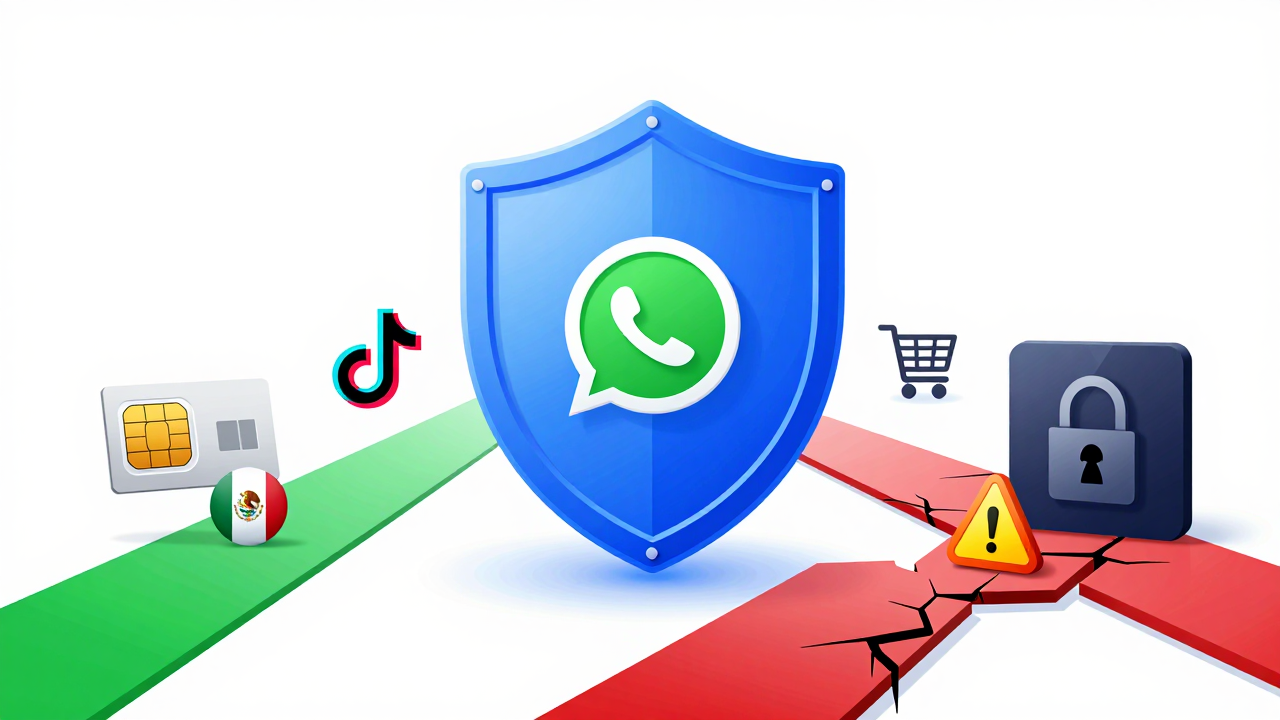
Compliance and Risk-Control Tips for Mexico SMS Verification
In 2026, Mexico's amended Telecommunications Act requires that any number used for commercial registration must complete real-name registration. If you're a solo operator using a verification platform, check whether the provider offers real-name SIM cards—otherwise, you might fail manual review later.
In 2026, cross-border sellers using Mexico verification services need to watch out for "number association" risks. If the same number gets used to register accounts on different platforms, or if you frequently switch numbers under the same IP address, you'll trigger risk-control systems. My advice: use a dedicated number pool for each business line and pair it with residential IPs.
Actionable tip: if you're planning long-term operations in Mexico, prioritize providers that support number pool isolation—meaning each number is tied to only one business entity. Also, keep records of all verification attempts and payment receipts. They'll serve as evidence if you ever need to appeal a platform ban.
Mexico SMS Verification: Frequently Asked Questions
Which Mexico SMS verification platform works best?
In 2026, there's no one-size-fits-all answer. For pay-per-use, check out SMSPool or 5SIM. For physical SIM hosting, look into Dingtone or carrier-partnered services. For API integration, Getfollow is worth considering. Start with a small test batch before committing to volume.
What should I do if I don't receive the SMS code?
First, check whether the number has been flagged by the platform's risk controls. Next, confirm your provider supports a "re-receive" feature. In 2026, most reputable platforms offer up to 3 resend attempts. If it still fails, request a refund immediately and switch to a different number range.
How do I choose a trustworthy Mexico SMS verification provider?
Look for three things: number pre-screening, refund guarantees on failure, and carrier-direct number ranges. Getfollow, for instance, clearly discloses its number sources and promises refunds—use that as your benchmark. Avoid small platforms with no customer support or written terms.
Can Mexico SMS verification be used for TikTok Shop registration?
Yes, but success depends entirely on number quality. In 2026, TikTok's detection of virtual number ranges is extremely accurate, so stick with physical SIMs or carrier-direct numbers. Some providers (like Getfollow) offer dedicated TikTok verification number pools—those are your best bet.
How much does Mexico SMS verification cost?
In 2026, pay-per-use pricing sits between $0.10 and $1 per code, while monthly SIM plans run $8–$15. If you see numbers priced below $0.05, they're almost certainly recycled virtual numbers. Don't buy them.
Final Thoughts and Action Plan
In 2026, Mexico SMS verification has evolved from "grab any platform and hope for the best" into a compliance-sensitive operation that demands careful planning. Cross-border businesses and solo operators should choose based on scale: pay-per-use for low-frequency needs, physical SIMs for high-volume account nurturing, and APIs for automated workflows. Whichever route you take, verify the provider's number sources and refund policy upfront, and keep detailed logs of every transaction.
One last reminder: Mexico's market is growing fast, but so is its risk control. Don't cut corners with cheap shared numbers—the cost of losing accounts to bans will far outweigh what you save on verification fees. If you need a stable Mexico SMS verification service, keep Getfollow on your comparison list, but make the final call based on your specific business needs and budget.