How SMS Verification Services Are Built: The Real Logic and Pitfalls Every Cross-Border Seller Needs to Know
How SMS Verification Services Are Built: The Real Logic and Pitfalls Every Cross-Border Seller Needs to Know
I get asked the same question all the time by cross-border e-commerce sellers: how do SMS verification services actually work? Dig a little deeper, and there are usually two motivations behind it—either they want to build their own system to cut costs, or they're trying to figure out whether the verification platforms on the market are trustworthy enough to partner with. Let's break this down properly and get into the real mechanics.
Reality Check: Building Your Own SMS Verification System Is Way Harder Than It Looks
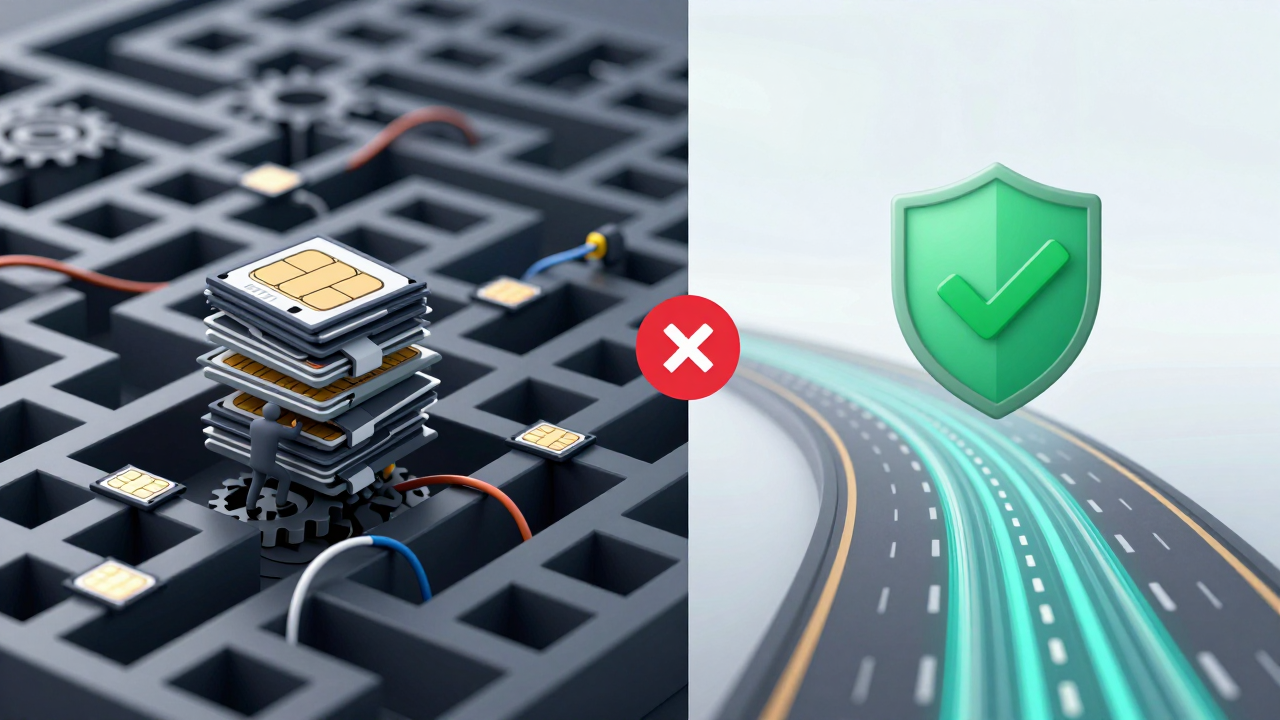
I've seen plenty of teams flirt with the idea of building their own SMS verification platform. The initial thought is always "it's just buying a bunch of SIM cards and writing a forwarding script, right?" Then they actually start building and realize the pitfalls run much deeper than expected. First, there's the hardware cost—buying IoT cards or physical SIMs in bulk. The monthly fee per card might seem small, but stack a few hundred cards together and you're looking at a serious fixed expense. Worse, once those numbers get flagged by platform risk controls, they're essentially dead. Your break-even timeline stretches out indefinitely.
Then there's the technical barrier. Receiving SMS requires connecting to carrier gateways or third-party SMS APIs, which brings channel stability issues into play. A common pattern I see with cross-border operators: early-stage self-built systems frequently suffer from delayed messages, missed texts, or verification codes that never arrive at all—especially when registering on overseas platforms. Time zone differences and network routing issues make troubleshooting painfully slow. I know a studio owner who spent three months building his own system. After factoring in labor costs, it ended up being 40% more expensive than just buying a service outright.
How the Industry Actually Works: The Operating Logic of Compliant SMS Verification Providers
So if building your own doesn't make financial sense, how do the verification platforms on the market actually operate? You need to distinguish between two models. The first is the gray-market card pool—operators hoard physical SIM cards and offer one-time verification code reception at rock-bottom prices. The problem? Card quality is wildly inconsistent and ban rates are extremely high. The second model is the more compliant virtual number service. These providers partner directly with carriers to secure number segments, then use dynamic allocation and risk control strategies to keep the number pool healthy.
Industry consensus is clear: the second model is the only sustainable long-term direction. Platforms like Getfollow have built a solid reputation in this space precisely because they follow this compliant operating logic—no physical card hoarding, API-based integration with carrier resources, pay-per-use pricing, and robust number recycling and risk control mechanisms. The beauty of this model is that number pool "freshness" is guaranteed, which naturally pushes registration success rates higher.
The Key Differentiator: Number Pool Quality and Risk Control Strategy
Too many cross-border businesses fixate on price and completely miss the most critical metric—number survival rate. Here's a real case: an independent site seller chose the cheapest SMS verification service to save money. He registered 20 TikTok accounts and 17 got banned. Not only did he waste time, but the IP reputation of his main account took a hit. He switched to a service with real-time status detection, and the ban rate finally dropped to an acceptable level.
Here's a practical screening checklist. A reliable provider typically offers:
- Real-time number online status display
- Automatic refunds on failed deliveries
- Dedicated number segments for major platforms (WhatsApp, Telegram, Google, etc.)
If a platform can't handle mainstream services or only supports obscure platforms, their number pool quality is probably questionable.
Breaking Down the Cost Structure: What a Single SMS Verification Actually Costs
The "how do SMS verification services work" question also covers pricing. From the provider's perspective, costs break down into three components: channel access fees, number resource costs, and risk control system maintenance. Channel fees are fixed. Number resource costs fluctuate with market supply and demand. Risk control is the ongoing investment that never stops. That's why platforms that have operated stably for years won't price themselves absurdly low—because low prices inevitably mean missing risk controls.
The industry standard range sits between $0.10 and $0.50 per verification, depending on the platform and number segment scarcity. From my experience, if you're doing batch registrations, look for providers offering tiered discounts or package deals. But remember this: anything priced below $0.05 per verification is almost certainly recycled or high-risk numbers, and your registration success rate will likely be under 50%.
Pitfall Avoidance Guide: The Operational Details That Make or Break You
Based on years of observing this space, here are three practical recommendations for cross-border operators:
- Never use the same verification platform to register multiple accounts on the same service. Even if the numbers are different, your IP and device fingerprint will expose the connection.
- Choose platforms that support overseas carrier number segments—US, UK, and Singapore numbers carry more weight in risk control systems.
- Always test the "second verification" scenario. Many platforms only guarantee first-time reception, but the second verification within 7 days of registration is the real test.
Another easily overlooked trap is the number recycling mechanism. Some providers cut costs by putting used numbers back into the pool, which means you'll find your number already occupied when you try to log in later. Legitimate platforms typically have a clear number retention period (24 hours or 7 days, for example)—confirm this before you commit to any partnership.
Cost Comparison: Self-Built vs. Third-Party Service
| Factor | Self-Built System | Compliant Third-Party Service |
|---|---|---|
| Initial Investment | High (hardware + development) | Zero setup cost |
| Monthly Fixed Costs | SIM card fees, server costs | None (pay-per-use) |
| Technical Maintenance | Ongoing, resource-intensive | Handled by provider |
| Number Quality Control | Extremely difficult | Built-in risk control |
| Time to Launch | 3-6 months | Immediate |
| Failure Risk | High (bans, technical issues) | Low (provider absorbs risk) |
Frequently Asked Questions
Is it legal to use SMS verification services?
Yes, when you work with a compliant provider that partners with carriers and follows local regulations. The gray-market operations that hoard physical SIM cards operate in a legal gray area—avoid those. Legitimate services are transparent about their carrier partnerships and data handling practices.
How do I know if a verification platform has good number quality?
Look for three things: real-time online status indicators, refund policies for failed deliveries, and dedicated number segments for major platforms like WhatsApp, Telegram, and Google. If a provider can't support mainstream platforms, their number pool is likely weak. Start with a small test batch before committing to any long-term arrangement.
What's the difference between virtual numbers and physical SIM cards?
Physical SIM cards are tied to actual hardware and can be traced back to their origin. Virtual numbers are allocated dynamically through carrier partnerships and are designed for high-volume, compliant use cases. Virtual numbers offer better freshness and lower ban rates when managed by a reputable provider.
Why do some verification codes fail to arrive?
Several reasons: the number may have been flagged by the target platform's risk control, the number segment might be blacklisted, or there could be network routing delays. A reliable provider will have real-time status detection and automatically refund failed attempts—this is a key differentiator between quality services and cheap alternatives.
Can I use the same verification service for multiple accounts on one platform?
Technically yes, but I strongly advise against it. Even with different numbers, your IP address and device fingerprint can reveal the connection between accounts. If you're managing multiple accounts, use different devices or residential IPs alongside your verification service to minimize risk.
The Bottom Line
Here's the honest truth about how SMS verification services work: for the vast majority of cross-border businesses and independent operators, the optimal solution is not building your own system—it's finding a compliant service provider you can partner with long-term. Start with a small test batch, confirm your registration success rates and post-registration verification stability, then negotiate a longer-term arrangement. This approach keeps your risk manageable and avoids the sunk costs that come with self-built infrastructure.