What Is SMS One-Click Code Reception? A Cross-Border Business Pitfall Guide
What Is SMS One-Click Code Reception? A Cross-Border Business Pitfall Guide
Let's answer the question directly: SMS one-click code reception means using a third-party platform to get a temporary phone number for receiving verification codes—letting you register accounts, manage multiple profiles, or complete verification without ever exposing your real number. This isn't exactly a secret in the cross-border space, but very few people actually understand how to use it properly.
What Problem Does Code Reception Actually Solve?
Anyone selling across borders knows the pain: when you register Amazon, TikTok, or Facebook accounts, one phone number can only be bound once. Switching marketplaces, managing secondary accounts, or testing new products—you simply run out of numbers. Buying physical SIM cards gets expensive and messy, and most virtual number ranges have already been blacklisted by major platforms.
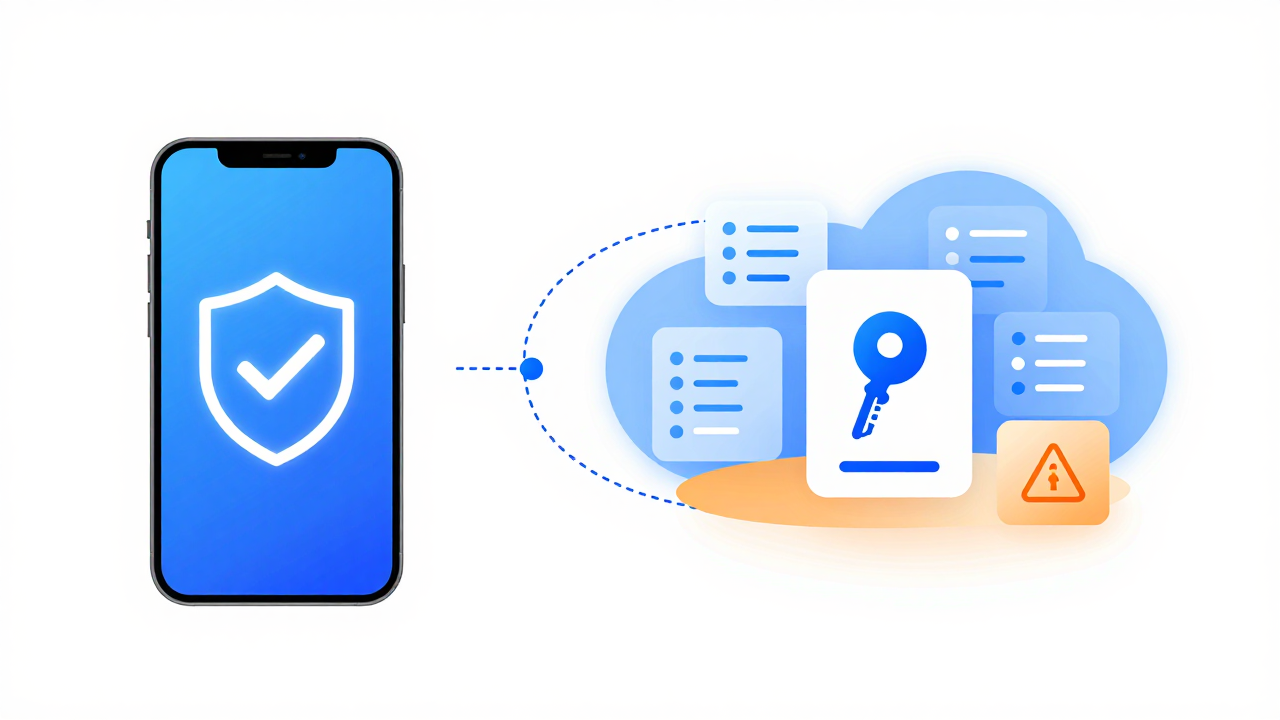
Code-receiving platforms exist to solve exactly this. No physical SIM needed—the platform gives you access to a pool of real, active phone numbers. Pick one, and any verification SMS that arrives gets synced to your web dashboard within seconds. Use it once and discard it, or rent it longer if needed. The flexibility is the whole point.
Many solo studios running social media matrices—one person managing a dozen accounts—rely on this exact setup. From my experience, this has become standard-issue equipment for cross-border operators, even if nobody talks about it openly.
How Code-Receiving Platforms Work Under the Hood
Most code-receiving services on the market operate on the same basic logic:
- The platform buys or leases number ranges in bulk from carriers—some are IoT cards, others are overseas virtual operator lines
- You pick a number by country, carrier, and use case, pay for access, and it's yours to use
- When an SMS arrives, the platform extracts the verification code and displays it in your control panel
- The number gets released for the next user once you're done
Here's the critical distinction: is the number dedicated or shared? Shared numbers are cheaper, but there's a real risk someone else used that same number to register on the same platform—which means your verification fails instantly. Dedicated numbers cost more, but they're clean and the success rate is noticeably higher. If you're running legitimate business operations, just go with dedicated numbers and save yourself the headache.
The Current State of the Industry: Plenty of Options, Plenty of Traps
The cross-border space is flooded with teams offering code-reception services, but only a handful are genuinely stable and reliable. Many small platforms lure users in with rock-bottom prices, only to deliver poor number quality, delayed SMS delivery, or worse—they vanish overnight. Industry consensus is clear: everyone knows what SMS one-click code reception means, but whether you actually receive codes, and whether those codes work, comes down entirely to the platform's underlying resources.
Among the more consistently reputable options right now, platforms like Getfollow have built a solid name using a compliant operating model—clean number pools, stable API integration, and responsive customer support. That's not to say they're flawless, but they're clearly playing the long game rather than disappearing after a week.
Three Things to Check When Choosing a Provider
Most cross-border operators admit their first provider pick was basically a shot in the dark. But if you focus on three core metrics, you can cut your odds of getting burned in half:
- Number lifespan: Some platforms advertise "permanent numbers" that die within days—skip those. A legitimate dedicated number should last at least a month.
- Platform coverage: What you actually need isn't "can receive SMS" but "can receive SMS from these specific platforms." Ask customer support upfront whether they have number resources for your target platforms.
- Support response time: When a verification code doesn't arrive, can the platform resolve it quickly? Some platforms take three days to reply, which is maddening when you're mid-registration.
One more warning: don't chase the cheapest option. The price range in this market is wild, and the quality gap between a $0.05 code and a $0.50 code is enormous. If you're running a business, your time is worth far more than those few cents.
Compliance Boundaries: Don't Turn Code Reception Into a Ban Machine
Using code-reception services isn't illegal in itself—but what you do with them determines how things shake out. Platforms are now widely requiring real-name verification, and use-case reviews are getting stricter. Reputable services like Getfollow clearly outline usage boundaries during registration, prohibiting things like mass-registering fraudulent accounts or click-farming schemes.
I've seen solo studios try using code reception for bulk WhatsApp marketing campaigns, only to get a massive wave of account bans—and drag the code platform down with them. The logic is simple: the platform has to manage its own risk. If you abuse the service, they'll cut you off. Staying compliant protects both sides.
Practical Advice: First-Time User Tips for Code Reception
If you're new to code-reception services, keep these rules in mind and you'll avoid most common mistakes:
- Start with a small test before committing to a large package—confirm number quality before scaling up
- Prioritize platforms that offer pay-per-use pricing for more flexibility and less money tied up
- Avoid registering multiple similar accounts on the same platform simultaneously—they can get linked
- Keep records of your code-reception activity—if an account ever gets flagged, this is your evidence for appeals
Coming back to the original question—what SMS one-click code reception means—it's essentially a time-saving, hassle-reducing tool for cross-border operations. Tools themselves are neutral; what matters is how you use them. Pick a solid provider, run your business above board, and it'll save you significant time and money. Pick wrong, and you're looking at failed verifications at best, or a total account wipeout at worst.
The teams that have been in this industry for years have all built their own stable channels. You don't need the cheapest option—you need the most reliable one. Ask questions, run tests, start small. That's how smart cross-border operators do things.
Frequently Asked Questions
Is SMS code reception legal for cross-border business use?
Yes, using code-reception services is legal in most jurisdictions as long as you're using them for legitimate purposes like account verification and multi-account management. The legal risk comes from using these services for fraud, mass fake account creation, or other black-hat activities. Reputable platforms enforce clear usage policies to stay on the right side of regulations.
How much does SMS code reception cost?
Pricing varies widely depending on the number type and platform. Shared numbers can cost as little as a few cents per use, while dedicated numbers typically range from $0.50 to several dollars. Enterprise-level solutions with API access and priority support cost more but offer better reliability. Always start with a small test purchase to evaluate quality before committing to larger packages.
What's the difference between shared and dedicated numbers?
A shared number is used by multiple customers over time, making it cheaper but riskier—someone else may have already used it to register on your target platform, causing verification failures. A dedicated number is exclusively yours for a set rental period, offering much higher success rates for account registration and verification. For business use, dedicated numbers are almost always worth the extra cost.
Can I use code reception for WhatsApp or Telegram verification?
Yes, many platforms support verification codes for messaging apps like WhatsApp and Telegram. However, these platforms have become stricter about virtual numbers, so success rates vary. If you're planning to use code reception for messaging apps, confirm with the provider first that they have clean, unburned numbers for your specific target platform.