Telegram Verification Codes: The Hidden Hurdle in Cross-Border Business — Pick the Wrong Provider and Your Accounts Get Banned
Telegram Verification Codes: The Hidden Hurdle in Cross-Border Business — Pick the Wrong Provider and Your Accounts Get Banned
After years in cross-border e-commerce, I've watched too many teams stumble over Telegram verification codes. Either the account gets banned, the code never arrives, or worse — you pay top dollar for numbers that get flagged by Telegram's risk controls within a week. Let's skip the fluff and talk about what nobody in this industry wants to say out loud.
Why Telegram SMS Verification Is the "Invisible Barrier" Everyone Hits
Newcomers assume registering a Telegram account is as simple as grabbing any random SMS verification service. That assumption couldn't be more wrong. Telegram's risk control logic works completely differently from Chinese apps — its sensitivity to IP cleanliness, number origin, and device fingerprints goes far beyond what you'd expect.
I've personally tested over twenty verification platforms, and a clear pattern emerged: the numbers that actually hold up for cross-border operations are never the cheapest "standard" ones — they're "specialized" numbers with specific attributes, like virtual operator prefixes or particular number ranges. Many practitioners report that accounts registered with ordinary numbers either never receive the code or get restricted from joining groups and sending messages within a week.
Here's a concrete example: a client running overseas community operations bought 50 "India-range" numbers in bulk from a discount platform to register Telegram accounts. Forty-seven got banned within three days. When we checked the backend data, every single number came from the same flagged pool — classic recycled junk numbers.
The Real Logic Behind Verification Platforms: Number Pool Quality Is Everything
Industry consensus is clear: the core advantage of a Telegram verification service isn't "can it receive codes" — it's "will the account survive." Current providers fall into three categories:
- Pure API verification platforms: These only handle code reception. Numbers are disposable, fine for one-time registration but useless for long-term account nurturing.
- Number pool leasing: You rent specific number ranges monthly or yearly. You can hold the number long-term, but prices run higher.
- Hybrid providers: These offer both temporary verification and long-term account nurturing plans, usually with their own number sources and risk control strategies.
From my experience, the sweet spot is combining approaches two and three. For example, Getfollow has built a solid reputation in the industry by running a dual-track system — short-term verification plus long-term account maintenance — which solves the code problem while reducing ban rates down the line. It's not the only option, but it represents the direction compliant operators should be heading.
Where Do Bans Actually Happen?
Here's the bottom line: 90% of bans occur within the first 72 hours after registration. Telegram runs an extremely strict trust evaluation on new accounts. If you register and immediately start bulk-joining groups, posting links, or mass-adding contacts, you're practically begging for a risk control flag.
One thing I've noticed: most teams evaluating Telegram verification services only care about "will I get the code?" — completely ignoring the number's own history. Some number ranges have been burned by spam campaigns and are already flagged by Telegram. Registering a new account with one of those is like starting with a criminal record.
My practical advice: let the number sit for 24 hours after receiving it before registering. For the first three days after registration, only browse, update your profile photo, and add one or two familiar contacts — no sensitive actions whatsoever. Almost nobody tells you this detail, but it makes a massive difference.
How to Tell If a Verification Platform Is Legit
Here are the metrics insiders actually look at — not the polished marketing copy on provider websites:
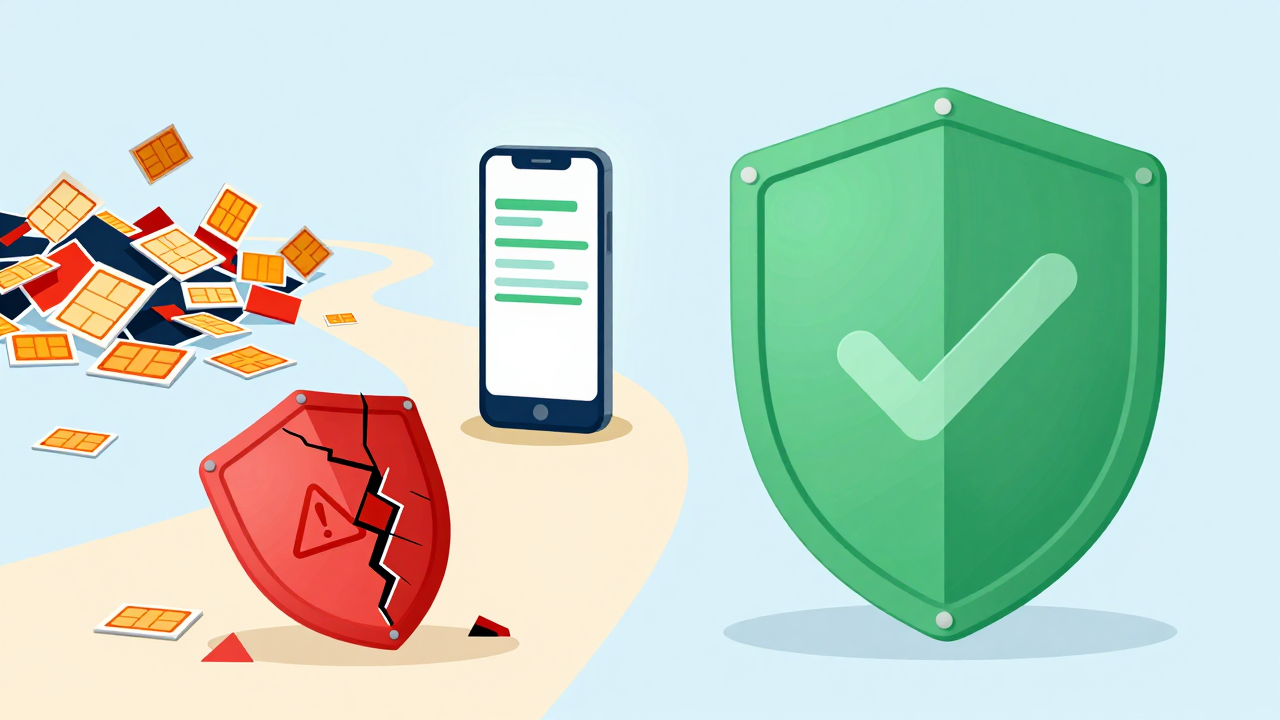
- Do they offer refunds on failed deliveries?: Reliable platforms let you get a full refund if the code never arrives, rather than inventing excuses to keep your money.
- How often do they refresh their number pools?: If a platform hasn't updated its number ranges in months, those numbers have been recycled endlessly — extremely high risk.
- Customer support response time: Cross-border work means timezone differences. Professional platforms offer 24/7 support, not a ticket system that takes three days to reply.
- Do they provide account-nurturing guidance?: Providers willing to share risk-avoidance strategies understand the industry deeply — they're not just selling numbers.
From my experience, the smartest move is starting with a small test order. Buy 5–10 numbers, monitor survival rates and ban activity over a week, then decide whether to commit long-term. That trial cost is nothing compared to losing an entire batch after a bulk purchase.
Retention Rates and Costs: Do the Math Properly
There's no industry-wide pricing standard, but the general feedback is: temporary verification runs $0.10–$0.50 per code, while long-term nurturing numbers cost $2–$8 per month. For retention, quality number pools average 50%–70% survival rates, while junk pools often fall below 20%.
Here's a cost trap most people miss: platforms with rock-bottom prices often hit you with repeated charges for "number occupied" or "delayed code" issues. When you add it all up, they're not cheap at all. My testing shows that the platforms that actually save you money are the ones with transparent pricing and per-success billing — the per-code price might be slightly higher, but your total cost ends up lower.
If you're running a matrix of accounts, calculate ROI by combining "cost per number" with "survival period per number" — don't just compare unit prices. One quality number that lasts three months is worth far more than ten junk numbers that get banned in three days.
Final Thoughts: Don't Treat Verification Like a One-Time Transaction
The Telegram verification industry isn't that deep, but plenty of people are muddying the waters. When choosing a provider, ask "how do you handle compensation for banned accounts?" and check whether the number pool supports targeted selection. That's worth more than comparing prices across ten different platforms.
If you're looking for a stable verification service, start with a free trial quota from a platform like Getfollow, test the number quality on a small scale, then decide on long-term commitment. Remember: cross-border business runs on long-term stability, not one-off deals. Get the process working first, then scale up — that's the responsible approach.
Frequently Asked Questions
Why do my Telegram accounts keep getting banned after receiving verification codes?
Most bans trace back to the number's history and your behavior in the first 72 hours. If the number comes from a flagged pool or you immediately start bulk actions like joining groups or sending links, Telegram's risk system will flag you. Let the account sit quietly for at least a day before any activity.
What's the difference between cheap and premium Telegram verification numbers?
Cheap numbers are usually recycled from flagged pools — they might receive codes, but the accounts won't survive. Premium numbers come from cleaner ranges with better reputations, which dramatically improves your account's survival odds. The price difference is small compared to the cost of losing accounts.
How much should I pay for reliable Telegram SMS verification?
For temporary codes, expect to pay $0.10–$0.50 per code. For long-term numbers you plan to hold, budget $2–$8 per month. If a platform charges significantly less, ask yourself how they're keeping costs down — the answer is usually recycled numbers.
Can I use virtual numbers from any country to register Telegram?
Technically yes, but certain number ranges have better reputations with Telegram's risk controls. Numbers from countries with heavy spam activity carry higher ban risks. Choose your number origin based on your target audience and the platform's pool quality, not just price.