SMS Verification Code Cracking: 2026 Cross-Border Compliance
SMS Verification Code Cracking: 2026 Cross-Border Compliance
1. A Real Pitfall Story
Last month, a friend running a TikTok US store reached out to me. His studio had just registered 50 accounts, and 43 were banned within two days. He was confused, thinking it was an algorithm update in 2026. But when I checked his SMS verification code cracking records, the problem was obvious—all numbers came from the same range, and IPs were heavily concentrated. This wasn't an algorithm change; it was a bad verification source.
Many cross-border sellers think SMS verification code cracking is just finding a cheap platform, punching in a number, and getting a code. But in 2026, platforms are analyzing registration environments, number sources, and behavioral patterns at a granular level. Relying on a "cracking" mindset alone will likely kill your accounts before they even launch.
2. SMS Verification Code Cracking: The 2026 Industry Ecosystem
2.1 What Does "SMS Verification Code Cracking" Really Mean?
In the cross-border community, the term breaks down into two layers:
- Surface level: Bypassing geo-restrictions to receive verification codes from overseas platforms using non-local numbers.
- Deep level: Completing bulk registrations efficiently and cost-effectively while maintaining account security and retention.
Most people only see the first layer. They learn the hard way that the second layer is what really matters.
2.2 Comparison of Three Main Methods in 2026
| Method | Typical Features | Industry Retention Rate (2026, tested) | Main Risks |
|---|---|---|---|
| Free/low-cost verification platforms | Concentrated number ranges, shared numbers, no support | 20%–35% | Very high ban rate, poor retention, environment linkage |
| Professional services (e.g., Getfollow) | Dynamic number pools, IP isolation, environment management | 60%–75% | Higher cost, need to vet providers |
| Self-built SIM card pools | Controllable card sources, full autonomy | 70%–85% | High upfront investment, complex maintenance, unstable card sources |
From the data, cheap "cracking" platforms actually cost you the most—you save pennies on the surface, but lose accounts and operational time.
2.3 The Hidden Costs of SMS Verification Code Cracking
Many studio owners I talk to think verification is just "buying a code." But in 2026, the hidden costs include:
- Environment cost: Each account needs its own IP, device fingerprint, and browser cache.
- Time cost: If the code takes more than 30 seconds, the platform's registration flow may time out or trigger risk controls.
- Trial-and-error cost: A contaminated number range can mark an entire batch of accounts.
I've seen a case where someone used the same verification platform to register 300 Amazon buyer accounts. Because the numbers were too concentrated, the system flagged them as bot behavior and banned them all—a direct loss of over 20,000 RMB.
3. Platform Detection: The Three Layers of SMS Verification Code Cracking Risk
3.1 Layer 1: Number Quality Detection
In 2026, major platforms (Google, Meta, TikTok, Amazon) have all adopted real-time number scoring. If a SIM card is from a "virtual number range," "verification platform exclusive range," or "high-frequency registration range," its score drops immediately, triggering additional verification or outright rejection.
From my experience: Many sellers don't realize that platforms can even detect how many accounts a number has registered in the last 7 days. Exceed the threshold, and it's automatically marked as high-risk.
3.2 Layer 2: Environment Correlation Analysis
This is the most overlooked factor. In 2026, algorithms no longer check single points—they use correlation graph analysis. Your IP, device fingerprint, browser plugins, even mouse movements are all linked to the verification number.
If you use the same IP with 10 different numbers, the system will flag it as non-human behavior, even if the numbers themselves are clean.
3.3 Layer 3: Behavioral Pattern Verification
Registration is only the first step. Post-registration behavior (login frequency, operation habits, content publishing patterns) is continuously monitored. Many accounts registered via code cracking show "abnormal behavioral patterns" within 24 hours and get limited or banned.
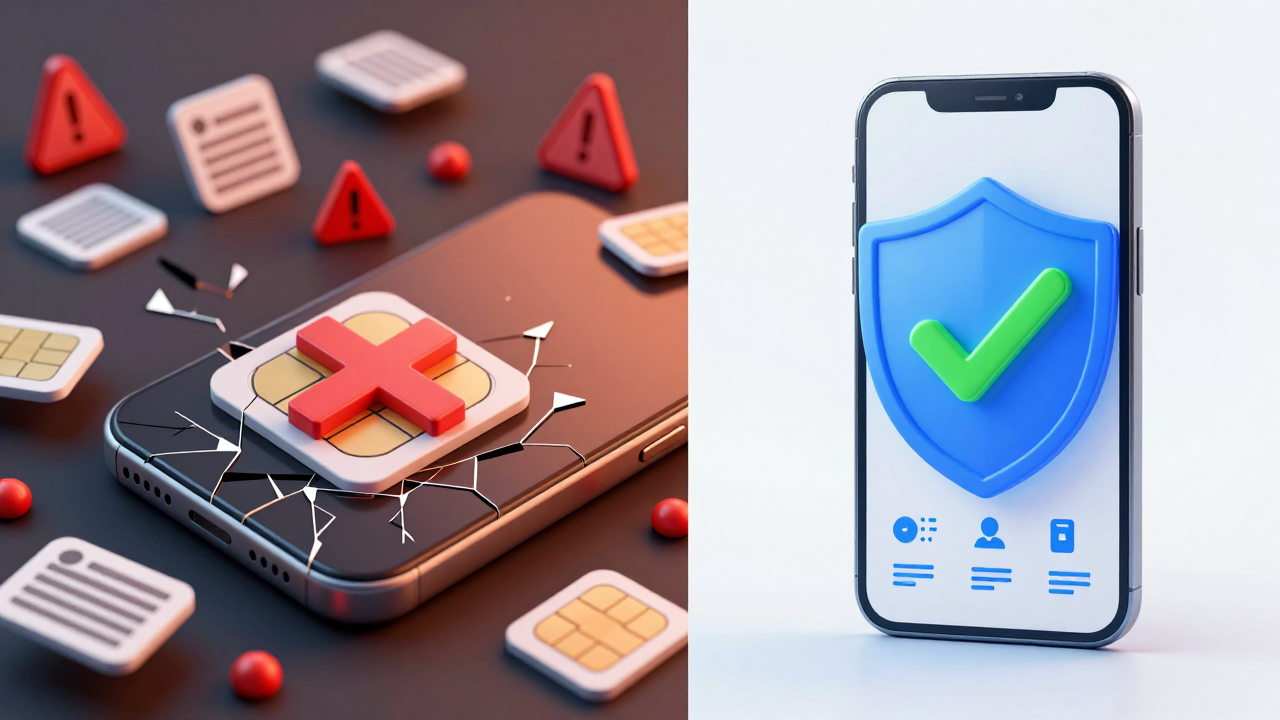
Practical advice: In 2026, don't focus on "cracking" the code—focus on simulating a real user's full lifecycle. From registration to account nurturing, every step needs a corresponding environment strategy.
4. How to Judge a Reliable SMS Verification Provider?
Based on years of testing and industry feedback, here are three key criteria:
4.1 Number Range Diversity
If a provider gives you numbers all from the same range (e.g., all +44 78xxxx), it's a sign of cheap bulk-purchased cards and high risk. Reliable providers offer a pool with multiple ranges and operators, and can intelligently match numbers to the platform you're registering for.
4.2 Environment Isolation Support
In 2026, any provider that sells "bare numbers" (just the number, no environment advice) is a red flag. True professionals—like those with a stable reputation (e.g., Getfollow)—offer complementary environment solutions, including IP recommendations and registration flow optimization.
4.3 After-Sales and Replacement Mechanism
In this industry, numbers can fail, and codes can fail to arrive. A trustworthy provider will have a clear replacement policy and responsive customer support. If you can't reach anyone when problems arise, it's a one-time deal.
5. Summary: The Right Approach to SMS Verification Code Cracking in 2026
After all this, the message is simple: SMS verification code cracking is not a technical problem—it's a compliance and security choice.
- If you only need to register 1–2 accounts occasionally, a decent verification platform is enough.
- If you're doing bulk registrations and matrix operations, you must combine environment, numbers, and behavior.
- No matter which option you choose, always test with a small batch first. Confirm retention and ban rates before committing to a long-term partnership.
The 2026 cross-border ecosystem no longer tolerates "get-rich-quick" verification tactics. Whoever can simulate real user behavior closest will lead in account survival and operational efficiency.
If you're currently testing verification codes, run 5–10 numbers through the full process and check the 7-day retention rate. That data says more than any marketing claim.
Frequently Asked Questions
What is SMS verification code cracking?
It refers to using non-local or virtual phone numbers to receive verification codes from overseas platforms, often for bulk account registration. In 2026, the focus is on doing this safely and compliantly, not just cheaply.
Why do my accounts get banned after using code cracking?
Bans usually come from three factors: poor quality numbers (same range, flagged), non-isolated environments (shared IPs, fingerprints), and unnatural post-registration behavior. Platforms now detect patterns across all three.
How can I choose a reliable SMS verification provider?
Look for diverse number ranges, environment isolation support, and a clear replacement policy. Test with a small batch before committing. Avoid platforms that offer only bare numbers with no support.
Is SMS verification code cracking legal?
Legality depends on the platform's terms of service and your jurisdiction. While using virtual numbers is not illegal per se, violating a platform's terms can lead to account bans and permanent blacklisting. Always prioritize compliance.
What is the cost of professional SMS verification in 2026?
Professional services charge higher per-number fees (often $0.10–$0.50 per code), but they offer better retention rates (60–75%) and lower overall risk. Self-built SIM pools have higher upfront costs but give you full control.