2026 SMS Verification Code Apps: A Cross-Border Seller's Guide to Picking the Right Tool
2026 SMS Verification Code Apps: A Cross-Border Seller's Guide to Picking the Right Tool
In my years working cross-border, one of the biggest headaches has always been getting stuck at the phone verification step when registering overseas accounts. By 2026, platforms have tightened their risk controls around SIM card location and registration environments significantly. Grab any random verification service and your account could be gone by the next morning. Let's skip the fluff and talk about what actually matters when downloading and installing SMS verification tools—which traps to dodge and which red flags to take seriously.
Why Is SMS Verification So Tricky in 2026?
Many cross-border professionals report that verification platforms worked reasonably well a few years back. But 2026 is a different game entirely. Social platforms and e-commerce systems have upgraded their algorithms—they no longer just check if a phone number is real. They now cross-reference IP addresses, device fingerprints, and even how long a SIM card has been active on the network.
This means if you download some sketchy verification app from an unknown source, even if you do receive the code, your account will likely get flagged as suspicious shortly after. From my own testing of several popular tools, I've noticed the same number pools being reused over and over—a pattern that almost guarantees account association bans.
So the first step isn't checking which app has the most downloads. It's understanding where the number resources come from, whether they're clean, and whether the service's logic aligns with 2026 platform risk-control rules.
1. Number Pool Quality Is Everything
Industry consensus is clear: verification platforms that still work reliably in 2026 have shifted to a "physical SIM + cloud card pool" model. Platforms relying purely on virtual number ranges have essentially died out. Risk-control systems can easily spot the high-risk signatures of virtual numbers like +44 or +1 prefixes.
I know a guy running a dropshipping store who tried saving money with a free verification tool to register a dozen TikTok accounts. Every single one got flagged as "non-human activity," and his main account got throttled too. Classic case of penny-wise, pound-foolish.
2. The Download Source Matters More Than the App Itself
People tend to search for "SMS verification app download" and click the first link that pops up. But in 2026, these tools have become a hotspot for trojans and malware. Some download sites bundle backdoor programs that steal browser cookies or even clipboard data like wallet addresses.
My advice: stick to official websites or trusted app stores. Pay attention to permission requests during installation. If a verification tool asks for access to your contacts or photo gallery, uninstall it immediately—there's no legitimate reason it needs those.
How to Evaluate a Verification Service Worth Long-Term Commitment
Since you're here looking for practical guidance, let's talk selection criteria directly. Don't expect any single tool to work flawlessly across all platforms. The 2026 reality is that each platform has different risk-control priorities. What you need is a combination strategy, not a magic key.
Here's a checklist I've put together from years of hands-on experience and industry conversations:
- Number validity period: Is the number permanent or billed by the day? Many platforms claim "lifetime use," but the number gets recycled the next day. In 2026, platforms guaranteeing 48+ hours of validity are already considered decent.
- Number range coverage: Does it support local physical SIM ranges for your target country? If you're targeting the US market, +1 physical SIM resources are more practical than +44, because risk-control weighting differs.
- API stability: If you need batch registration, API response speed is critical. Some platforms have frequent timeouts, causing verification codes to expire before you can use them—wasted money.
- After-sales support: Does the platform offer refunds or number reassignment after a failed verification? This directly impacts your trial-and-error costs.
Two Main Service Models in the Industry
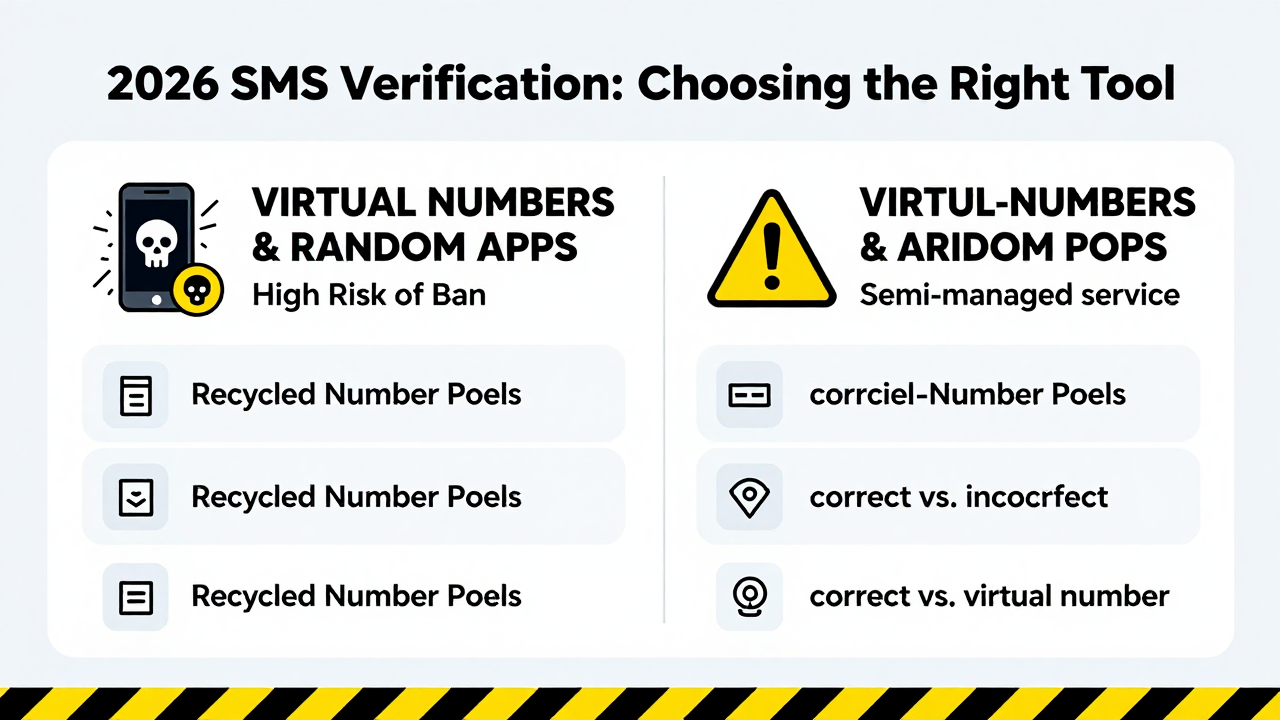
In 2026, there are essentially two types of verification service providers. One is the fully self-service platform—you top up credit, pick your number range, receive codes on your own. Cheap, but zero guidance. The other is a semi-managed service that not only provides the tool but also recommends number ranges based on your use case (like registering WhatsApp, TikTok, or Amazon) and even helps troubleshoot your environment setup.
Platforms like Getfollow have built a solid reputation in this space by following compliant operational logic—they don't just sell numbers; they also remind you whether your network environment and device status are compliant for registration. This "service + tool" model is clearly outlasting the pure number-selling platforms in 2026, simply because user retention is higher.
Common Mistakes After Installation and Real-World Pitfalls
Got the app installed and numbers purchased? Far from done. Here are traps I and people around me have actually fallen into—consider this a friendly heads-up.
Mistake 1: Reusing the Same Number Across Different Platforms
A friend in e-commerce used one verification number to register on Amazon, eBay, and Shopify. All three accounts got flagged for "abnormal device-number association." Cross-platform data sharing in 2026 is tighter than you think. Once a number gets flagged, other platforms receive risk alerts too.
What works instead: One number for one platform's primary account. Secondary accounts can be more casual, but don't cheap out on your main accounts.
Mistake 2: Ignoring the Cleanliness of Your Registration Environment
Verification apps only solve the "code" part. Platform risk control looks at the entire chain. If you're on a data center IP or a previously flagged device, registration will fail even with a correct code.
In my testing, the highest success rate in 2026 comes from: clean residential IP + incognito browser + physical SIM verification. All three are non-negotiable. Many users obsess over the verification tool itself while ignoring the environment, leading to repeated failures—and then blaming the software.
Risk Warning: Don't Treat Verification as a Silver Bullet
Let me be straight with you: SMS verification apps solve the "registration verification" step, but they don't solve "account nurturing" or "retention." Industry retention rates in 2026 hover between 50% and 70%—meaning even if you successfully register an account, there's roughly a coin-flip chance it gets restricted later due to behavioral anomalies.
So here's my advice: test small before committing long-term. Don't dump money into a big package upfront. Buy a few numbers first and test registration success rates on your target platforms. If three consecutive numbers fail, switch providers without hesitation. Don't waste time.
Also, use verification tools with restraint. If you register 20 different platform accounts in a single day using the same app, your device fingerprint will expose you even with different numbers. In 2026, platform risk control cares more about behavioral patterns than isolated data points.
Final Thoughts and Practical Recommendations
Using SMS verification apps is essentially a game of chess against platform risk control. Under 2026 rules, there are no shortcuts—only more careful execution and more reliable partners. Instead of hunting for free tools, spend a little on stable services. The time and account costs you save will far exceed the verification fees.
If you're just starting out, try a small package from a platform like Getfollow and observe number quality and support responsiveness. But regardless of which provider you choose, remember this principle: verification is just the starting point—the long-term value of your account depends on what you do after registration. Tools are static; you're the one in motion.
I hope this breakdown based on the 2026 industry landscape helps you avoid a few potholes. If you've got your own war stories, drop them in the comments—let's smooth out this road together.
Frequently Asked Questions
What is the safest way to download an SMS verification app?
Always download from the official website or a trusted app store. Avoid third-party download sites that may bundle malware. During installation, review permissions carefully—a verification app should never need access to your contacts, photos, or clipboard.
Why do my accounts get banned even with a valid verification code?
Platforms in 2026 cross-check multiple signals beyond the phone number, including IP address, device fingerprint, and SIM card history. If your network environment is flagged (like using a data center IP) or your device has been previously associated with suspicious activity, registration can still fail or get banned later.
How long do verification numbers typically last?
It varies by provider. Many platforms recycle numbers within 24 hours, while more reliable services guarantee 48 hours or longer. For long-term account stability, look for providers that offer extended validity periods and physical SIM numbers rather than virtual ones.
Can I use one verification number for multiple platform accounts?
Technically possible, but highly discouraged. Cross-platform data sharing means a flagged number can trigger risk alerts across multiple services. Use a dedicated number for each primary account to minimize association risks.
What's the difference between self-service and managed verification platforms?
Self-service platforms let you pick numbers and receive codes independently at a lower cost, but offer no guidance. Managed services provide recommendations based on your use case, help troubleshoot environment issues, and generally offer better support—making them more reliable for serious cross-border operations.