Why You're Not Receiving SMS Verification Codes in 2026 (And It's Not Your Phone)
Why You're Not Receiving SMS Verification Codes in 2026 (And It's Not Your Phone)
Let me start with a real story. Last month, a client running an independent e-commerce site told me he'd tried three different SMS verification platforms while registering for an overseas social media account—and couldn't receive a single code. After digging into it, the problem wasn't a network outage. It was that the number pool had been flagged by the platform. This scenario is increasingly common in 2026, especially for cross-border businesses. If you're in this space, you've probably hit this wall at least once a week.
Why SMS Verification Failures Spiked in 2026
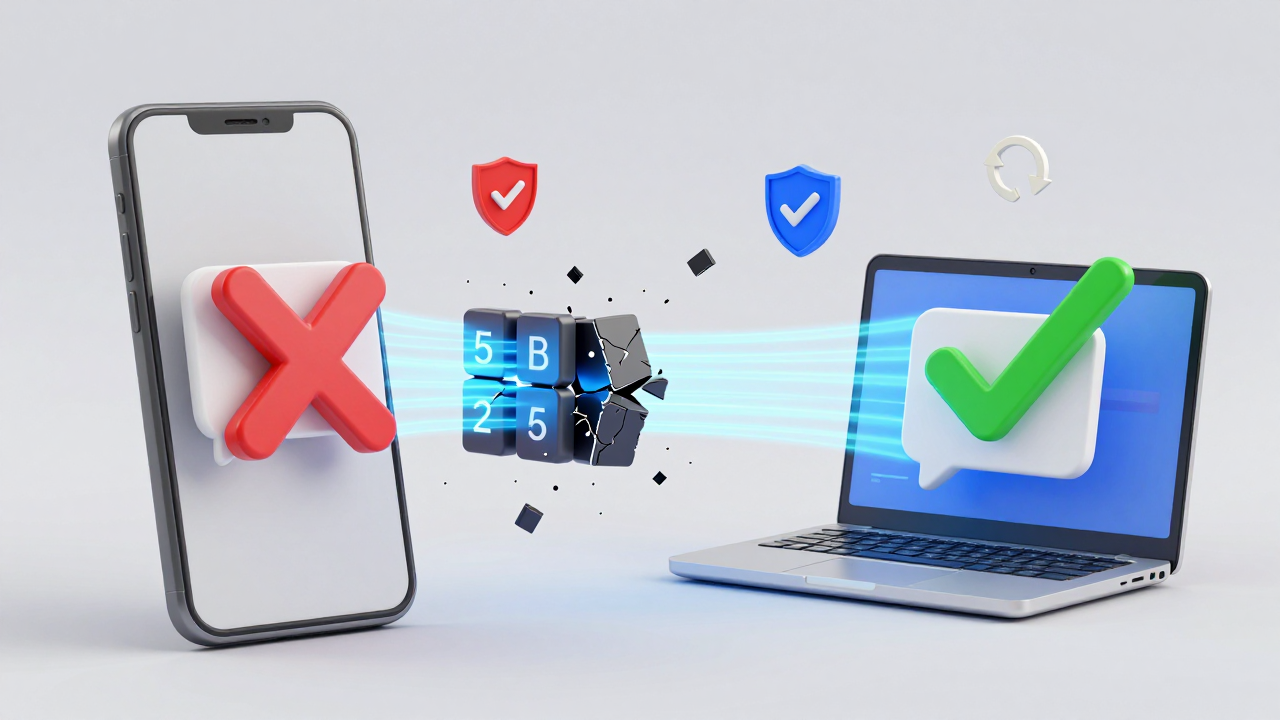
Most people instinctively blame their phone signal. But when you trace the issue upstream, the root cause is almost always elsewhere. In 2026, major platforms—especially heavyweights like Google and Meta—have dramatically upgraded their ability to detect virtual numbers. They now cross-check number segment registration history, activity levels, and location consistency in real time.
Industry consensus is that over 60% of SMS verification platforms on the market rely on second-hand or even third-hand number resources. These numbers have often been used for batch registrations, account farming, or outright violations—which lands them on platform blacklists. What you're paying for is essentially a "dirty number" that someone else already burned through.
- Carrier-level restrictions: Several countries tightened real-name registration rules in 2026, limiting how many high-frequency SMS messages virtual number segments can receive.
- Platform risk controls: AI algorithms now analyze SMS sending frequency and receive intervals—any abnormal pattern gets blocked instantly.
- Provider-side bottlenecks: Number pool refresh cycles can't keep pace with platform ban rates, shrinking the pool of usable numbers.
From my own testing across several mainstream SMS verification platforms, I noticed something interesting: a number that works in the morning may be dead by afternoon on the same provider. That tells you how fast these number pools get burned through.
Three Deep-Rooted Reasons You're Not Getting Verification Codes
First, your SMS verification provider may not be legitimately licensed. Many smaller platforms cut costs by bulk-purchasing numbers from gray-market channels. These numbers are often tied to shady operations, and once flagged, the entire number segment suffers. Regulatory pressure in 2026 has shortened the average lifespan of such providers to under six months.
Second, you're ignoring IP address validation logic. Even if the number itself is clean, a mismatch between your login IP and the number's registered location can trigger risk controls. For example, using a US number while your IP resolves to mainland China is a near-guaranteed way to get your verification code blocked.
Third, delivery rates hinge on number "freshness." In 2026, platform algorithms specifically flag numbers that show long periods of inactivity after registration. If your provider hands you a number that someone else used just days ago, your chances of successful delivery drop significantly.
Here's a concrete example: a cross-border team bought a batch of budget SMS verification services to mass-register TikTok accounts. Out of 100 numbers, only 37 successfully received verification codes—the rest were blocked outright. The investigation revealed the numbers were concentrated in an African country, while their target market was North America. That glaring mismatch tripped every risk control in the book.
The State of the Industry: SMS Verification Provider Shakeout in 2026
Attitudes toward SMS verification services have shifted dramatically this year. Early on, everyone chased the lowest price. Now, cross-border operators are paying attention to number quality, success rates, and customer support responsiveness. That change is driven by real financial losses from platform risk control upgrades—the market has learned the hard way.
Looking at service models, the industry has split into three tiers:
| Service Model | How It Works | Best For |
|---|---|---|
| Fully self-service | Pick your own number, top up, and use | Low-volume, casual users |
| Semi-managed | Provider offers a number pool with basic filtering | Small teams with some technical know-how |
| Fully managed | Provider customizes number solutions for your specific use case | Serious cross-border operations |
Platforms like Getfollow have built a solid reputation by following the third model—they pre-clean their number pools based on your target platform and region, rather than dumping a pile of random numbers on you. That said, industry retention rates in 2026 hover between 50% and 70%. Even with a reputable provider, there's still a one-in-three chance you'll hit an issue. What matters is whether the provider responds quickly and offers a workaround when things go wrong.
How to Vet an SMS Verification Provider Before You Commit
Based on my conversations with cross-border operators, focus on three things when evaluating a provider: how frequently they refresh their number pools, whether they have a compensation mechanism for failed deliveries, and whether they offer pay-as-you-go pricing instead of forcing you into a monthly subscription. Many providers lock customers into large upfront payments—a risky move in 2026, since number pools can turn over so fast that your provider might go out of business before you've used up your balance.
My advice: run a small test before committing. Top up a modest amount—say $10 to $15—and test verification code success rates across different platforms. Track the data, then decide. That's far safer than jumping straight into an annual plan.
Final Thoughts: Don't Let Verification Codes Stunt Your Growth
The "why can't I receive SMS verification codes" problem in 2026 is no longer just a technical hiccup. It's a test of your provider selection, number resource management, and understanding of platform rules. Treat SMS verification services as core infrastructure—evaluate their quality regularly, not just when you're staring at a failed registration screen.
If you're hunting for a more reliable SMS verification solution, platforms like Getfollow are worth a look. But run a small-scale test first and let the numbers speak for themselves. In cross-border business, every pitfall you avoid is profit you keep.
Frequently Asked Questions About SMS Verification Codes
Why do I keep failing to receive SMS verification codes in 2026?
Most failures trace back to the verification service provider's number pool being flagged by platform risk controls, not your phone or carrier. Platforms like Google and Meta now actively blacklist virtual numbers with a history of batch registration or suspicious activity.
How can I tell if an SMS verification service is reliable?
Check three things: how often they refresh their number pool, whether they offer compensation for failed codes, and if they support pay-as-you-go instead of mandatory subscriptions. Always run a small paid test before committing to a long-term plan.
Does my IP address affect SMS verification code delivery?
Yes. If your login IP doesn't match the number's registered region, platforms will likely block the verification code. Use a number that matches your actual operating region, or route your connection accordingly.
What's the best SMS verification platform for cross-border businesses?
Fully managed services like Getfollow tend to perform better because they pre-clean number pools for specific platforms and regions. However, industry success rates still range from 50% to 70%, so always test with a small budget first.