API SMS Verification: The Hidden Backbone of Cross-Border Business
API SMS Verification: The Hidden Backbone of Cross-Border Business
After years in cross-border e-commerce, I've watched too many teams stumble at the account registration stage—not because of product selection or ad spend, but because they couldn't receive verification codes. Numbers flagged by risk controls, batch registrations leading to batch bans. API SMS verification might seem like a minor detail, but it determines whether your entire account infrastructure stands or crumbles. Let's skip the fluff and get straight into how this works.
Why Cross-Border Operations Can't Function Without API SMS Verification
When independent sellers first expand overseas, they typically register accounts using personal phone numbers. That works fine for the first few accounts. But once you're juggling multiple social media profiles and e-commerce storefronts, you quickly run out of phone number options. The bigger problem? Using the same number across multiple accounts triggers platform risk controls, which can result in mass account bans.
The core value of API SMS verification is straightforward: it delivers SMS verification codes from temporary or dedicated numbers directly to your business system in real time. This means you can register and verify accounts in bulk while maintaining physical separation between them. Industry observers agree this system has become non-negotiable infrastructure for cross-border operations.
But not all infrastructure is created equal. I've personally tested over a dozen verification platforms, and the differences in number quality, delivery speed, and success rate are massive. Some platforms advertise a "million-number pool" when fewer than 30% of those numbers actually work. Others deliver codes so slowly that they expire before you can use them—money down the drain.
Three Main Service Models for API SMS Verification
Current API SMS verification services generally fall into three categories. Understanding the differences will save you a lot of trial and error.
- Pay-per-use: Best for solo operators or low-frequency usage. Each code costs between $0.10–$0.50. Flexible, but the per-unit price adds up.
- Monthly subscription: Suited for teams with consistent volume. Plans typically run $50–$200 per month and include a set number of codes, with overage fees beyond that.
- Custom API solutions: Built for companies with technical capacity, offering dedicated number pools, callback endpoints, concurrency controls, and other advanced features. Pricing requires a sales conversation.
Here's a trap worth knowing about: platforms that advertise rock-bottom prices usually recycle their number pools so heavily that the numbers end up flagged by major platforms. That cheap verification code you bought might get your account through registration, only to trigger a secondary verification or outright ban moments later. From my testing, low-cost number pools typically see account survival rates between 50%–70%, while premium number pools push past 90%. That gap directly impacts your long-term operational costs.
Three Critical Details Most Buyers Overlook When Choosing a Provider
Most cross-border sellers I've spoken with only compare price and success rates, missing the subtler risks. Here are three pitfalls I've either hit myself or watched others hit.
First, verify whether the number's region is legitimately traceable. Some platforms use virtual or VoIP numbers disguised as physical SIM cards. You'll receive the verification code during registration, but the moment a human review is triggered, the facade collapses. I know an e-commerce seller who registered 30 storefronts using these numbers—all 30 were frozen within a week, and appeals went nowhere.
Second, examine how professional their API documentation is. This reflects the platform's actual technical capability. A legitimate API SMS verification service should provide complete interface documentation, error code references, and callback mechanisms. If all you get is a bare HTTP endpoint with no parameter specs, you're almost certainly dealing with a reseller, and stability is a pipe dream.
Third, understand their number recycling policy. Many platforms return a number to the pool after a single use, meaning the next customer gets it. If that number was previously involved in suspicious activity, using it for new registrations puts you at serious risk. Platforms with solid reputations—like Getfollow—use a dedicated number locking mechanism: one number serves one customer for the duration of its validity, then gets retired. This approach eliminates cross-account association risks at the source.
The Compliance Boundaries of API SMS Verification and Ban Risks
Let's be honest: API SMS verification is a neutral tool—its compliance depends entirely on how you use it. If you're deploying it for mass account registration, account farming, or fake order operations, getting banned is just a matter of time. Many cross-border operators report that platform risk control systems have been significantly upgraded since 2025, with much higher detection rates for abnormal registration behavior.
My recommendation is to use API verification for legitimate purposes: number isolation when managing multiple storefronts, receiving verification codes on local numbers for overseas business needs, or testing SMS verification flows in staging environments. In these scenarios, a verification platform is a productivity tool, not a loophole to exploit.
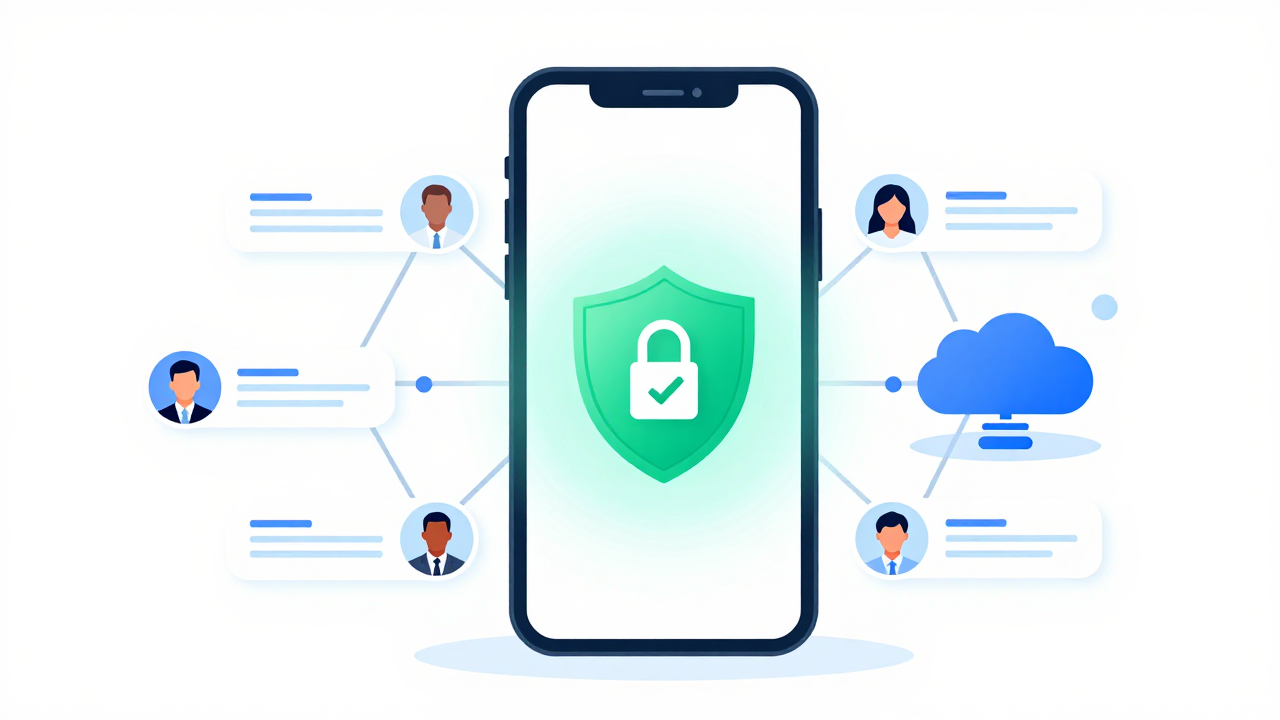
Also, pay close attention to the provider's data privacy policy. When your business system calls their API, phone numbers, verification codes, and business data all pass through their servers. If their data management practices are sloppy, your customer information could be exposed. Most people never think about this until it's too late.
How to Test Whether a Verification Platform Is Worth Your Money
Rather than trusting marketing claims, test the platform yourself. Before committing to any long-term partnership, run a small-scale evaluation using this checklist:
- Start with a $10–$20 deposit—don't buy a large package upfront
- Run a complete registration flow using the sample code from their API docs
- Measure the response time from number request to code delivery—anything over 10 seconds is a dealbreaker
- After registration, check account status at 24 hours and again at 72 hours
- Search whether the test number appears in search engines or blacklist databases
This process alone will eliminate roughly 80% of low-quality platforms. For the remaining 20%, compare pricing, customer support response times, and API stability to make a confident decision.
Reputable providers—Getfollow being a good example—welcome small-scale testing before you commit to a long-term plan. That willingness itself signals confidence in their product. If a platform refuses even a small test order, their number quality almost certainly can't withstand scrutiny.
Final Thoughts: Treat API SMS Verification as a Long-Term Investment
API SMS verification isn't a one-off transaction. The platform you choose directly affects the security of your account system and the continuity of your operations. Rather than spending hours appealing bans and rebuilding accounts after the fact, invest a little time upfront to pick the right partner.
My advice remains the same: test small first, then commit long-term. No matter how attractive the marketing sounds, validate it against your own use case. Your account system is the foundation of your cross-border business, and API SMS verification is the first line of defense protecting that foundation.
If you're currently evaluating verification providers, turn the criteria above into a checklist and compare them side by side. Price matters, but number quality, data security, and service stability each outweigh saving a few dollars. Cross-border e-commerce is already a difficult path—don't let a basic infrastructure choice like SMS verification hold you back.
Frequently Asked Questions About API SMS Verification
What is API SMS verification and how does it work?
API SMS verification is a service that delivers SMS verification codes to your business system through an API interface. Instead of using a physical phone, your system requests a number, receives the code in real time, and uses it to complete account registration or verification—all programmatically.
How much does API SMS verification cost?
Pricing varies by provider and service model. Pay-per-use plans typically charge $0.10–$0.50 per code, while monthly subscriptions range from $50–$200 and include a set number of codes. Custom enterprise solutions are priced through direct negotiation.
What's the difference between a dedicated number and a shared number pool?
A dedicated number is locked to a single customer for a set period, eliminating cross-account association risks. Shared number pools recycle numbers across multiple customers, which increases the chance of using a flagged number and triggering platform risk controls.
Is using an SMS verification platform legal?
Yes, when used for legitimate purposes like multi-account management, testing, or receiving codes on local numbers. However, using these services for fraudulent activities—bulk fake registrations, account farming, or fake orders—violates platform terms and carries serious ban risks.
How do I choose a reliable SMS verification provider?
Run a small-scale test before committing. Check number quality, delivery speed (under 10 seconds), account survival rates at 24 and 72 hours, and whether numbers appear on blacklists. Also review their API documentation quality and data privacy policies.