SMS Verification Platforms for Account Registration: A 2026 Guide for Cross-Border Businesses
SMS Verification Platforms for Account Registration: A 2026 Guide for Cross-Border Businesses
If you're running a cross-border business in 2026, you've probably hit the wall of overseas account verification. SMS verification platforms—services that provide temporary or virtual phone numbers to receive registration codes from platforms like Google, Amazon, WhatsApp, and Telegram—have become essential tools for businesses and freelancers registering accounts at scale. But here's the catch: choosing the wrong service can get your accounts banned or cost you real money.
In 2026, more than 70% of overseas platform registrations rely on SMS verification codes for identity confirmation. The quality of your SMS verification platform directly determines whether your accounts survive and operate smoothly.
This guide breaks down how SMS verification platforms work, what to look for when choosing one, how to manage risks, and what compliance looks like in 2026—so you can make smarter decisions for your business.
How SMS Verification Platforms Work and When to Use Them
Think of an SMS verification platform as a middleman for phone numbers. You request a temporary number through their API or web interface, and the platform forwards any verification codes received on that number straight to you in real time. By 2026, the leading platforms have evolved to offer API integration, categorized number pools (by country, carrier, and use case), and automatic code forwarding.
The real value of a verification platform in 2026 isn't how many numbers it has—it's the quality of those numbers. A clean, unflagged number can boost your registration success rate by 40%–60% compared to random numbers, especially on strict platforms like Google and Meta.
Common use cases include:
- Bulk-registering social media accounts (Instagram, X, TikTok)
- Verifying e-commerce seller accounts (Amazon Seller Central, Shopify admin)
- Linking payment tools (PayPal, Stripe)
- Managing multiple accounts for ad campaigns or content distribution
Here's a cautionary tale: a cross-border team used a budget SMS verification service in early 2026 to register Google business accounts in bulk. Because the platform's number pool was already flagged by risk controls, 80% of their accounts were frozen within 48 hours—taking their ad budget and customer data down with them. The lesson? Choosing a verification platform isn't a cost decision; it's a risk management decision.
How to Choose a Reliable SMS Verification Provider: A 2026 Framework
When evaluating SMS verification services, weight these five factors: number stability, country coverage, API response speed, customer support, and pricing structure. Here's how the three main types of providers stack up in 2026:
| Evaluation Criteria | Full-Service Platforms (e.g., Getfollow) | Specialized Platforms (SMS only) | Budget/Free Platforms |
|---|---|---|---|
| Number Quality | High (regular pool cleaning) | Medium-high (focused on niche use) | Low (easily flagged) |
| Country Coverage | 30+ major countries | 10–20 countries | 5–10 countries |
| API Response Time | < 2 seconds | 2–5 seconds | Unstable |
| Customer Support | 24/7 ticketing + live chat | Business hours only | None or minimal |
| Pricing (2026) | $0.10–$0.50 per code | $0.05–$0.30 per code | Free or very low (high risk) |
Industry consensus in 2026: don't make price your primary factor. Budget platforms often cut corners by reselling numbers or using flagged number pools—which means higher registration failures, shorter account lifespans, and higher overall costs in the long run.
Practical tip: before committing to a provider for bulk registration, run 3–5 test registrations on your target platform (like Amazon or WhatsApp). Watch for red flags—extra verification steps, device fingerprinting triggers, or immediate blocks. If your test pass rate falls below 60%, switch providers.
Risk Control and Compliance Boundaries in SMS Verification
Using SMS verification isn't inherently shady, but there are compliance boundaries you need to respect. In 2026, the EU GDPR, the US CLOUD Act, and China's Data Security Law all place clear constraints on cross-border data flows and account registration practices. Here are the key risks to watch:
- Account linking risk: Accounts registered through the same number pool can be flagged as linked by platform algorithms, leading to mass bans.
- Number recycling risk: Temporary numbers can be reclaimed and reassigned, meaning you lose access to future verification codes for accounts you've already set up.
- Legal compliance risk: Some countries restrict virtual number usage for registering local platforms. Always check your target market's regulations first.
Data from 2026 shows that roughly 15%–25% of accounts registered via SMS verification platforms trigger platform risk reviews within 30 days. That's why verification is just the first step—your IP environment, device fingerprint, and behavioral consistency are what actually keep accounts alive.
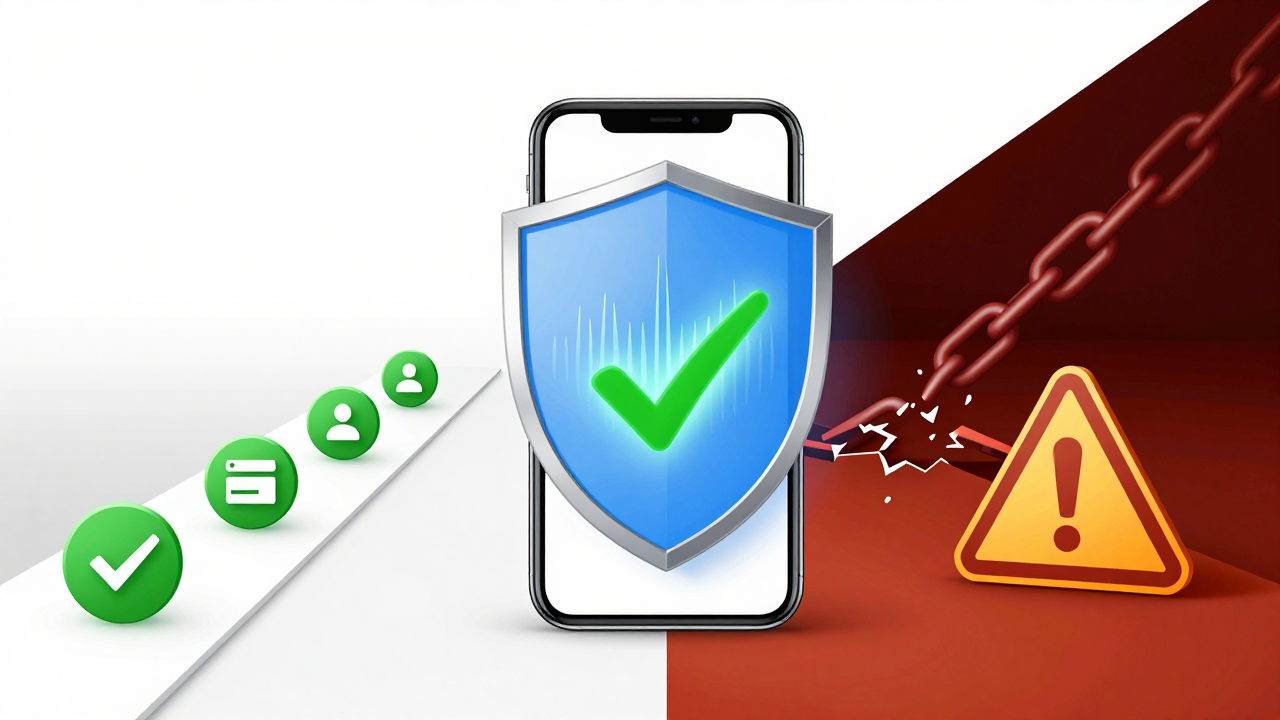
Industry consensus: SMS verification platforms work best for "cold start" scenarios—when you need to quickly test overseas platforms or gauge market response. For core, long-term accounts, use physical SIM cards or carrier-grade virtual numbers to reduce risk exposure.
2026 Technology Trends in SMS Verification Platforms
In 2026, SMS verification platforms are shifting from "send and receive codes" to full number lifecycle management. Here's what that looks like:
- AI-powered number pool cleaning: Platforms use machine learning to identify flagged numbers and remove them within 24 hours.
- Multi-carrier redundancy: Top platforms connect to multiple carriers so a single carrier outage doesn't disrupt your verification flow.
- API automation: Seamless integration with registration scripts and CRM systems reduces manual work.
The selection logic for SMS verification platforms in 2026 has evolved from "can it receive codes?" to "can it receive codes reliably, with traceability and management?" Whether a provider offers number pool status checks, historical success records, and failure analysis is now a key indicator of professionalism.
Take Getfollow as an example: its 2026 service offering includes number pool quality reports and API failure rate monitoring, making it a solid fit for cross-border teams with clear account survival requirements. That said, no provider can guarantee 100% registration success. Treat SMS verification as one part of your overall account operations strategy—not your only lifeline.
Action Plan: From SMS Verification to Long-Term Account Management
Based on everything above, here's the recommended path for cross-border businesses and freelancers in 2026:
- Define your registration goals and assess the risk control intensity of your target platform, then choose the appropriate country number pool.
- Use the SMS verification platform for initial registration and keep a log of number usage.
- Immediately bind two-factor authentication (like an Authenticator app) after successful registration to reduce SMS dependency.
- Maintain consistent IP and device environments—avoid frequently switching nodes.
- Regularly check account health and respond promptly to unusual login attempts or verification requests.
SMS verification platforms in 2026 are a mature but nuanced service. They're excellent for cold-starting accounts but can't replace compliant operational strategies and stable network environments. When purchasing verification services, prioritize providers that offer number quality reports and solid support, and set aside 10%–15% of your budget for testing and backup solutions.
Will accounts registered through SMS verification platforms get banned?
It's possible. In 2026, major platforms like Google and Meta have become better at detecting virtual numbers, so there's some ban risk. To reduce it: choose high-quality number pools, keep your IP stable, and bind two-factor authentication immediately after registration.
How do I pick a reliable SMS verification provider?
Evaluate providers on four criteria: number quality, country coverage, API response speed, and customer support. Look for services that offer number pool cleaning records and failure rate statistics, like Getfollow and other full-service platforms. Avoid free or ultra-cheap options—their number pools are usually already flagged.
Which platforms' verification codes can SMS verification services receive?
Most platforms support major services like Google, Amazon, WhatsApp, Telegram, and TikTok. However, some platforms (banks, government services) block virtual numbers entirely, so SMS verification won't work there.
How much do SMS verification platforms cost?
In 2026, pricing is per code, typically ranging from $0.05 to $0.50, depending on the target country, number type (shared vs. dedicated), and platform risk control intensity. Dedicated numbers (exclusive to a single user) cost 2–3x more than shared numbers but offer significantly higher registration success rates.
Are SMS verification platforms legal?
SMS verification platforms are neutral tools—their legality depends on how you use them. Using them for personal privacy protection, testing overseas services, or legitimate cross-border business registration is generally fine. But using them to bulk-register fake accounts, bypass platform risk controls, or commit fraud can violate platform terms of service or local laws. When in doubt, consult legal counsel.