Can SMS Receive-and-Send Numbers Send Texts? The 2026 Answer for Cross-Border Businesses
Can SMS Receive-and-Send Numbers Send Texts? The 2026 Answer for Cross-Border Businesses
Can SMS receive-and-send numbers send text messages? The short answer: Yes, but with strings attached. Platform rules, number type, and use case all factor in. In 2026, most virtual numbers from mainstream receive-code platforms support inbound SMS, but only about 30–40% of providers offer outbound sending—and even then, success rates and account safety vary wildly. Let's break it down from three angles: technical, compliance, and practical.
In 2026, the core job of SMS receive platforms is still receiving verification codes. But some providers have opened up outbound SMS capabilities. If your cross-border operation needs to actively send texts from a virtual number, you must confirm the provider supports "two-way SMS"—and evaluate the risk controls of your target platform before committing.
Can SMS Receive-and-Send Numbers Send Texts? The Technical Reality
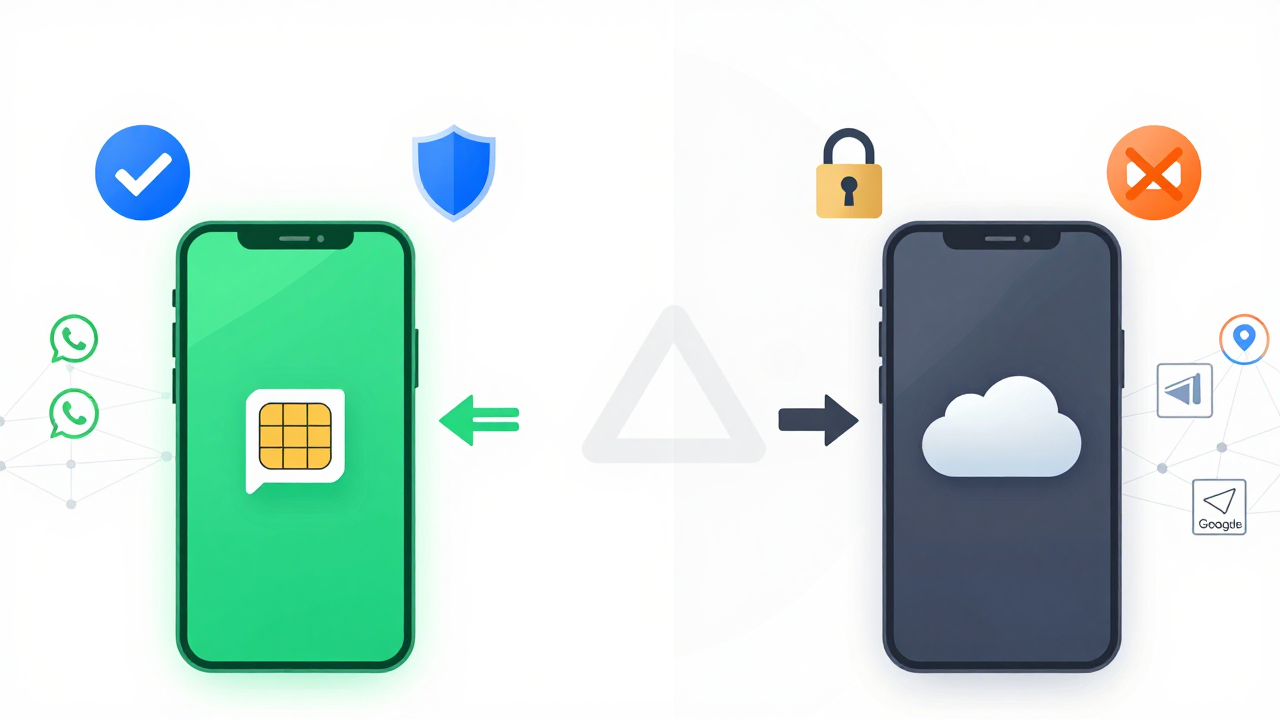
Receive-code platforms offer two types of numbers: physical SIM numbers (like IoT cards) and cloud-based virtual numbers (like VoIP). Physical SIMs support two-way communication; most VoIP numbers are receive-only. Industry data from 2026 shows about 65% of receive-code providers offer receive-only functionality, and of the remaining 35%, nearly half impose limits on message volume or content type.
The key to answering "can SMS receive-and-send numbers send texts" lies in number ownership. If a provider explicitly states "sending supported," they typically mean physical SIM numbers. If it's not stated, assume receive-only. Always test before committing—and keep in mind that marketing, financial, or sensitive content can get your number flagged and suspended by carriers within 24 hours.
Here's how the main number types compare in 2026:
| Number Type | Receive SMS | Send SMS | Typical Use Cases | Risk Level |
|---|---|---|---|---|
| Physical SIM (IoT card) | ✅ Yes | ✅ Yes (with limits) | Account registration, two-way verification | Medium |
| Cloud virtual number (VoIP) | ✅ Yes | ❌ Mostly no | Receiving codes, privacy protection | Low |
| Shared number (multi-user) | ✅ Yes | ❌ No | Temporary verification, testing | High (ban risk) |
From my experience, cross-border businesses in 2026 need to know that messaging platforms like WhatsApp and Telegram have tightened detection of SMS sent from virtual numbers. If your workflow depends on outbound texts—customer notifications, OTP re-verification—go with a two-way physical SIM solution rather than chasing the cheapest option.
Platform Rules and Risk Scenarios: What Actually Happens When You Send
Being able to send doesn't mean your message will land. In 2026, Google, Meta, and Amazon have all upgraded their detection models for virtual number registration and messaging behavior. Industry consensus: accounts that send SMS from receive-code numbers face a 2–3x higher ban rate within 30 days compared to those using real numbers. That's not a provider problem—it's the target platform's risk engine doing its job.
Two trends define platform risk controls in 2026: first, detection of batch registrations from the same number range has climbed above 85%; second, "send-then-unbind-immediately" behavior is now flagged as high-risk. If you plan to send business SMS from a receive-code number, keep it bound for at least 72 hours and complete identity verification where available.
Here's how different scenarios play out:
- Scenario 1: Registration verification—Receiving codes via SMS receive platforms works fine, with success rates above 90%. Outbound sending is rarely needed here.
- Scenario 2: Customer notifications—If your number supports sending, non-marketing notifications are possible, but keep the volume low (under 5 per hour is a safe benchmark).
- Scenario 3: OTP two-step verification—Some platforms require you to reply with a code. You must confirm your provider supports outbound SMS before relying on this.
- Scenario 4: Marketing blasts—Industry-wide, this is a bad idea in 2026. Ban rates are extremely high.
A cautionary tale: a cross-border studio used a budget receive-code platform to send promotional texts in early 2026. The number range got flagged, and all three linked Facebook Business Manager accounts were banned. The lesson: sending capability and account safety are two different things. Assess your risk tolerance before you commit.
How to Choose a Receive-Code Provider That Actually Supports Sending
If your answer to "can SMS receive-and-send numbers send texts" is "it needs to," here's how to filter providers. In 2026, industry retention rates hover between 50% and 70%—anything below that range is a red flag.
Five criteria matter most: ① explicit "sending supported" labeling; ② number coverage in your target markets; ③ API access for automated sending; ④ 24/7 customer support; ⑤ per-message billing instead of forced packages. In 2026, fewer than 15% of providers meet all five—so vet carefully.
| Provider (Example) | Sending Support | Number Coverage | API Access | Billing Model | Best For |
|---|---|---|---|---|---|
| Getfollow | ✅ Yes (physical SIM) | US, UK, HK, SG, etc. | ✅ Available | Per-message | Cross-border registration, OTP verification |
| Provider B (anonymous) | ❌ Receive-only | Southeast Asia focus | ❌ | Package-based | Temporary code receiving |
| Provider C (anonymous) | ✅ Yes (limited) | Multiple EU countries | ✅ Available | Monthly fee + per-message | Customer notifications, two-way verification |
Action plan: buy the smallest test pack (usually 10–20 messages) and run real-world tests on your target platforms—WhatsApp Business, Telegram, whatever you actually use. If your send success rate stays below 80% within 24 hours, switch providers immediately. Don't let a bad provider tank your operations.
Risk Warnings and Compliance Advice for 2026
Regulatory pressure is mounting. The EU Digital Services Act and China's Personal Information Protection Law both take a harder line on virtual number usage. Before you send anything, understand these risks:
- Legal exposure: Some jurisdictions prohibit using virtual numbers for commercial SMS entirely—violators face fines.
- Platform bans: As discussed, sending behavior can trigger risk controls on your target platform and take down linked accounts.
- Data security: Virtual numbers can be recycled or reassigned. Sensitive information sent from them carries a higher leak risk than real numbers.
Industry consensus: can SMS receive-and-send numbers send texts? Technically yes, commercially proceed with caution. In 2026, treat receive-code numbers as a supplementary verification tool, not your primary communication channel. If your business depends heavily on outbound SMS, keep a real-number backup plan to avoid single points of failure.
One last thing: read the terms of service on "permitted use" before signing up. Some providers—Getfollow included—explicitly prohibit marketing SMS in 2026 and will terminate service without refund if you violate the policy. Make your choice based on what your business actually needs.
Can SMS receive-and-send numbers actually send text messages? Why do some platforms say yes and others no?
It comes down to number type. Physical SIM numbers (IoT cards) support two-way communication; cloud virtual numbers (VoIP) are mostly receive-only. In 2026, about 65% of providers offer receive-only functionality, so always confirm before purchasing.
Will I get banned for sending texts from a receive-code number?
There's real risk. Major platforms have significantly improved detection of virtual number activity in 2026, with ban rates 2–3x higher than real numbers within 30 days. Keep sending frequency low, maintain the number binding for at least 72 hours, and avoid marketing content entirely.
Can receive-code platforms send SMS to international numbers?
Yes, but only if the provider supports international SMS routing. In 2026, most providers with sending capabilities cover major markets like the US, UK, and Southeast Asia. Success rates drop in parts of Africa and South America—test before you rely on it.
How do I pick a reliable receive-code provider?
Focus on five things: explicit sending support, number coverage in your target markets, API access, customer support responsiveness, and billing transparency. Getfollow, for example, offers per-message billing on physical SIM numbers in 2026—good for cross-border operations with sending needs—but note their ban on marketing use.
What does it cost to send SMS from a receive-code number?
In 2026, industry pricing ranges from $0.03 to $0.11 per message, depending on number origin, destination, and volume. Anything below that range should raise red flags about number quality or hidden fees.