How to Choose a TG SMS Verification Platform: What Cross-Border Pros Actually Look For
How to Choose a TG SMS Verification Platform: What Cross-Border Pros Actually Look For
If you run a cross-border e-commerce operation or manage multiple Telegram accounts, you already know how essential SMS verification platforms are. Whether you're registering accounts in bulk, warming them up, or recovering locked profiles, these services are part of your daily toolkit. But here's the thing—this industry has a lot of hidden depth. Every platform claims to be "stable with instant delivery," yet real-world performance tells a different story. Based on years of hands-on experience, let me walk you through what actually matters.
Why Your SMS Verification Keeps Failing: Understanding How the Industry Works
Most people jump straight to asking, "Which TG SMS verification site is the most reliable?"—but that's the wrong question to begin with. Success rates depend on far more than the platform itself. Your network environment, the registration scenario, and even the specific number segment all play a role. Industry consensus is clear: SMS verification is essentially a competition between number resources and channel quality, not who has the prettiest website.
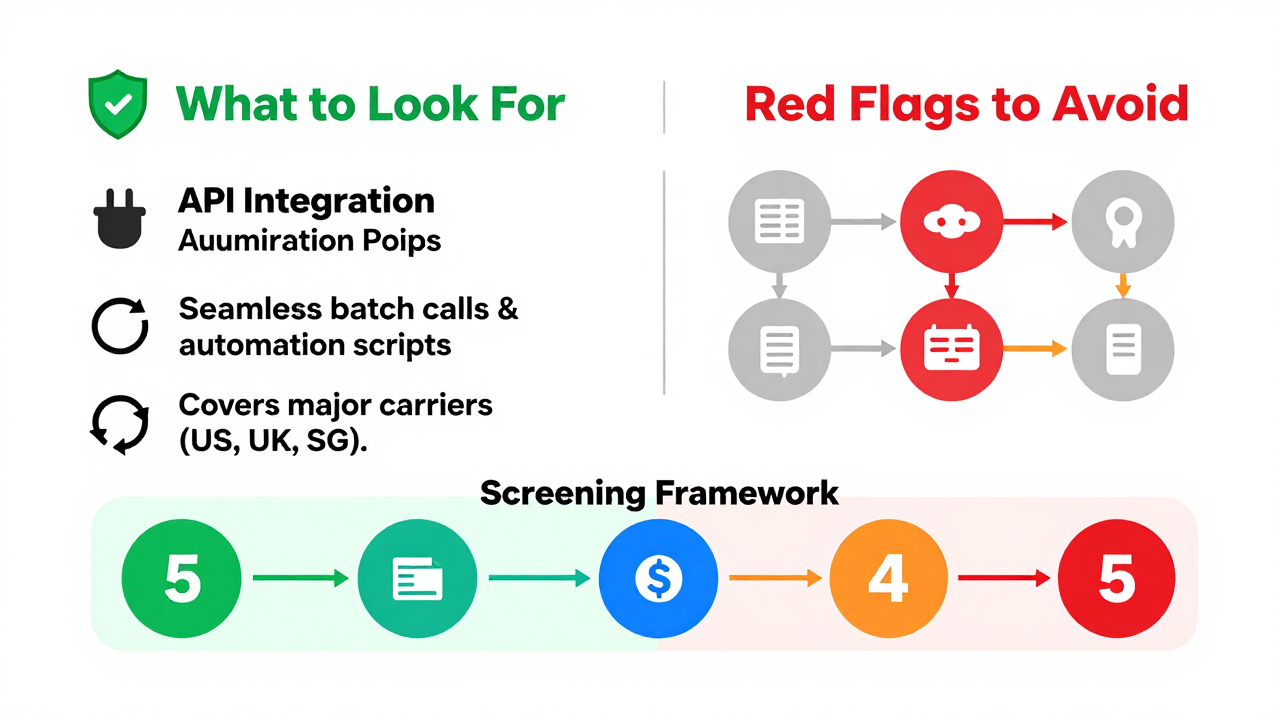
I've met plenty of cross-border operators juggling a dozen platform accounts, only to hit the same wall during batch registrations—numbers flagged by risk controls or verification codes that never arrive. When we dug deeper, they all missed one critical factor: whether the platform supports API integration. Manually copying and pasting codes is slow, error-prone, and simply doesn't scale. A TG SMS verification platform built for serious use should offer at least the following:
- API access for batch calls that connects seamlessly with your automation scripts
- A frequently refreshed number pool covering major carriers across key regions
- A clear refund policy for failed attempts—not just money disappearing into a black hole
- An intuitive dashboard showing real-time number status and success metrics
Platforms like Getfollow, which have built a solid reputation in the industry, operate on exactly this logic. They don't promise "100% success," but they're upfront about refund terms, number sourcing, and API documentation. That level of transparency is rare in a space where most providers keep things deliberately vague—and it's refreshing to see.
Evaluating Transactional Needs: Don't Let Low Prices Derail Your Judgment
When you're paying for a service, three things matter most: price, delivery speed, and after-sales support. But based on feedback from dozens of teams I've worked with, rock-bottom prices almost always signal high risk. Some platforms charge pennies per SMS, which sounds great—until you realize the numbers are recycled from blacklisted sources, heavily flagged by risk controls. You register one account, it gets banned, you register another, same result. The time you waste far outweighs whatever money you saved.
Here's a screening framework I've developed over the years. It won't work for everyone, but it'll filter out at least 80% of the unreliable TG SMS verification sites out there:
- Start with a small deposit to test the waters—never load up a large balance upfront
- Test verification speed with popular country numbers (US, UK, Singapore) as a benchmark
- Register a throwaway account and observe whether the number gets resold to other users
- Contact customer support and gauge response time and problem-solving ability—not just canned replies
A common pattern I see across successful cross-border teams: the platforms they stick with long-term aren't the loudest advertisers. They're the ones willing to have real conversations. Ask about whether a number segment uses VOIP, and a good provider will explain the difference clearly instead of dodging the question.
Industry Snapshot: Compliance Is Trending, but Chaos Still Rules
Let's be honest—the TG SMS verification space is still very much in its wild west phase. On one hand, platforms like Telegram are cracking down harder on virtual numbers as overseas compliance requirements tighten. On the other, some verification providers are cutting corners by using IoT cards or numbers that have already been flagged and reported, dragging down the entire industry's credibility.
From my observation, since late 2024, more providers have started emphasizing "verified number pools" and "clean IP binding." That's a positive shift—it shows the industry is beginning to self-regulate. But how do you tell the genuine ones apart? Simple: check whether they're willing to put their number sourcing practices in writing within the service agreement. If they can't even commit to that, move on.
One more piece of advice: don't just rely on the testimonials posted on a verification platform's own website. Search cross-border forums and Telegram groups for real user feedback. Many platforms have long lost credibility within tight-knit communities, yet they keep pulling in newcomers through SEO alone.
Core Metrics for Choosing a Reliable Provider
If you're currently comparing options, run each candidate through these criteria. This isn't an official standard—just practical wisdom from real-world usage:
- Success rate stability: Test the same country's numbers daily for a week and track the fluctuation range
- Number transparency: Can the platform clearly distinguish between physical SIMs, virtual numbers, and IoT cards?
- Support responsiveness: When codes are delayed, do they refund instantly or drag it out for days?
- Risk mitigation options: Does the provider offer backup channels or alternative solutions during outages?
Take Getfollow as an example—their API documentation and number categorization are noticeably more detailed. Each number comes with carrier information, which is genuinely useful for teams that need fine-grained control. They're not perfect by any means, and their pricing runs higher than some budget providers. But when you factor in the reduced headache and downtime, the overall value is hard to argue with.
One last thought: any TG SMS verification platform is ultimately just a tool. How well it works depends on how you use it. Don't put all your eggs in one basket—always keep one or two backup channels ready. That's the strategy that keeps a studio running smoothly over the long haul.
Frequently Asked Questions
What is the safest way to test a TG SMS verification platform?
Start with a minimal deposit—just enough to run a few test verifications. Use a secondary, non-critical account for testing and monitor success rates across different countries over several days. This approach limits your exposure while giving you real performance data.
Why do cheap SMS verification services fail so often?
Low-cost providers typically rely on recycled or blacklisted numbers that trigger immediate risk controls on platforms like Telegram. While the per-message price looks attractive, the resulting account bans and wasted time make them far more expensive in practice.
Can I use a TG SMS verification platform for bulk account registration?
Yes, but only if the platform offers API integration and maintains a regularly refreshed number pool. Manual verification simply doesn't scale for batch operations. Look for providers that document their API clearly and offer real-time status tracking.
What should I do if my verification code never arrives?
First, check whether the number was flagged or the request timed out. Most reputable platforms have automatic refund mechanisms for failed deliveries. If the platform hesitates to refund or offers vague explanations, that's a red flag—consider switching providers.