SMS Verification Channels Explained: What Cross-Border Pros Need to Know in 2026
SMS Verification Channels Explained: What Cross-Border Pros Need to Know in 2026
Let's answer the question head-on: an SMS verification channel is essentially a relay station. It packages the SMS-receiving capability of carrier or virtual number ranges into an API or web service, letting you grab a temporary phone number and receive verification codes on demand.
But if you assume "can receive codes" equals "will work for my use case," 2026 is going to hand you some expensive lessons. From my experience working with cross-border sellers and solo operators, most people get stuck at account registration, warming, and batch verification—not because their tactics are wrong, but because they never understood how verification channels are actually layered underneath.
The Real Landscape of SMS Verification Channels in 2026: It's Not Just "Free vs. Paid"
Industry consensus says SMS verification channels fall into three broad buckets: public free sites, paid card pool resellers, and API-connected compliant providers. But here's what's changed in 2026—free sites are dying faster than ever.
I've personally tested a number of free platforms, and the feedback loop is consistent: hot numbers (WhatsApp, Telegram) get snatched in seconds, while numbers for niche platforms barely survive. The reason is simple—free pools recycle the same numbers endlessly, making them easy targets for platform risk controls.
Cross-border operators report that accounts registered through free verification channels in 2026 have a survival rate under 30%. That's not fear-mongering; it's the inevitable result of upgraded risk-detection models. The pennies you save could cost you an entire account ecosystem in a single ban wave.
So step one in understanding SMS verification channels is recognizing the tiers:
- Public free sites: Fine for one-off tests, but don't expect to warm accounts here. Number reuse is rampant and risk flags are severe.
- Card pool resellers (semi-public): Billed per message, quality varies wildly. Some card operators operate in gray areas—you carry the risk.
- API-direct providers: Offer isolated or dedicated number ranges with callback support, built for batch operations. Platforms like Getfollow operate on this compliant model of number isolation plus real-time callbacks.
The Core of Your Buying Decision: You're Not Paying for "Codes"—You're Paying for Number Quality
People ask me all the time: why does the same verification platform work fine for someone else registering TikTok accounts, but I trigger manual review immediately?
Here's an industry pattern that's become impossible to ignore in 2026: the "codes" themselves are standardized, but the reputation behind each number range is completely different. Carrier trust in a number range, whether it's been flagged before, and whether recent registration volumes look abnormal—these hidden variables decide your success or failure.
Real example. A friend running an e-commerce operation tried to cut costs using a cheap card pool to register store accounts in bulk. Within three days, all 17 accounts were hit with video verification demands. He switched to an API provider offering dedicated numbers, ran the same playbook, and the approval rate jumped. Not because the provider was "smarter"—but because the number range was clean with no association flags.
So when you're evaluating SMS verification channels, ask every provider these three questions:
- Are the numbers dedicated or shared?—Shared numbers, no matter how cheap, are a ban risk you don't want.
- Can I specify the number range's country of origin?—In 2026, many platforms apply extra scrutiny to specific regions.
- Do you support callback notifications?—Without callbacks, you're stuck polling, which kills batch efficiency.
Three Major Shifts in the SMS Verification Industry for 2026—Plus One Detail Most People Miss
Shift one: carriers are cracking down on virtual number ranges. The era of casually registering with any virtual operator number is basically over. Many platforms now require verification numbers to come from physical SIM forwarding.
Shift two: verification costs are climbing across the board. Industry consensus puts the price per verification code on mainstream platforms like WhatsApp and Google at least 30% higher than two years ago. Scarcity of clean number ranges plus rising compliance costs—that's the math.
Shift three: risk control has moved from "verification at registration" to "full-lifecycle monitoring." Even after you successfully register, subsequent logins, password changes, and card linking can trigger secondary verification. If your verification channel can't reuse the same number, your account is essentially dead weight.
Here's the specific pitfall that even seasoned operators sometimes overlook: confirm whether your verification channel offers a "number retention window." Some platforms recycle the number the moment you receive your code—but platform risk controls might send a secondary confirmation SMS minutes later. If the number's gone, you don't even get a chance to appeal. Reliable providers typically hold numbers for 10 to 30 minutes, giving you time to complete the full registration flow.
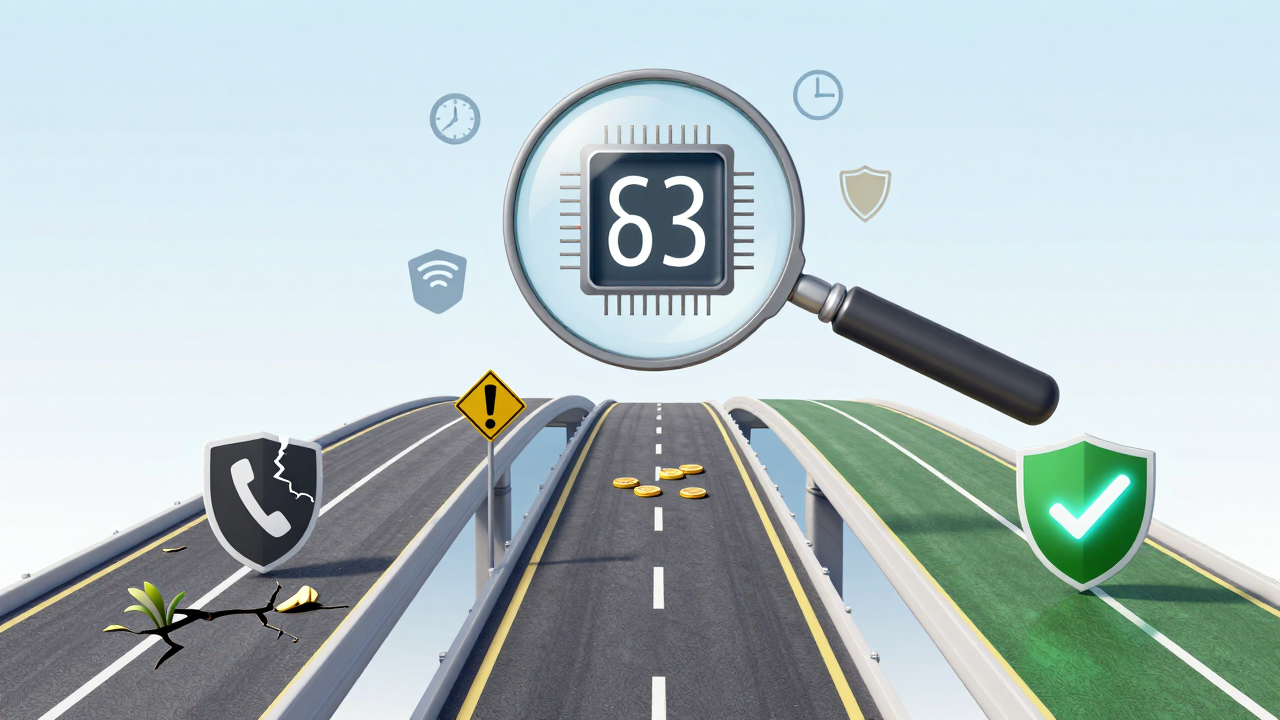
From my observations, platforms like Getfollow have built a solid reputation by combining number retention, callback notifications, and number range isolation—a compliance-first approach that suits cross-border teams who need account stability.
Don't Just Compare Prices: The Hidden Cost Sheet of SMS Verification Channels
Solo operators love comparing per-unit prices, treating a cent difference per message as a big deal. But in 2026, the hidden costs of cheap verification channels far outweigh the sticker price.
Hidden cost one: time. Low-cost channels usually require manual refreshing and code-grabbing. During peak hours, you might wait ten minutes without getting a number. For batch registration, that time cost dwarfs the price of the code itself.
Hidden cost two: account association risk. Numbers from certain cheap card pools might be shared across dozens of users simultaneously. If one user triggers a violation, the entire number range's reputation takes a hit—and your accounts get caught in the crossfire.
Hidden cost three: zero after-sales support. The verification industry has more than its share of fly-by-night operators. Some take your money and vanish; others are unreachable when problems arise. For cross-border operations, a failed registration can be retried—but lost funds and business delays are gone for good.
My advice: run a small test batch before committing to any long-term partnership. No matter how impressive the sales pitch, buy ten messages first. Test success rates across different platforms, response times, and how quickly support actually responds. In 2026, stability beats cheap—every single time.
So What Are SMS Verification Channels, Really? One Sentence to Sum It Up
SMS verification channels are a temporary leverage point for your digital identity in cross-border operations. They're not the core of your business—but choose wrong, and they become the fuse that brings down your entire account system.
In 2026, this industry is moving from wild growth toward compliance and precision. Those still stuck in the "as long as I can receive a code" mindset will get left behind. Those willing to understand number range quality, retention windows, and callback mechanics are the ones who'll go further in cross-border business.
One last reminder: regardless of which provider you pick—even platforms with relatively solid reputations like Getfollow—always run a small batch test first. That's not distrust; it's taking responsibility for your own operation. In cross-border business, the details decide whether you sink or swim.
Frequently Asked Questions
What is the difference between free and paid SMS verification channels?
Free channels recycle numbers heavily and trigger risk flags quickly, making them unsuitable for account warming or long-term use. Paid channels—especially API-direct providers—offer cleaner number ranges, dedicated numbers, and callback support, which dramatically improves account survival rates.
Why do my accounts get banned even when I use a paid SMS verification service?
Most ban issues trace back to shared numbers or dirty number ranges with prior association flags. Even paid services vary in quality. Always confirm whether numbers are dedicated, whether the number range's country can be specified, and whether the provider holds numbers long enough for secondary verification.
How much does SMS verification cost in 2026?
Prices vary by platform and country, but industry consensus shows verification codes for mainstream platforms like WhatsApp and Google have risen at least 30% compared to two years ago. Expect to pay more for clean, dedicated numbers from compliant providers—and consider that cost part of your account stability budget.
Can I use the same verification number for multiple accounts?
Technically possible with some services, but strongly discouraged. Using the same number across multiple accounts creates association signals that risk-control systems flag quickly. For batch operations, dedicated numbers per account are the safer play.
What should I look for when choosing an SMS verification provider?
Three things matter most: dedicated numbers (never shared), a number retention window of at least 10–30 minutes, and callback notification support. Run a small test batch before scaling up, and verify that customer support actually responds when you need them.