Online SMS Verification in 2026: The Hidden Infrastructure Every Cross-Border Business Needs to Master
Online SMS Verification in 2026: The Hidden Infrastructure Every Cross-Border Business Needs to Master
After years in the cross-border space, one thing stands out to me: most teams pour all their energy into product selection and ad spend while completely overlooking the basic communication layer. Then one day, mass account registrations get flagged by risk controls, or customers miss verification codes and orders fall through. That's when they realize online SMS verification can actually strangle the entire business.
The 2026 cross-border ecosystem has raised the bar on number and SMS compliance to a level that barely resembles what we saw just a few years ago. Let's skip the fluff and get straight into how the industry really operates, where the traps are, and how smart teams make their decisions.
Why SMS Verification Has Become a Make-or-Break Factor for Cross-Border Operations in 2026
Plenty of solo operators assume receiving SMS codes is trivial—just pick a platform, top up, and go. But from my observation, mainstream overseas platforms now run a triple-layer risk model: behavioral fingerprinting, number reputation scoring, and device environment analysis. A number segment flagged as high-risk can trigger manual review the moment you try to register.
Industry consensus is clear: the cleanliness of your number pool directly determines your account's initial standing. Register on an e-commerce platform with a recycled number that's been passed around, and the system will likely downgrade your trust score, which then suppresses your organic traffic support.
Here's a real case. A friend running a dropshipping store bought a batch of cheap numbers from a discount platform last year to register multiple social media accounts. Within a week, every account was linked and banned. When we dug into why, it turned out those number segments were already flagged as "bulk registration" territory—essentially a risk-control blacklist. Classic penny-wise, pound-foolish.
Online SMS Verification Goes Far Beyond Registration Codes
Most people think receiving SMS codes is all there is to it. But in real operations, the sending side matters just as much. Consider these scenarios:
- Order confirmations and shipping alerts for overseas customers
- OTP verification for marketing campaigns
- Two-factor authentication for suspicious login attempts
- Binding verification for WhatsApp, Telegram, and other messaging apps
In 2026, forward-thinking cross-border companies are investing in two-way messaging capabilities—they need to receive and send. Customer experience is directly tied to conversion rates. If your customers can't receive verification codes, or your outbound SMS channel gets blocked by carriers, all your upstream traffic generation work goes down the drain.
I've tested dozens of platforms firsthand, and a common pattern emerges: many providers only offer inbound SMS receiving. The quality of their outbound channels varies wildly. Some channels deliver only around 70% of messages, which is simply fatal in today's competitive environment.
The Current Landscape: Dozens of Platforms, Few Worth Your Time
Search for SMS verification services and you'll find at least dozens of platforms. But the ones that can genuinely support cross-border operations at scale? Far fewer. Industry observers note that number costs are climbing because overseas carriers are tightening real-name registration requirements.
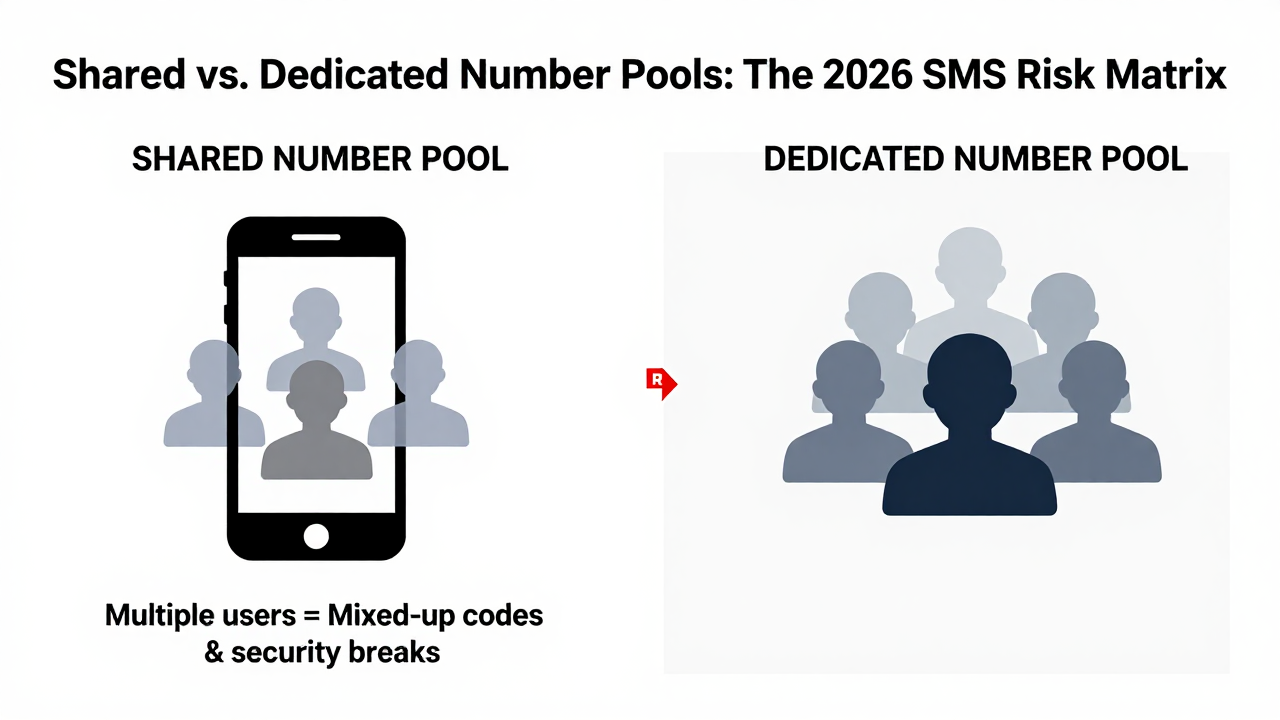
Many platforms advertise "unlimited SMS receiving" or "low-cost access," but behind the curtain, they're running shared number pools. That means while you're receiving a verification code, someone else might be using the same number simultaneously. At best, you get mixed-up codes. At worst, you're looking at account security breaches. This model is becoming increasingly unworkable in 2026.
Platforms like Getfollow have built a solid reputation in the industry by following a different playbook—dedicated number pool management, true two-way messaging, and channel optimization specifically tuned for cross-border use cases. I'm not here to pitch them; I'm just noting that this service model actually aligns with what cross-border businesses genuinely need.
How to Pick a Reliable Provider: Three Dimensions That Matter
Based on years of trial and error, here's the framework I use to evaluate SMS verification providers:
- Number resource independence: Ask directly whether they use shared or dedicated number pools. Dedicated pools cost more, but the security and stability are on a completely different level.
- Outbound delivery rates: Request their delivery rate data for the last three months. If they get evasive, there's probably something to hide.
- Support response time: Cross-border operations run on different time zones. If something breaks at 2 AM and nobody answers, the losses are yours to absorb.
Another trend gaining traction in 2026 is API integration. If your operation runs at scale, manually copying and pasting verification codes is a massive time sink. Platforms that support automated SMS receiving and auto-fill through APIs can save you significant labor costs.
Potential Risks and How to Mitigate Them
Every tool carries risk, and SMS verification services are no exception. The most common issues we see in 2026 include:
- Numbers flagged by risk controls: Leading to failed registrations or restricted accounts
- Low SMS delivery rates: Hurting customer experience and conversions
- Privacy leaks: Some smaller platforms resell number data on the side
My advice: don't put all your eggs in one basket. Keep two providers—one primary, one backup. And always test small before committing long-term. Load the minimum amount, test receiving speed and sending quality across different countries, and only scale up once you're satisfied. This is the safest approach, and it's the consensus among seasoned operators in the industry.
Online SMS verification might seem like a minor detail, but in the 2026 cross-border landscape, it's become the invisible infrastructure that determines whether your business can scale smoothly. I hope this guide helps you sidestep the common pitfalls and focus your energy on what actually moves the needle.
Frequently Asked Questions About Online SMS Verification
What is the difference between shared and dedicated number pools?
Shared number pools mean multiple users can access the same phone number for verification purposes. This is cheaper but risky—you might receive someone else's codes, and the number's reputation gets diluted. Dedicated pools assign numbers exclusively to you, which dramatically improves deliverability and reduces the chance of flags from risk-control systems.
Why do my SMS verification codes sometimes arrive late or not at all?
Delivery delays usually come down to three factors: the sending platform's channel quality, the receiving number's reputation score, and carrier-level filtering. If a number segment has been overused for bulk registrations, carriers may throttle or block messages to it. Testing small batches across different countries before scaling is the best way to identify weak spots early.
Can I use the same SMS verification service for both receiving and sending messages?
Not all providers offer both directions. Many specialize only in inbound SMS receiving. For cross-border operations, you want a platform that supports two-way messaging, because outbound delivery rates directly impact customer experience—order notifications, OTPs, and security alerts all depend on reliable sending.
How do I know if a number has been flagged by platform risk controls?
You won't always know upfront, but warning signs include repeated registration failures, accounts getting suspended shortly after creation, or verification codes that never arrive. The best prevention is choosing a provider with dedicated number pools and a track record of maintaining clean number segments for major platforms.
Is it worth paying more for a premium SMS verification service?
In most cases, yes. The cost difference is usually small compared to what you lose when accounts get banned or customers abandon purchases due to failed verifications. Premium services typically offer dedicated numbers, higher delivery rates, API access, and responsive support—all of which directly protect your revenue.