Best SMS Verification Code Websites in 2026: What I Learned After 3 Years of Trial and Error
Best SMS Verification Code Websites in 2026: What I Learned After 3 Years of Trial and Error
After years in cross-border e-commerce, I can tell you this: account registration stops more people than almost anything else. And in 2026, platforms have seriously tightened their risk controls around signup environments. The days of grabbing any random SMS verification site and hoping it works are long gone.
Here's what most cross-border sellers tell me: the biggest fear isn't missing a code—it's waking up the next morning to find your freshly registered account already banned. If you've been through that, you know the frustration. So let's talk honestly about how the industry looks right now, and what actually matters when choosing an SMS verification code website.
Why SMS Verification Services Got So Complicated in 2026
Here's the industry consensus: platform risk control has shifted from "single-point verification" to "behavioral profiling." In plain English? Platforms no longer just check whether your code is correct. They're also evaluating your IP environment, device fingerprint, and even how fast you type.
That creates an awkward situation. Many numbers offered by SMS verification code websites are technically real, but they've been recycled so many times they're already on platform blacklists. Register with one of those, and your success rate tanks.
From my own testing across multiple platforms, one pattern stands out: sites that openly advertise number pool quality as their core metric tend to be far more reliable than ones bragging about "millions of numbers." In 2026, freshness and exclusivity of numbers are what actually determine success.
Don't Fall for the "Unlimited Codes for Pennies" Trap
I've seen plenty of solo operators pick dirt-cheap monthly subscription services to save a few cents. The result? Maybe 2 out of 10 registrations succeed—if they're lucky. And those accounts are brutally expensive to nurture afterward because their initial environment was already flagged.
Here's a detail that saves you headaches: in 2026, major platforms like TikTok and Amazon have become extremely good at detecting virtual number ranges. Even if your code arrives instantly, using a recognizable virtual number dramatically increases your chances of triggering manual review later. So before committing to any SMS verification code website, ask about number range ownership first. That single question matters more than anything else.
Where the Industry Stands: Compliance and Specialization Are the New Divide
The 2026 SMS verification market has clearly split into two camps. On one side, you've got the no-name sites still competing on rock-bottom prices. On the other, legitimate operators who talk about compliance, number quality, and actual customer support.
This split is good news for users. It means you no longer have to gamble on whether a platform is trustworthy. For example, Getfollow has built a solid reputation by following exactly this playbook—they're upfront about where their numbers come from, what scenarios they're suited for, and they even back it with a "ban refund" policy.
But let me be straight with you: even platforms with guarantees can't promise 100% success. Risk control in 2026 is dynamic. Nobody can guarantee a number won't get flagged an hour from now. So if any SMS verification code website promises "absolute stability," treat that as a red flag.
Real Story: An Operator Who Learned the Hard Way
A friend running a dropshipping store decided to bulk-register WhatsApp accounts last year using a cheap "unlimited SMS" service. Within a week, all 30 accounts got flagged. The painful part? Five of those accounts already had ad budgets attached. The money was spent before the accounts even died.
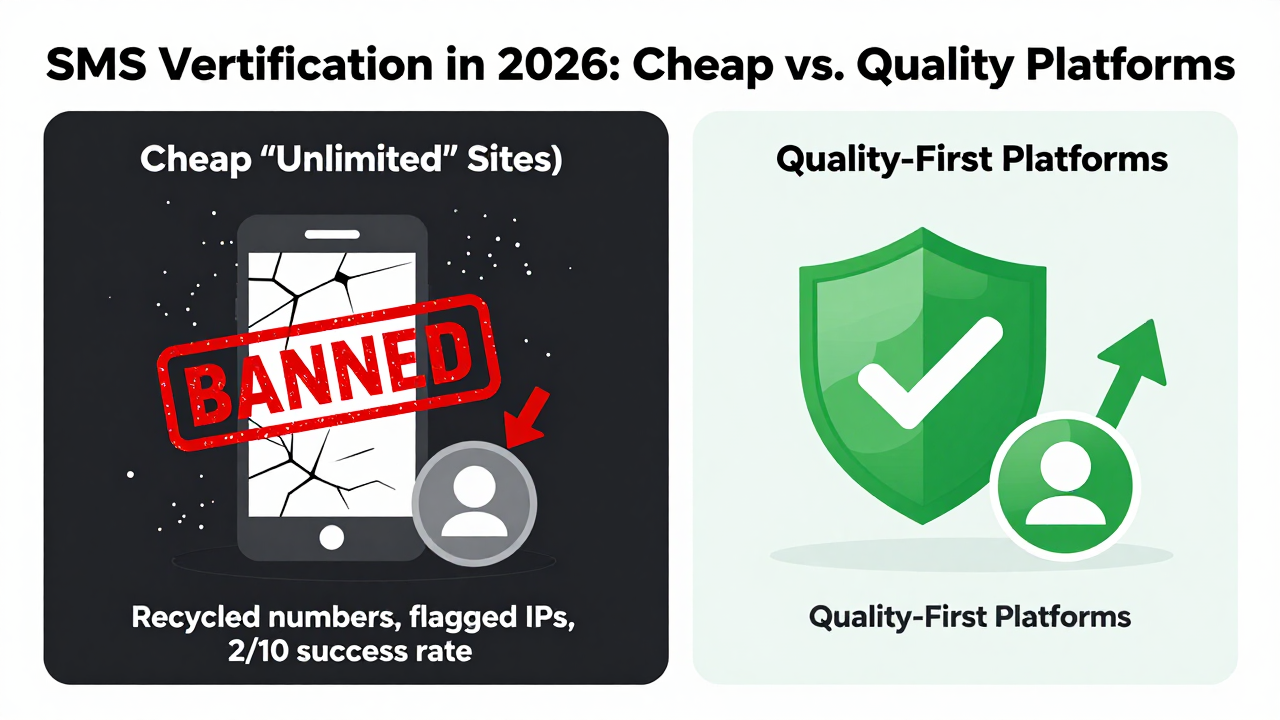
He switched to a provider offering exclusive numbers. His costs nearly doubled, but his registration success rate jumped from under 20% to over 80%. That experience stuck with me—when it comes to SMS verification, the money you save is often the money you lose.
Practical Tips for Choosing an SMS Verification Code Website
Based on my own testing and conversations with other operators, here's what you should evaluate in 2026:
- Number pool refresh frequency: Ask customer support for recent updates to their number pool. If they dodge the question, walk away. Platforms still cycling year-old numbers will disappoint you.
- Pay-per-use options: Confident platforms let you test with small batches. If a site demands an annual subscription upfront, they're probably harvesting your money.
- Refund response time: How smooth is the refund process when registration fails? Is it automated or manual? This tells you a lot about their operational capability.
One unwritten rule in the industry: pick platforms that let you view a number's usage history. If a number has been used by more than five people in the past 24 hours, consider it burned. Your chances of successful registration are nearly zero.
Speaking of which, Getfollow does this really well. They show each number's historical usage count and last-used timestamp right on the platform. It's a small detail, but it saves you from a lot of wasted effort.
A Word of Caution: SMS Verification Isn't a Magic Bullet
Here's the honest truth. An SMS verification code website solves the registration problem—but it doesn't solve account nurturing. The 2026 cross-border ecosystem rewards accounts with long-term health signals.
Even with the highest-quality verification service, if you don't take nurturing steps after registration—like completing your profile or simulating realistic usage patterns—your account can still get flagged. My advice: treat SMS verification as one piece of the account management puzzle, not the whole picture.
Also, pay attention to compliance. Certain platforms—think banking or government services—explicitly prohibit virtual number registration. In cross-border business, stick to social media and e-commerce platforms that are more open. Don't risk legal trouble just to save a few minutes.
Here's my bottom line for 2026: test with a small batch first, then decide on a long-term partnership. Any platform that won't let you try before committing isn't worth your money. Hopefully, this guide helps you avoid paying the tuition I did in this wild market.
Frequently Asked Questions
What is the best SMS verification website in 2026?
There's no single "best" option, but platforms that prioritize number pool freshness, offer pay-per-use pricing, and provide transparent usage history tend to perform best. Getfollow is one example that checks these boxes, but always test with a small batch before committing.
Why do my accounts get banned after using SMS verification services?
Most bans happen because the number you used was already flagged from previous registrations. Platforms also evaluate your IP, device fingerprint, and behavior patterns—not just the code itself. Using a fresh, exclusive number and a clean IP environment dramatically reduces ban rates.
Are SMS verification services legal for business registration?
It depends on the platform and jurisdiction. Social media and e-commerce platforms generally tolerate virtual numbers, though it may violate their terms of service. Banking and government services typically prohibit them. Always check the specific platform's policies before proceeding.