App Verification SMS Platforms: The Hidden Infrastructure Cross-Border Sellers Can't Ignore
App Verification SMS Platforms: The Hidden Infrastructure Cross-Border Sellers Can't Ignore
Let me paint a real scenario. Last month, a friend running a cross-border e-commerce store vented to me about losing a freshly registered social media account—two product photos posted, and boom, banned. His first instinct was to blame the content. After digging around, the real culprit turned out to be the SMS verification number he'd used during registration. It was a "burned" number that had been flagged multiple times before.
This story plays out more often than you'd think. Plenty of cross-border operators treat app verification SMS platforms as nothing more than a "code-buying tool." But in reality, these platforms are the invisible gateway to the overseas internet ecosystem. Pick the wrong door, and everything you do afterward is wasted effort.
What SMS Verification Platforms Really Sell: Account Survival, Not Just Codes
There's an industry-wide understanding that rarely gets said out loud: the true value of a verification code platform isn't measured by "how many codes can I receive," but by "will my account survive past week one with this number?"
From my observations, mainstream apps have upgraded their risk-control models multiple times since 2025. The old playbook of mass-registering with bulk virtual numbers is dying fast. Cross-border teams report that accounts registered with low-quality numbers see retention rates hovering between 30% and 50%—and that number keeps sliding.
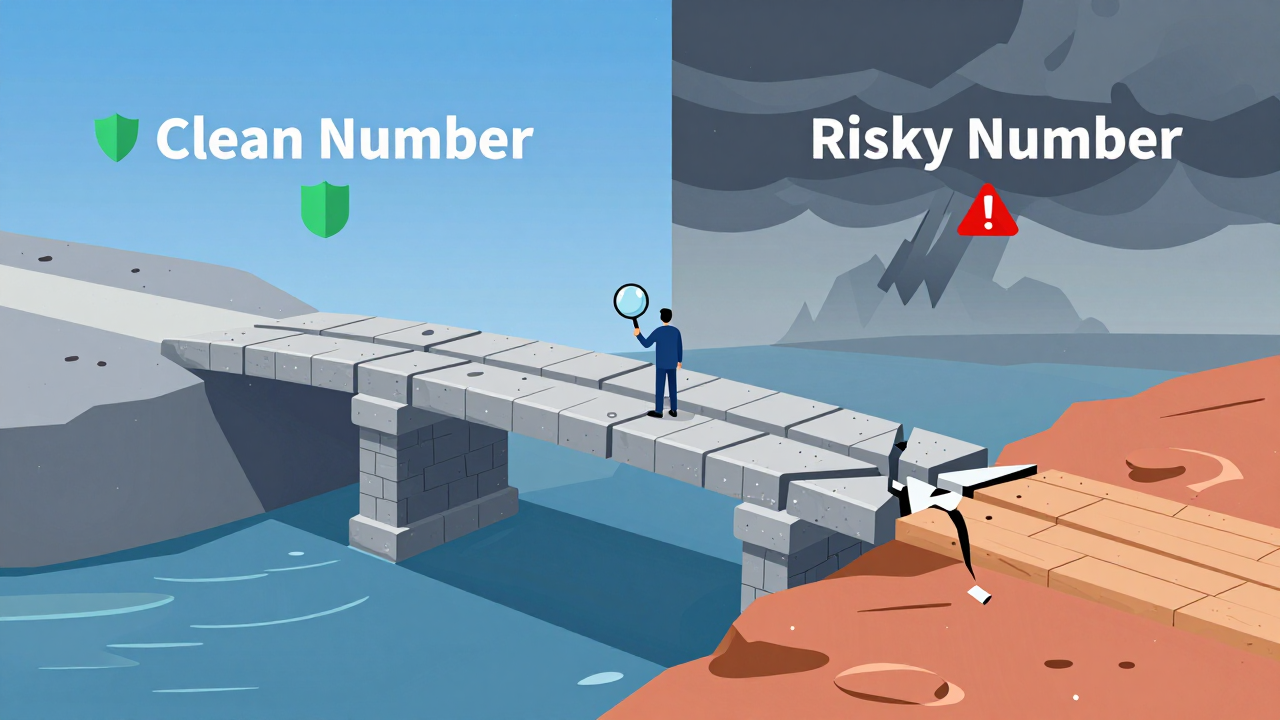
So what separates a "clean" number from a risky one? Here's a pro tip: experienced operators check whether the platform offers physical SIM card pools or carrier-grade channels. These numbers come from real IoT cards or physical overseas SIMs, making them significantly harder for risk-control algorithms to flag. Accounts registered this way also start with higher initial trust scores.
- Physical SIM pools: Numbers tied to actual SIM cards. Higher cost, but rock-solid stability—ideal for long-term account operations.
- Virtual number pools: Cheap and easy, but most apps now detect virtual number ranges instantly, triggering immediate secondary verification.
- Cloud SIM platforms: The middle ground—quality depends entirely on how well the provider manages its carrier sources.
The Current Landscape: Surging Demand, Wildly Inconsistent Quality
The cross-border boom has fueled explosive growth in verification code platforms. But with that growth comes a serious quality problem. Some platforms lure users in with free codes, then monetize by selling user data—a risk far more damaging than a simple account ban.
How do you spot these dangerous platforms? Here's a simple test: register a throwaway account and watch what the platform asks for. A legitimate app verification SMS service only needs you to pick a number and receive a code. The entire process should involve zero requests for personal information like email passwords or backup phone numbers. If a platform asks for more, walk away.
There's also an unwritten rule in this industry: platforms that plan to stick around will proactively warn you when a number might not be suitable for registering sensitive apps. That's not them being difficult—it's a sign of strong risk-control capability. They know which apps have aggressive fraud detection and which number ranges are likely to trigger restrictions.
Right now, platforms like Getfollow have built a solid reputation by following exactly this playbook—clearly labeling number usage, never touching user privacy data, and charging per use rather than pushing unlimited monthly subscriptions. It's a pragmatic model that makes business sense long-term.
Three Questions to Answer Before You Commit to Any Platform
If you're evaluating whether to integrate a particular SMS verification platform, don't start with pricing. Ask yourself these three questions first. Once the answers are clear, the decision becomes obvious.
Question 1: Are you "fostering" these accounts or "burning" them? If you only need one-time verification—say, registering a community account to read content—low-cost codes are fine. But if you're building long-term assets like social media account matrices or e-commerce storefronts, you need a platform that offers a number retention period. This means the number won't be reassigned to someone else for a set window after you use it.
Question 2: Does the platform have a "failure compensation" policy? A frustratingly common pattern: you pay, the code never arrives, or the app says "number already registered," and customer support goes silent. Reputable platforms have clear failure-handling procedures—either refunding credits or issuing a replacement number. Get this clarified in writing before you commit.
Question 3: Is pay-per-use available instead of forced subscriptions? Many cross-border teams report that monthly packages look cost-effective but end up wasting credits and mixing in low-quality number ranges. Pay-per-use pricing means every code is purchased fresh for immediate use. The platform has zero incentive to hand you a compromised number because they're not trying to dump inventory.
Case Study: A Real-Life "Cheap Trap" That Backfired
Consider a team running overseas survey research. Trying to trim costs, they picked the cheapest verification platform they could find. When registering for a well-known survey app, they failed to receive verification codes three times in a row. Customer support blamed "carrier delays." The real issue? The platform was using a shared number pool, and the same number had been used repeatedly within a short window—the app's risk-control system had blacklisted it entirely.
Two lessons come out of this. First, rock-bottom pricing almost always means compromised number sources. Second, the time wasted on failed verifications costs far more than the few cents you saved. The team eventually switched to a pay-per-use platform with transparent number sourcing, and the problem disappeared completely.
One more thing most cross-border operators overlook: your choice of verification platform should align with your target market's compliance landscape. If you're serving the US or European markets, the number's country code should match your business region. For Southeast Asian markets, pay attention to how local carriers treat virtual numbers. Platform providers generally understand these nuances better than users—but only if you ask.
Final Thoughts: The Gap Between "It Works" and "It Works Well" Is Risk Awareness
At its core, an app verification SMS platform is a trust intermediary. You trust it to provide clean numbers; it trusts you to use them responsibly. That two-way trust requires basic industry integrity from both sides.
My advice as someone who's watched this industry evolve: regardless of which platform you're considering—even ones with solid reputations like Getfollow—start with small-scale testing before committing to long-term partnerships. Register a few low-stakes accounts, track the success rate, measure how fast codes arrive, and monitor what happens to those accounts afterward. Data doesn't lie, and test results beat any marketing claim.
In cross-border business, details determine outcomes. The choice of a verification code platform might seem trivial, but it can make or break your entire account portfolio. Hopefully, this breakdown helps you sidestep one more pitfall on the road ahead.
Frequently Asked Questions
What is an SMS verification platform for app registration?
It's a service that provides temporary phone numbers to receive verification codes during app registration. These platforms are essential for cross-border operators who need to create accounts on overseas platforms without using their personal numbers.
How much does it cost to receive a verification code?
Pricing varies widely depending on number quality and the target platform. Low-quality virtual numbers can cost just a few cents, while premium physical SIM numbers for sensitive apps may cost several dollars per use. Pay-per-use models typically range from $0.05 to $2 per code.
Are SMS verification platforms legal?
The platforms themselves operate in a legal gray area in most jurisdictions. They're legitimate tools for privacy protection and business operations, but using them to violate a platform's terms of service carries risks. Always check both your local regulations and the target platform's policies.
Why do some verification codes fail to arrive?
Common reasons include: the number was previously flagged by the target app's risk-control system, the number pool is shared and overused, or the app specifically blocks virtual number ranges. High-quality platforms with physical SIM pools experience far fewer delivery failures.
Can I use the same number for multiple app registrations?
Technically yes, but it's not recommended. Most apps track number usage across their ecosystem. A number used for multiple registrations—especially across different services—raises red flags and increases the likelihood of immediate verification or account suspension.