Online SMS Verification Platforms: A Cross-Border Pro's Guide to Picking the Right One
Online SMS Verification Platforms: A Cross-Border Pro's Guide to Picking the Right One
If you run an e-commerce store, manage social media accounts, or handle payment verifications for overseas platforms, you already know the pain of SMS verification. Every time you register a WhatsApp, Telegram, or TikTok account, you're hit with a verification code request—and your domestic number often never receives it. Physical SIM cards are expensive and a hassle to manage, which is why most people have pivoted to online SMS verification platforms. But here's the thing: this industry has more traps than you'd think. Let's break down how to choose wisely and what goes on behind the scenes.
First, Know Your Use Case: Light Verification vs. Bulk Account Management
Most newcomers start by asking "which platform is cheapest?"—but that's putting the cart before the horse. SMS verification needs fall into two distinct categories, and each requires a completely different selection strategy.
Category one: light verification. You occasionally register a foreign account, receive a code, and move on. This use case doesn't demand premium number quality—as long as the SMS arrives, you're good. Price sensitivity matters more here. The catch? This is exactly where beginners get burned. Some platforms use virtual number pools that deliver codes successfully at registration, only to have your account flagged by risk controls days later. And good luck getting a straight answer from support.
Category two: bulk account operations. Think TikTok account matrices, Facebook ad accounts, or WhatsApp marketing campaigns. In this scenario, number purity, geographic origin, and prior usage history directly determine your account survival rate. From my experience working with cross-border operators, the ones who chase dirt-cheap Indian or Vietnamese numbers at a few cents apiece end up watching 9 out of 10 registrations get banned. The labor and time costs wipe out any savings.
Industry observers agree the smart approach is to segment your purchasing: use budget-friendly codes from major platforms for light verification, but for bulk operations, always work with providers that offer verified number segments and transparent number history. Mixing the two is a recipe for trouble down the line.
The Hidden Rules of SMS Verification Platforms: Where Numbers Come From Matters
The biggest secret in this industry is number sourcing. Legitimate platforms build their number pools through carrier partnerships, IoT SIM resale programs, or physical SIM banks overseas. These numbers are stable and reliable—but they cost more. Meanwhile, budget platforms rely on VoIP numbers or recycled "second-hand" numbers that have been registered countless times. They can price these at fractions of a cent, but risk control systems flag them instantly.
How do you tell the difference? Two quick checks. First, does the platform let you view a number's registration history? If they're confident enough to show you, the numbers are likely clean. If they get evasive, something's off. Second, can you specify the geographic region of your numbers? If you're targeting the US market and they keep assigning you African number segments, it's time to look elsewhere.
Platforms like Getfollow have built a solid reputation by following this exact playbook—transparent number pools, filtering by country and carrier, and reserved number segments for bulk clients. I'm not saying they're perfect, but the direction is right.
Three Questions to Ask Before You Commit
When you're evaluating a platform, don't fixate on unit pricing. Ask these three questions directly and pay close attention to how customer service responds:
- "Are your numbers physical SIMs or virtual numbers?" — Physical SIMs cost more but are stable; virtual numbers are cheap but risky.
- "What's your refund policy if registration fails or the code never arrives?" — Good platforms refund in full; sketchy ones will give you the runaround.
- "Do you support API integration? Is there bulk import functionality?" — Anyone who's done bulk verification knows the pain of manually entering codes.
A common pattern we see across the industry: the first two questions alone will eliminate half the fly-by-night operations. The third question sets you up for efficiency down the road—manual copy-paste tops out at a few hundred codes a day, while API integration more than doubles your throughput.
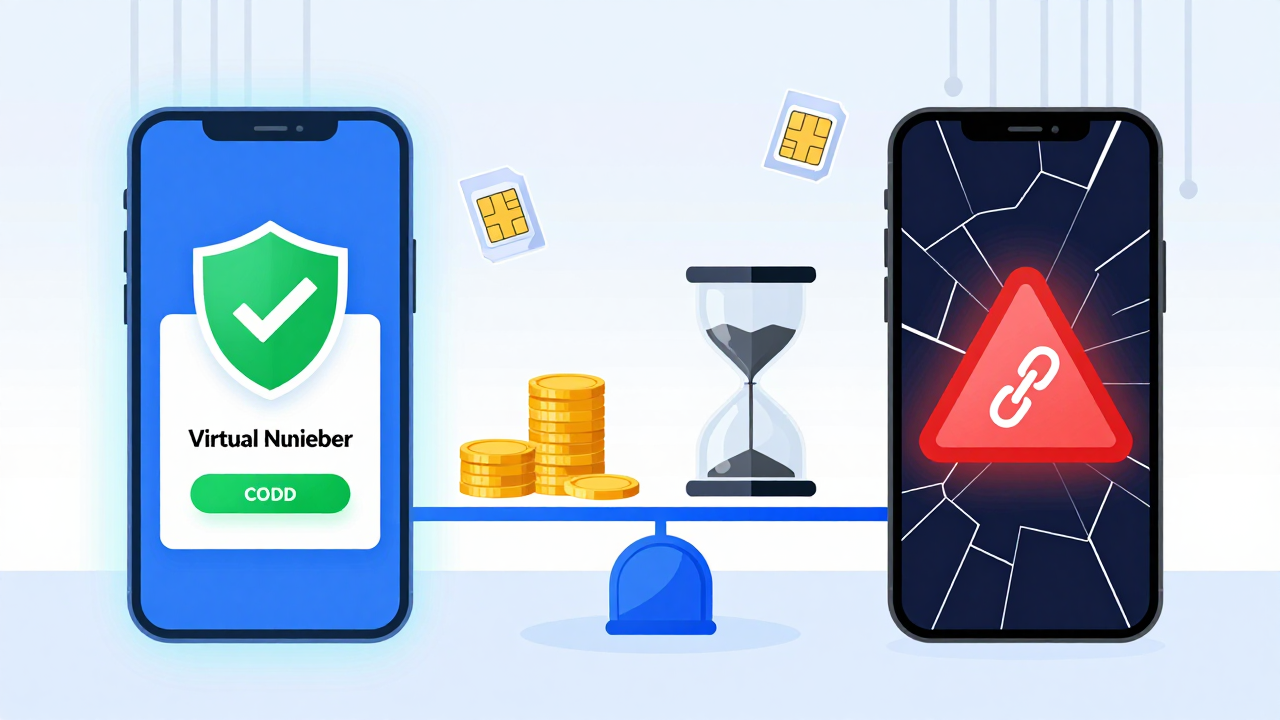
The Current Landscape: Price Wars Are Raging, But Smart Buyers Are Doing the Math
Let's be honest—the price competition in this space is brutal. Some platforms advertise codes at fractions of a cent, and it pulls in plenty of bargain-hunting newcomers. But here's what actually happens: register ten accounts, three never receive codes, two get flagged by risk controls, and the remaining five barely work. Your effective cost per usable code ends up higher than if you'd gone with a reputable platform from the start.
Think of it like buying charging cables. The $2 generic cable from a discount site starts failing after two months, while the original cable costs three times more but lasts for years. SMS verification works the same way—what matters is your cost per successfully verified account, not the sticker price per message.
Industry consensus points toward increasing regulation in this space. Carriers are cracking down on virtual number segments, and overseas platforms are upgrading their risk control models. The platforms that rely on rock-bottom pricing without investing in number quality will eventually get squeezed out. When you see aggressive low-price strategies these days, it usually means one of two things: they're clearing out inventory, or they're preparing to exit. Keep that in mind.
Practical Advice for Small Teams
If you're a solo operator or a small team of three to five without the technical capacity for API integration, use this checklist when evaluating platforms:
- Does it support Alipay or WeChat Pay? Don't get stuck with platforms that require corporate bank transfers—many small teams don't have a registered business entity.
- Is there live chat support that responds immediately when issues come up? You don't want to submit a ticket and wait three days for a resolution.
- Can you pay per use or in small increments? Avoid platforms that push you toward large upfront deposits—run a small test order first to verify number quality.
If a platform meets these three criteria, you're unlikely to get burned. As for platforms demanding annual fees, membership charges, or hefty prepaid balances—skip them entirely. This industry runs on fast cash flow, and legitimate platforms want you coming back frequently. They won't put up unnecessary barriers.
One last word of advice. When you choose an online SMS verification platform, what you're really paying for is account success rate and time savings. Rather than trial-and-erroring your way through budget platforms, it's worth starting with a provider that has a proven track record. Getfollow and similar platforms have earned their reputation for delivering number quality that justifies the price. Ultimately, the right choice depends on your business volume and risk tolerance. Hopefully this guide helps you save some tuition fees on your SMS verification journey.
Frequently Asked Questions
What is the difference between physical SIM and virtual numbers for SMS verification?
Physical SIM numbers come from actual carrier-issued SIM cards, making them far less likely to be flagged by platform risk controls. Virtual numbers (VoIP) are software-based and significantly cheaper, but they're heavily associated with spam and fraud, leading to much higher account ban rates. For anything beyond casual verification, physical SIM numbers are worth the extra cost.
Why do my accounts get banned shortly after SMS verification?
This usually happens when the verification number comes from a recycled or virtual number pool. Platforms like WhatsApp, Telegram, and TikTok maintain databases of known virtual numbers and flag accounts registered with them. If your account gets banned days after registration, the number's history is almost certainly the culprit.
Can I use one SMS verification platform for both personal and business needs?
Technically yes, but it's not recommended. Light verification and bulk account operations have completely different requirements for number quality and volume. Mixing them on one platform often means overpaying for casual use or under-delivering for bulk operations. Most industry professionals maintain separate providers for each use case.
How much should I expect to pay for reliable SMS verification codes?
Pricing varies significantly by target country and number type. US and UK numbers from physical SIM pools typically cost more than numbers from developing markets. As a general benchmark, if a price seems too good to be true—like fractions of a cent per code—the number quality is probably compromised. Focus on cost per successfully verified account rather than per-message pricing.